
Last updated November 23, 2026
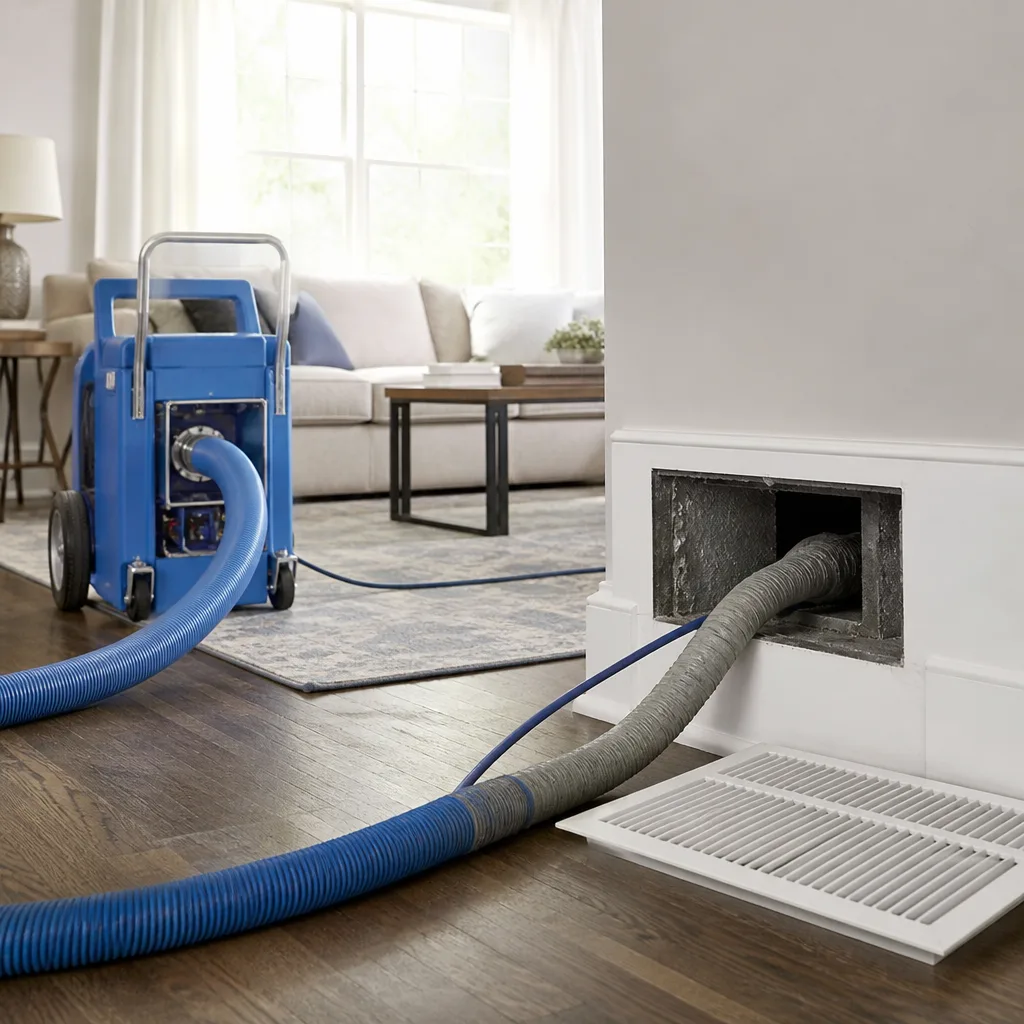 Whole-home duct cleaning
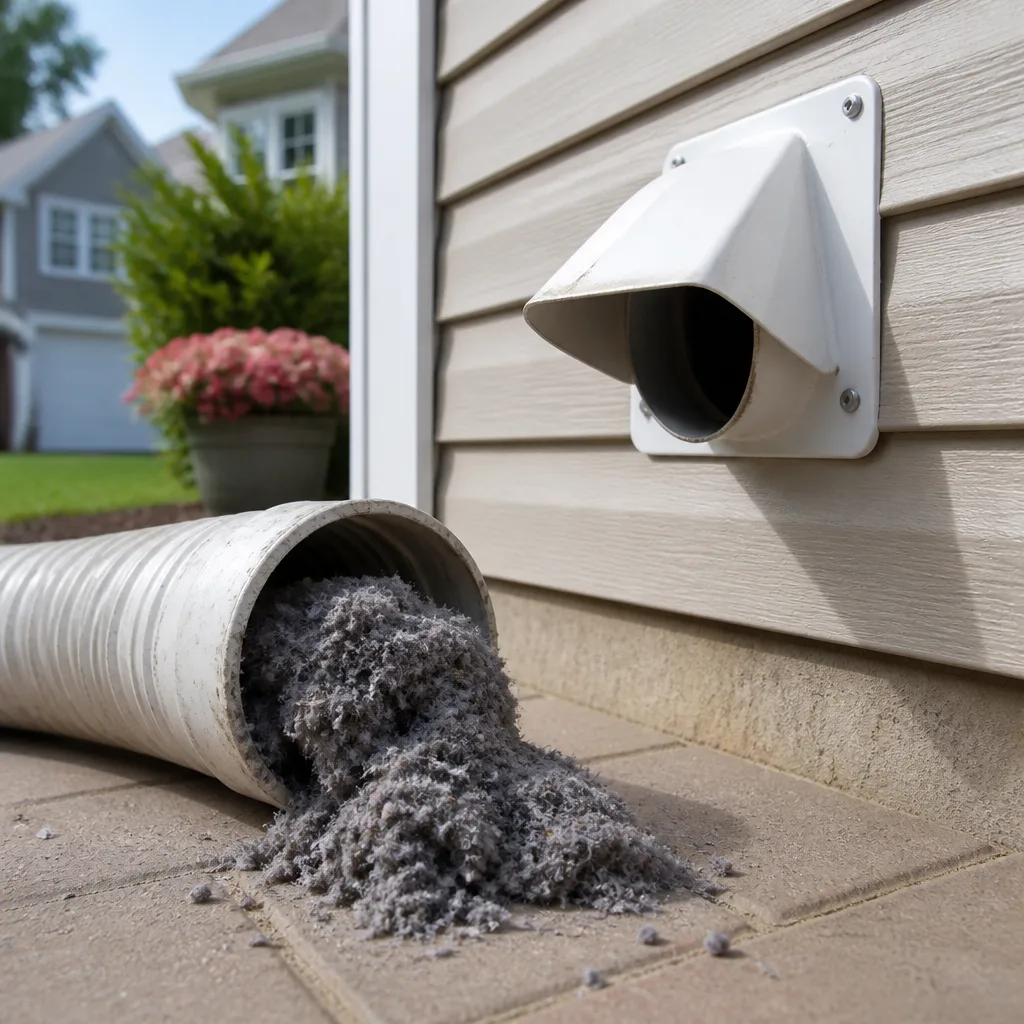 Dryer vent cleaning
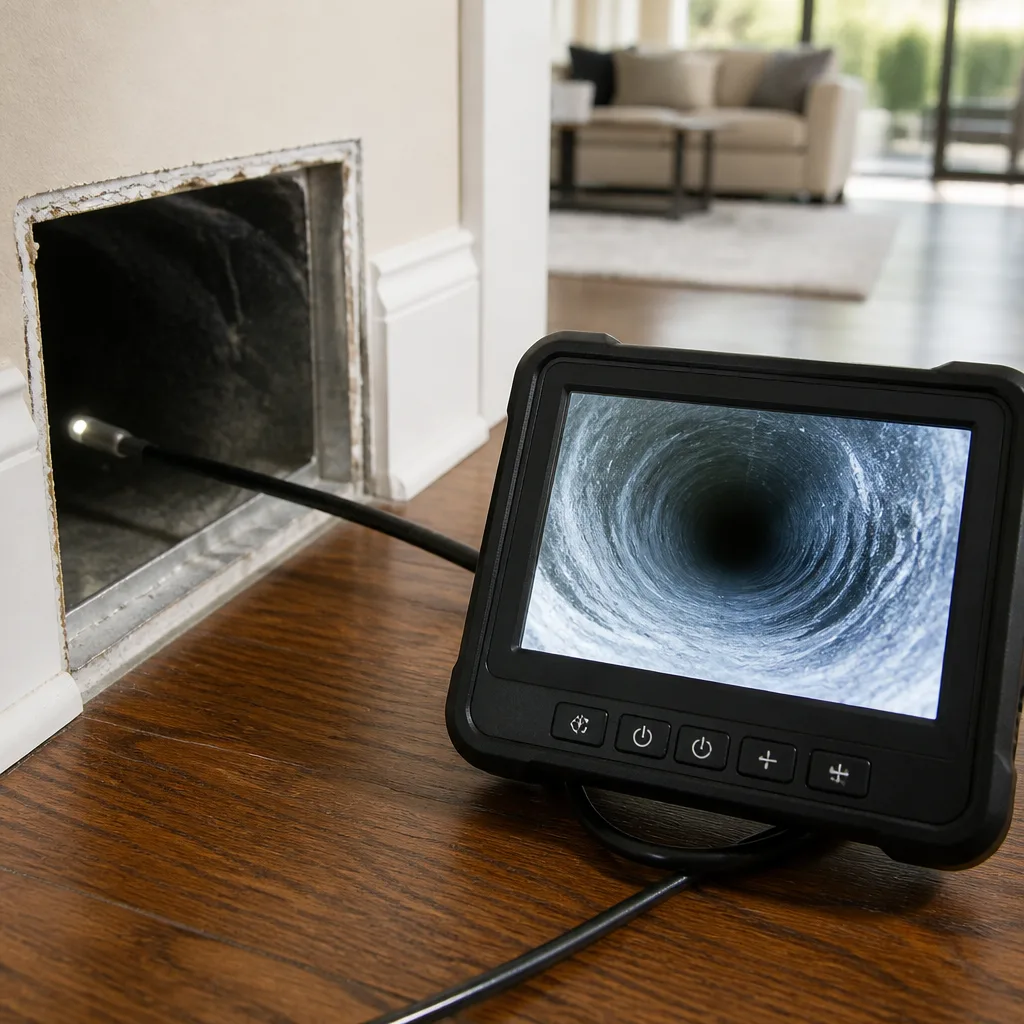 Camera inspection
 Sanitizing & deodorizing
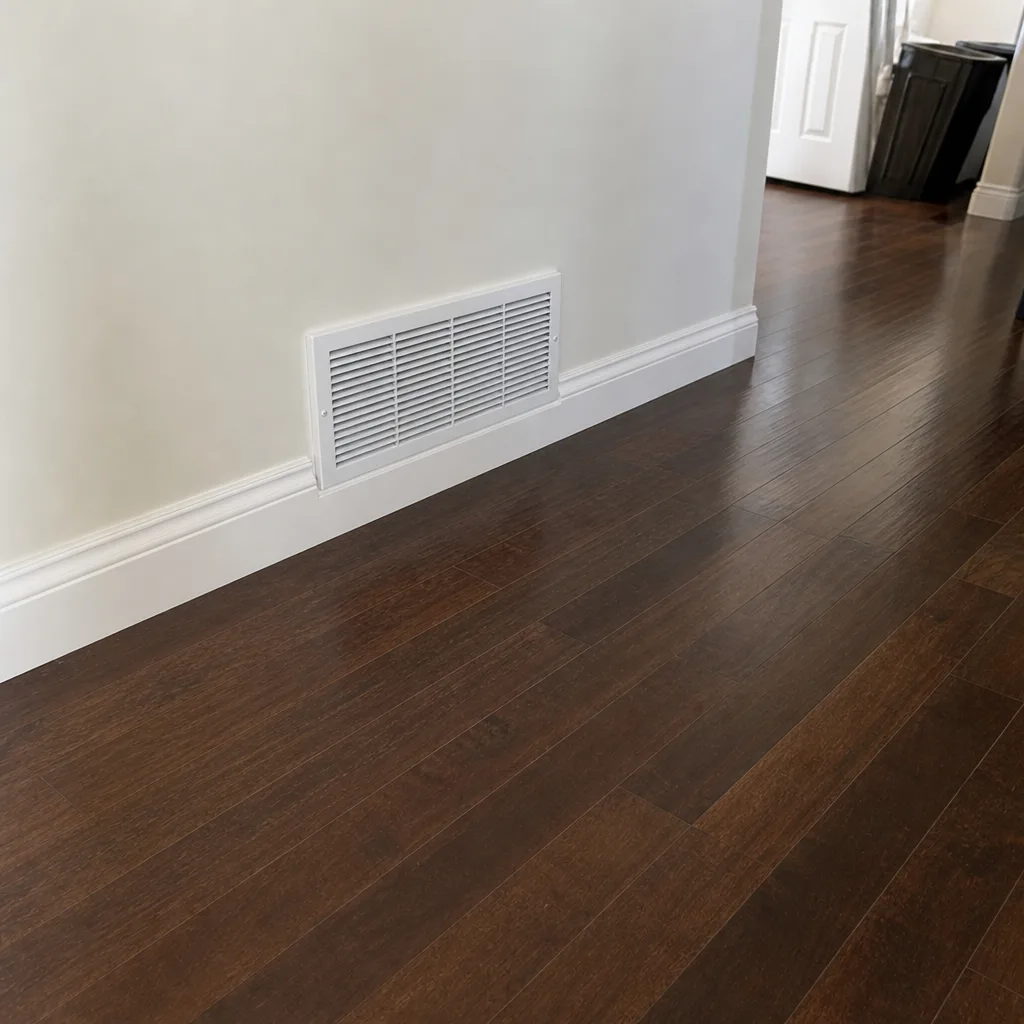
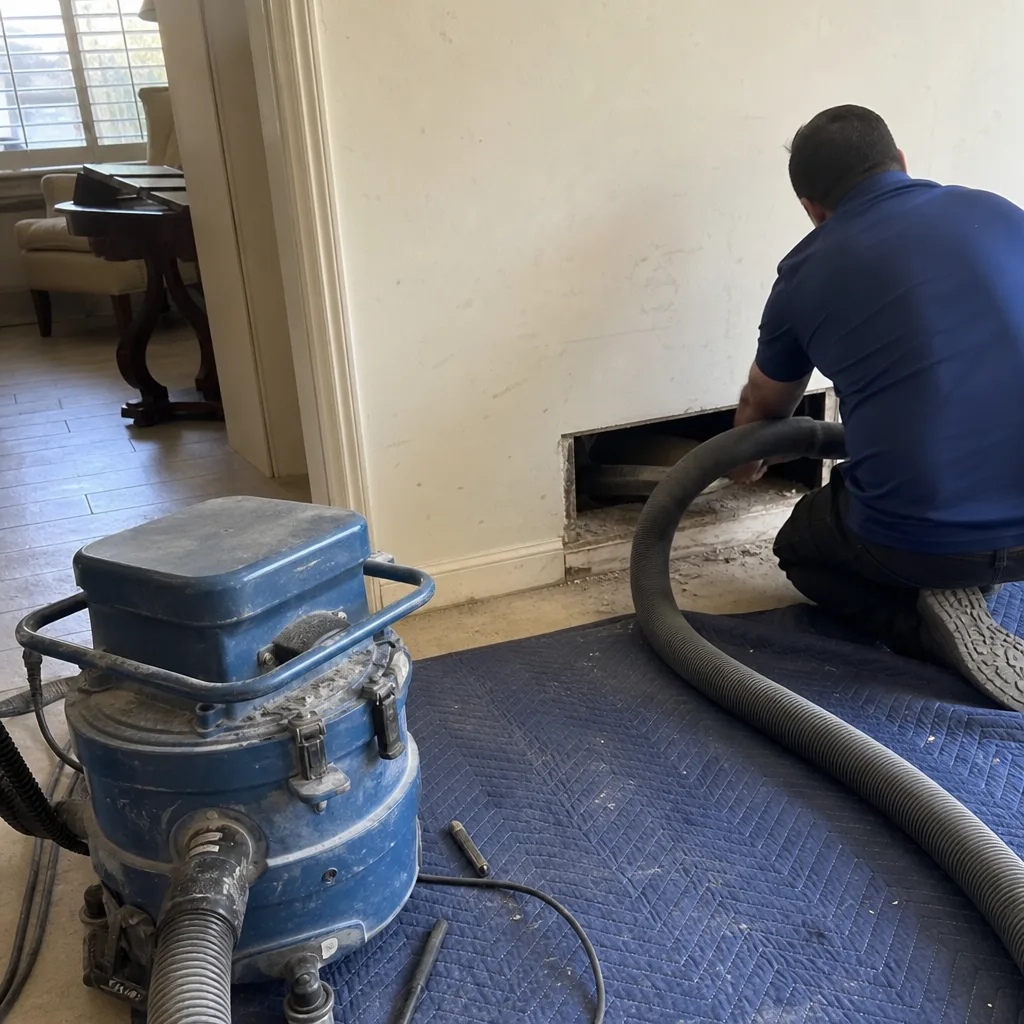
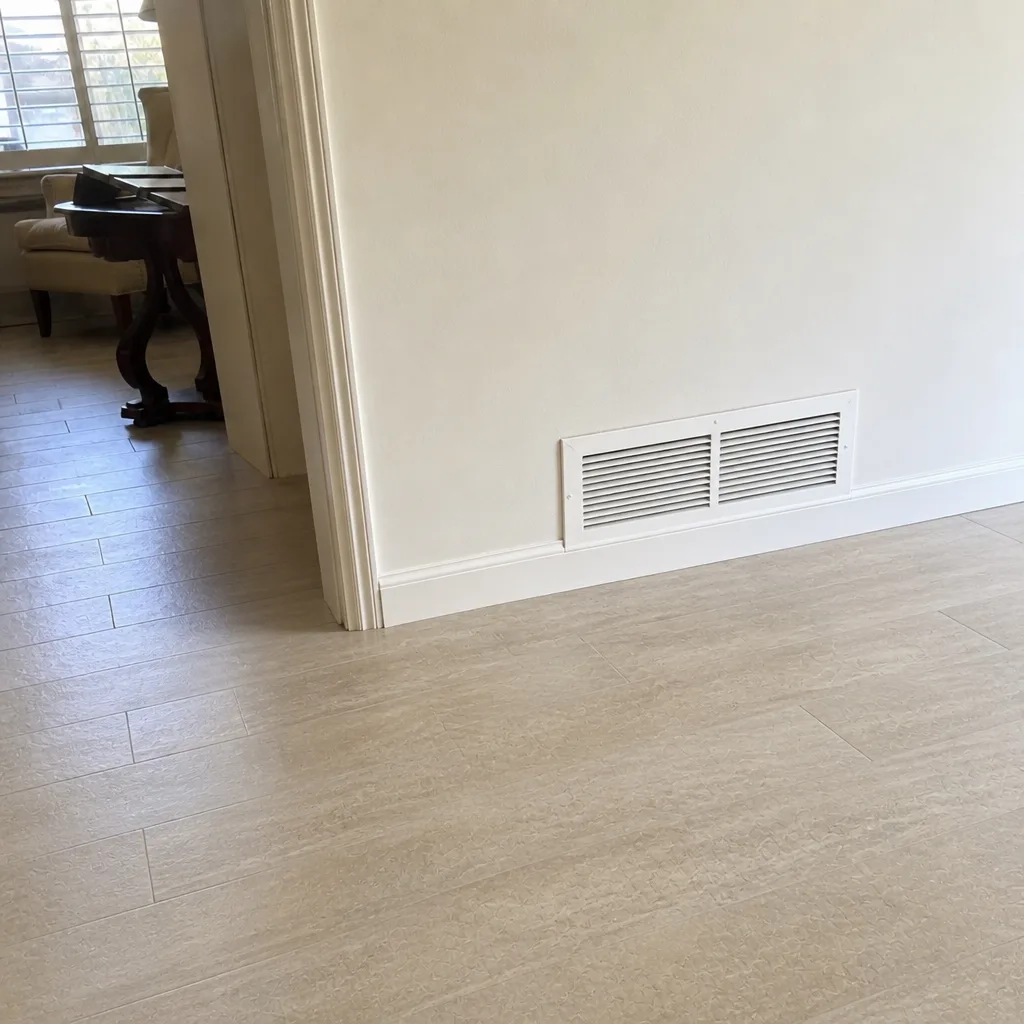
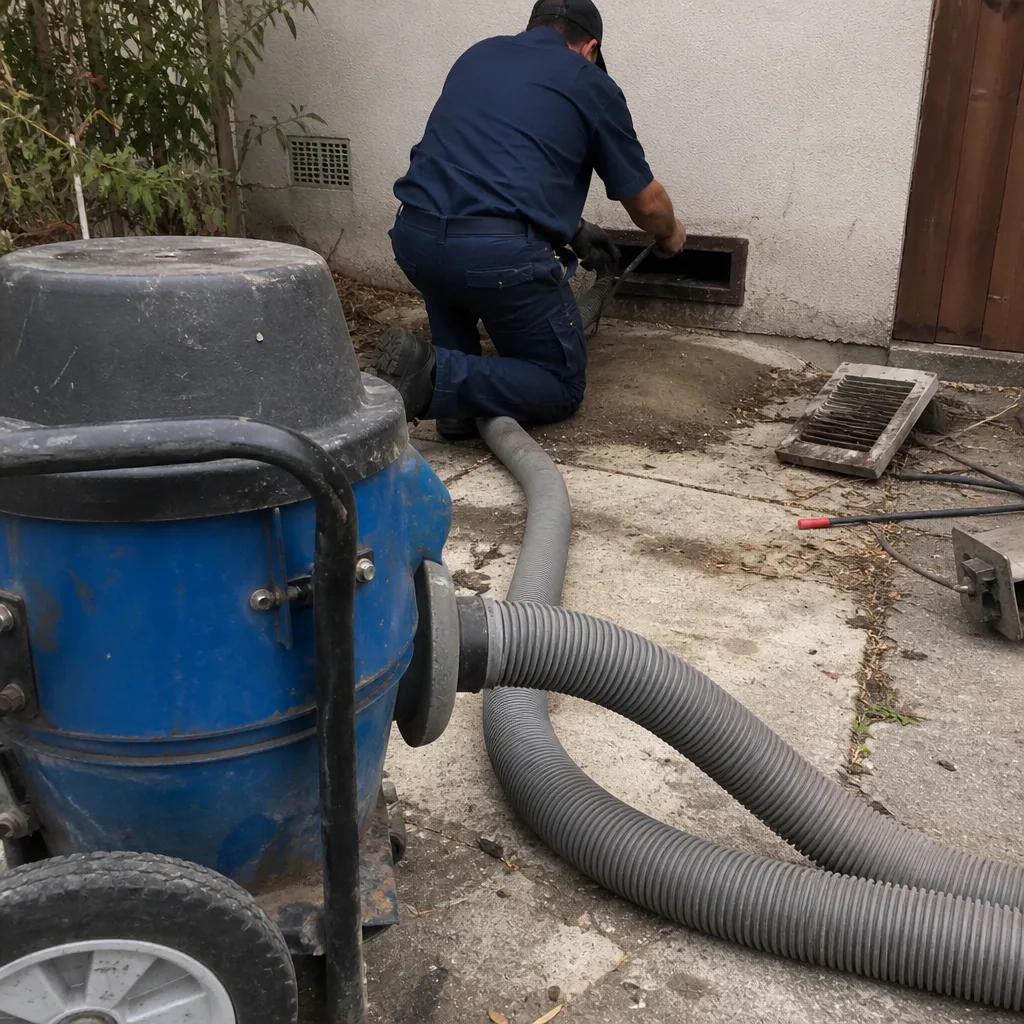
Whole-system duct and dryer vent check with before-and-after photos - you see exactly what came out of your vents
That "$99 whole-house special" is a bait ad - the real number appears once they are in your hallway, or the "clean" is a shop-vac at the register. We photograph the inside of your ducts before and after instead.
DIY vs Professional Air Duct Cleaning: The Fountain Valley Homeowner’s Decision Guide
Most homeowners who decide to clean their own ducts reach for a shop-vac and pull a floor register off. It’s an understandable instinct, and it’s the wrong one. A shop-vac held at an open register changes the pressure inside the duct run, and in most setups it pushes loose debris deeper into the system rather than drawing it out. That’s the part that surprises people. The DIY versus professional question isn’t really about effort or budget, it’s about whether your equipment can create the negative pressure a duct system needs to give up what’s stuck to its lining. This guide walks through the physics, what you can genuinely do yourself in a Fountain Valley home, and where DIY stops being a shortcut and starts being a risk.
Quick Answer
Professional air duct cleaning is worth it for whole-house systems, fiberglass-lined ducts, and any home with visible dust or musty odors coming from the registers. DIY cleaning works well for surface tasks like washing grilles, vacuuming register openings, and maintaining the filter compartment, and it’s reasonable for a small single-zone condo. But consumer vacuums can’t generate the sealed negative-air environment that pulls embedded debris out of duct lining, so anything beyond surface upkeep needs contractor-grade extraction equipment.
Styles & brands we work with
- Whole-home duct cleaning
- Dryer vent cleaning
- Camera inspection
- Sanitizing & deodorizing
Table of Contents
- The Physics Problem: Why Negative Pressure Decides the Outcome
- What You Can Legitimately Do Yourself
- Equipment Comparison: Consumer Kit vs Professional System
- Fountain Valley Homes Where DIY Is Actually Reasonable
- Fountain Valley Homes Where DIY Creates Real Risk
- How to Use DIY Maintenance Between Professional Visits
- Common Mistakes to Avoid
- Frequently Asked Questions
The Physics Problem: Why Negative Pressure Decides the Outcome
Duct cleaning succeeds or fails on one variable: whether the air around the debris is moving toward your vacuum or away from it. A vacuum source only captures particles that reach its intake. In an open duct system, air takes the path of least resistance. Block one opening and air rushes in from every other register, grille, and seam in the house. The debris sitting on the duct floor never gets pulled toward the wand because there’s no pressure differential driving it there.
Professional duct cleaning solves this by isolating the system and putting the whole duct network under negative pressure. A high-volume vacuum connects to the main trunk, every register is sealed, and the resulting pressure difference pulls air (and the debris it carries) in one direction: toward the collection unit. Then a rotary brush or air whip agitates the duct lining so embedded material releases into that airstream.
Here’s what matters for a Fountain Valley homeowner deciding on DIY:
- CFM alone isn’t the metric. A consumer vacuum might advertise impressive airflow, but raw CFM measured at the nozzle means little if the duct system isn’t sealed. Without isolation, that airflow just recirculates household air.
- Containment matters as much as suction. Professional setups use HEPA filtration on the exhaust so fine particulates don’t blow back into living space. A shop-vac exhausts into the room you’re standing in.
- Agitation is a separate job. Suction removes loose dust; brushes and air whips remove what’s bonded to the duct wall. Consumer kits rarely include contact agitation sized for residential ductwork.
The practical upshot: the DIY method most people try doesn’t clean the ducts. It stirs them. That single fact reframes the whole decision, and it’s why so many Fountain Valley homeowners who attempt it end up calling us anyway.
What You Can Legitimately Do Yourself
Plenty of duct-adjacent maintenance is well within reach for a careful homeowner, and doing it consistently genuinely improves indoor air quality. The key is separating surface work from system work.
- Wash the grilles and register covers. Pop them off, rinse in a sink or hose them outside, dry fully, reinstall. Grilles collect dust fast and hold it in the airstream.
- Vacuum the register openings. With the system off, a brush attachment on a household vacuum clears the first few inches of visible dust at each opening. Stop at the visible surface; don’t push the wand deep into the duct.
- Maintain the filter compartment. Replace the filter on the schedule your filter’s rating calls for, check that it seats flush with no gaps around the frame, and vacuum the compartment interior when you swap it. This is the single highest-value DIY task on the list.
- Keep return grilles clear. Furniture, rugs, and storage pressed against a return restrict airflow and drive up static pressure. Give returns breathing room.
- Check accessible flex duct runs. In an attic or crawlspace, look for crushed, kinked, or disconnected sections. Note anything suspicious and leave the repair to a professional.
- Clean the dryer vent lint trap area. Empty the trap after every load and vacuum lint from around the trap housing. The full vent run is a different job, but trap maintenance reduces fire risk noticeably.
That list is real maintenance, not busywork. It improves airflow and reduces what reaches your ducts in the first place. What it doesn’t do is clean the interior surfaces of the duct system, which is why it complements professional air duct cleaning rather than replacing it.
Equipment Comparison: Consumer Kit vs Professional System
The gap between a $200 consumer duct cleaning kit and a contractor-grade system isn’t a matter of degree. They’re different categories of tool built for different jobs. Here’s how they break down task by task.
| Task | Consumer Kit | Professional System |
|---|---|---|
| Loose surface dust at registers | Handles it | Handles it easily |
| Sealed negative-pressure extraction | Cannot do it | Built for it |
| Contact agitation of duct lining | Limited, short reach | Rotary brush and air whip, full run |
| Fine particulate containment | Standard shop-vac filter | HEPA filtration on exhaust |
| Whole-system coverage | One register at a time | Trunk line and all branches simultaneously |
| Duct repair and sealing | Not addressed | Standalone service |
| Sanitizing after cleaning | Not addressed | Available as part of the service |
We run Rotobrush and Nikro professional duct cleaning systems, both of which combine brush agitation with high-volume extraction so debris releases and leaves the system in a single pass. For fine particulate capture we use Abatement Technologies HEPA filtration, the same negative-air standard applied in hazardous-material abatement work. That’s the equipment difference in plain terms: one tool moves dust around the living room, the other removes it from a sealed system and traps it.
There’s a second layer most DIY guides leave out. Cleaning removes what’s accumulated, but it doesn’t stop the next round from entering through leaks and gaps at joints, boots, and plenum connections. That’s why we offer duct repair and sealing as a standalone service. Clean it, seal it, keep it clean. Without the seal, a cleaning buys you less time than it should. Our technicians have up to 9 years of experience with that full sequence.
Fountain Valley Homes Where DIY Is Actually Reasonable
Fountain Valley’s housing stock runs from mid-century single-story tract homes to 1980s two-story builds to newer condo and townhome developments. The single-zone condo is where DIY genuinely makes sense.
A small condo with one air handler, a short trunk run, and a handful of registers has a duct system that’s relatively easy to inspect and maintain. Surface cleaning with a brush attachment, filter discipline, and grille washing will keep it in reasonable shape. If the system is under ten years old, the ductwork is accessible, and there’s no sign of moisture, dust streaks, or odor, a professional cleaning every few years is plenty and the DIY work in between is meaningful.
Fountain Valley’s climate helps here too. Mild winters mean the heating system runs lightly, and most of the year the air handler is moving cooled air rather than hot air. That gentler duty cycle slows the pace at which dust bakes onto duct surfaces compared with homes in harsher climates. The same mild conditions that make Fountain Valley pleasant also mean you’re not fighting the seasonal dust-and-heat cycles that push some homeowners into annual cleanings.
What DIY does reasonably well in a small Fountain Valley home:
- Surface maintenance between visits
- Filter changes on a strict schedule
- Airflow obstructions at returns
- Grille and register cleaning
- Visual inspection of accessible duct runs
What it doesn’t do: extract embedded debris, sanitize the system, or catch leaks that are wasting conditioned air. Knowing that boundary is the whole game. Air you can measure, not just feel.
Fountain Valley Homes Where DIY Creates Real Risk
Older Fountain Valley homes change the equation. Duct systems installed decades ago often used fiberglass duct board or internal fiberglass lining, and that lining sheds when it’s disturbed. A rotary brush in experienced hands is controlled. A consumer kit shoved into a lined duct is a scraping tool with no control, and the fibers it releases travel straight into the living space.
Watch for these scenarios where we’d steer a homeowner away from DIY:
- Fiberglass-lined or duct-board systems. The lining is friable. Agitate it wrong and you’ve introduced a new particulate problem.
- Visible dust streaking on the registers. That pattern means the system is actively distributing particles, and the source is deeper than the grille.
- Musty or stale odors when the system starts. Odor is a sign of moisture or microbial growth somewhere in the system, and that calls for sanitizing and inspection, not surface cleaning.
- Rising energy bills with no equipment change. Leaks are a common culprit, and leaks need sealing, which DIY cleaning doesn’t address.
- Long or complex duct runs. Two-story homes with multiple zones have trunk lines a consumer tool can’t reach or isolate.
- Renovation dust after a remodel. Drywall dust coats everything and needs sealed extraction, not a shop-vac that exhausts it back into the room.
One caution worth stating plainly. If you’re considering opening the air handler cabinet or the supply plenum to clean inside, stop and call a professional. Those components carry line-voltage electrical connections and moving parts, and getting that wrong is a genuine safety hazard. Duct interiors and cabinet work aren’t homeowner territory.
For those homes, the sensible path is professional HVAC cleaning alongside duct work, done with the sealing step included. Most of the Fountain Valley homes we see with persistent dust complaints need the repair piece as much as the cleaning piece.
How to Use DIY Maintenance Between Professional Visits
The smartest approach isn’t DIY or professional. It’s both, sequenced properly. DIY maintenance extends the interval between professional cleanings instead of replacing them, and it makes each professional visit more effective because the system starts from a cleaner baseline.
Here’s the sequence we recommend for a Fountain Valley home:
- Get a professional cleaning and sealing baseline. Once the system is cleaned and any leaks are sealed, every DIY task you do afterward actually holds its value.
- Set a filter schedule and stick to it. Match the replacement interval to the filter’s stated life. Note the date on the filter when you install it.
- Clean grilles monthly during dusty months. Interior dust, pollen, and construction dust from nearby work all find their way into the return airstream. A quick rinse does more than people expect.
- Inspect returns quarterly. Confirm nothing is blocking them and the grille sits flush.
- Vacuum register openings every six months. Just the visible surface with a brush attachment.
- Check the dryer vent lint trap after every load and vacuum the trap housing monthly. Schedule the full dryer vent run as its own service.
- Watch for the three signals. Dust streaks at registers, musty odor at startup, or a creeping energy bill each mean it’s time to call.
That rhythm keeps a Fountain Valley home’s system in good shape while letting the professional visits do the work only professional equipment can do. It also means you’re not paying for a cleaning every time dust shows up at the grille. Clean it. Seal it. Keep it clean. Our dryer vent cleaning service fits right into this schedule as its own line item, and dryer vents deserve the professional treatment more than any other part of the system because lint buildup is a genuine fire risk, not a dust nuisance.
Common Mistakes to Avoid
- Running a shop-vac at the register and calling it duct cleaning. This creates positive pressure in the run and pushes debris deeper. It looks productive and does the opposite of what you want.
- Pushing a consumer brush or wand deep into the duct. Flexible consumer tools snag on joints, crush flex duct, and tear fiberglass lining. Stop at the visible surface.
- Skipping the filter compartment when you vacuum. A dirty compartment defeats a clean filter and dumps particles straight back into the airstream. Homeowners in Fountain Valley with elevated dust often find the compartment is the source, not the ducts.
- Ignoring leaks in favor of cleaning. Clean ducts with leaking joints re-dirty fast because the system is pulling attic or crawlspace air in. If a cleaning seems to wear off quickly, leaks are the likely reason.
- Assuming musty odor is just a smell. Odor signals moisture or growth in the system. Cleaning alone won’t solve it; sanitizing and inspection will.
- Cleaning the system after a remodel without containment. Drywall and construction dust needs negative-air containment, not a shop-vac in the hallway. Use sealed extraction for this.
- Skipping dryer vent maintenance entirely. It’s a separate system from the air ducts, and it’s the one with real fire exposure from lint accumulation. Schedule it on its own.
See the difference
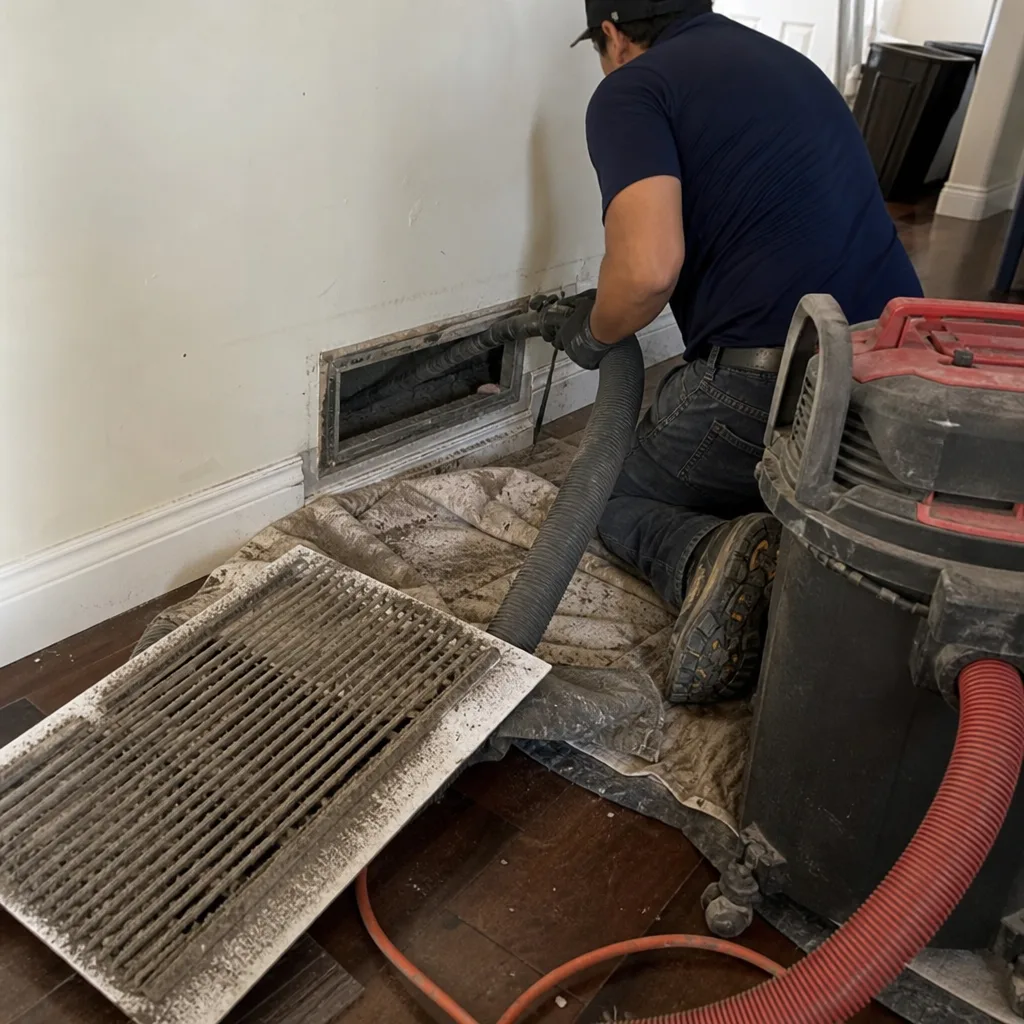 Before
 After
 Before
 After
 Before
 After
When to Call a Professional
Call a professional when your registers show dust streaks, when the system smells musty on startup, when energy bills climb without an equipment change, or when your home has fiberglass-lined or duct-board ductwork. Call for whole-house systems with long trunk runs or multiple zones. Call after a remodel. Call when you’re unsure whether the system is leaking. And call for the dryer vent run as its own service; lint accumulation in that vent is the one part of the airflow system where the risk profile is genuinely different from dust.
Fountain Valley Air Duct Cleaning offers free estimates in Fountain Valley. Call (855) 658-3999. We answer 24/7. Fast dispatch from 7am to 7pm, Sunday through Friday. The estimate is free, the price is set per job, and we agree on one flat price before work starts. You’ll see before-and-after photos of your own system.
Frequently Asked Questions
Yes, for surface maintenance and for small single-zone condos with accessible, unlined ducts in good condition. Washing grilles, vacuuming register openings, and maintaining the filter compartment are genuine improvements. What DIY can’t do is create the sealed negative-pressure environment that pulls embedded debris out of duct lining, and that’s the reason to call a professional for whole-system cleaning.
Because it changes the pressure inside the duct run in the wrong direction. With the system open, air rushes in from every other register and the shop-vac exhausts back into the room, so loose debris gets pushed deeper instead of extracted. Professional systems isolate the duct network and put the whole run under negative pressure, which pulls air and debris toward the collection unit rather than away.
No. Fiberglass duct board and internal lining shed when disturbed, and a consumer brush or wand agitates it without the control professional equipment provides. That releases fibers into the airstream. Fiberglass-lined systems need rotary equipment in experienced hands and HEPA filtration on the exhaust. Call (855) 658-3999 for a free estimate.
You ask for before-and-after photos of your own duct system, not stock images. You look inside the registers and confirm the visible surfaces are clean. You notice the three signals improve: dust streaks stop reappearing, musty odors at startup go away, and the system runs quieter and moves air more freely. One flat price per system agreed before work starts removes the incentive to pad an invoice.
Cheap quotes usually skip the sealing step, run a shop-vac-style pass without contact agitation, and charge by register to keep the headline number low. Ask what equipment will be used, whether the system gets sealed, and whether HEPA containment is included. If the answer is vague, the number on the quote isn’t the number you’ll pay. Call (855) 658-3999 for an exact quote with the scope spelled out. Estimates are free.
For most Fountain Valley homes, every few years is reasonable, plus a cleaning after a major remodel or when dust, odor, or energy signals appear. Fountain Valley’s mild climate means the system runs under a gentler duty cycle than in harsher climates, so you’re not facing the seasonal dust cycles that push some homeowners to annual cleanings. DIY maintenance in between extends the interval further.
Ask whether the company uses contractor-grade rotary brush systems like Rotobrush or Nikro, whether HEPA filtration is included on the exhaust for fine particulate capture, and whether duct sealing is offered as a standalone service. Any of the major air quality brands like Aprilaire or Honeywell are a sign the provider handles upgrades too, not just cleaning. Those details separate a full-system specialist from a one-service crew.
It can, and it’s the smartest way to use DIY. Stay on the filter schedule, clean grilles monthly during dusty months, vacuum register openings twice a year, and keep returns clear. That discipline reduces what reaches the inside of the duct system, so professional cleanings stretch further. Doing it after a professional cleaning and sealing has the biggest effect, since leaks re-dirty a system faster than anything else.
The Bottom Line
The DIY versus professional question comes down to pressure. Consumer equipment can’t isolate and seal the duct network, so it can’t pull embedded debris from duct lining. Professional systems can, and the difference shows up in what your registers look like six months later. Do the surface work yourself: grilles, register openings, filters, and return clearance, ideally right after a professional cleaning and sealing has established a clean baseline. Call a professional for whole-house systems, fiberglass-lined ducts, odor, dust streaks, leaks, dryer vents, or post-remodel work. In Fountain Valley, the right sequence gets you better air with fewer cleanings.
When you’re ready for a professional evaluation, call (855) 658-3999 for a free estimate. One flat price per system agreed before work starts, before-and-after photos of your own ducts, and the duct repair and sealing step that keeps the cleaning holding. We answer 24/7. Fast dispatch from 7am to 7pm, Sunday through Friday. One call covers every part of your airflow, from Fountain Valley Air Duct Cleaning to sanitizing and sealing.
Written by the team at Fountain Valley Air Duct Cleaning.