
Last updated November 23, 2026
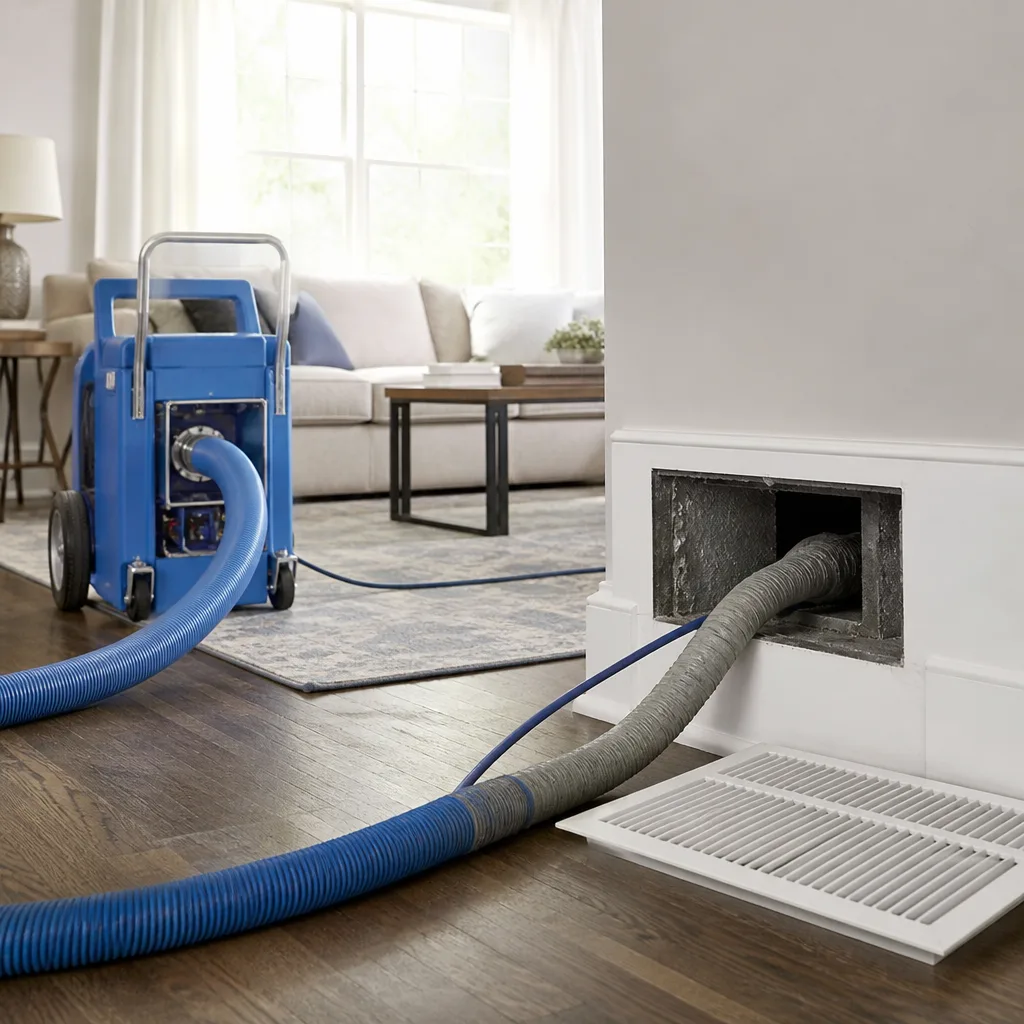 Whole-home duct cleaning
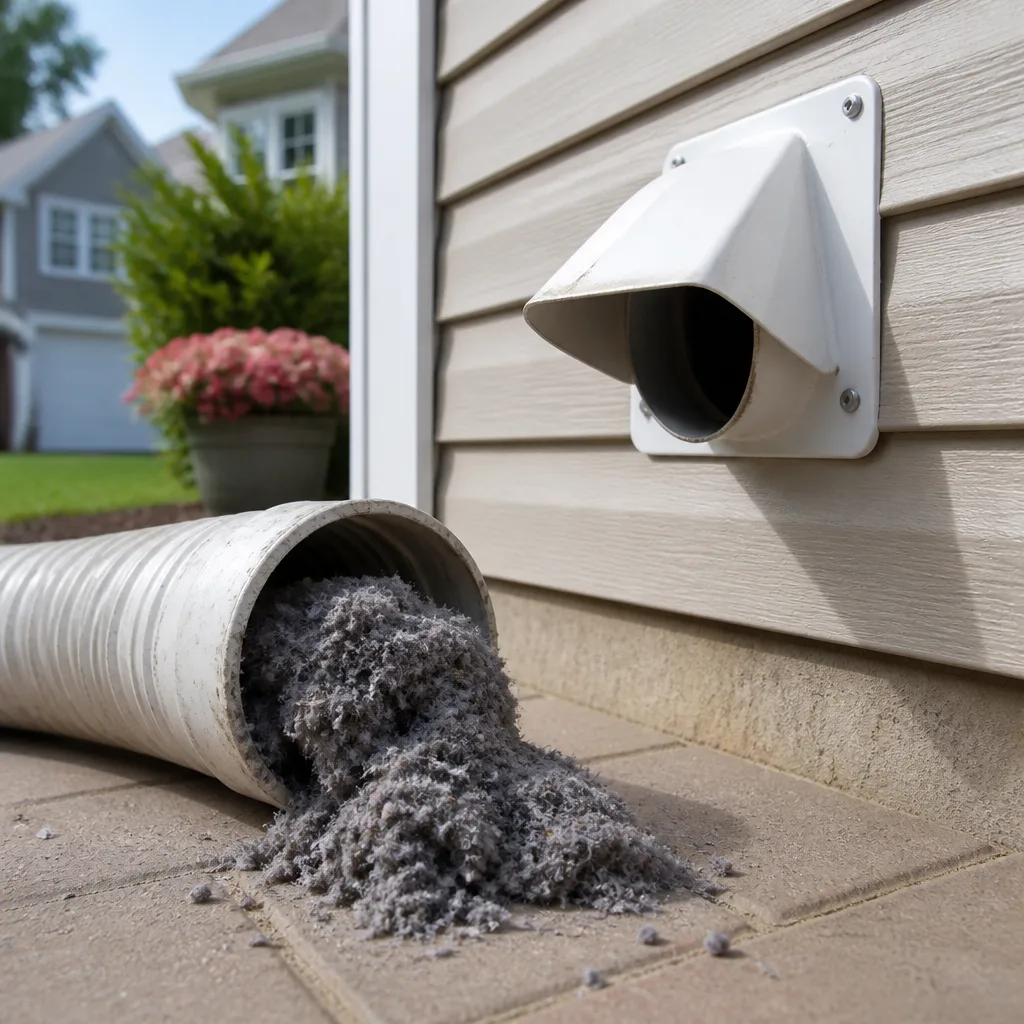 Dryer vent cleaning
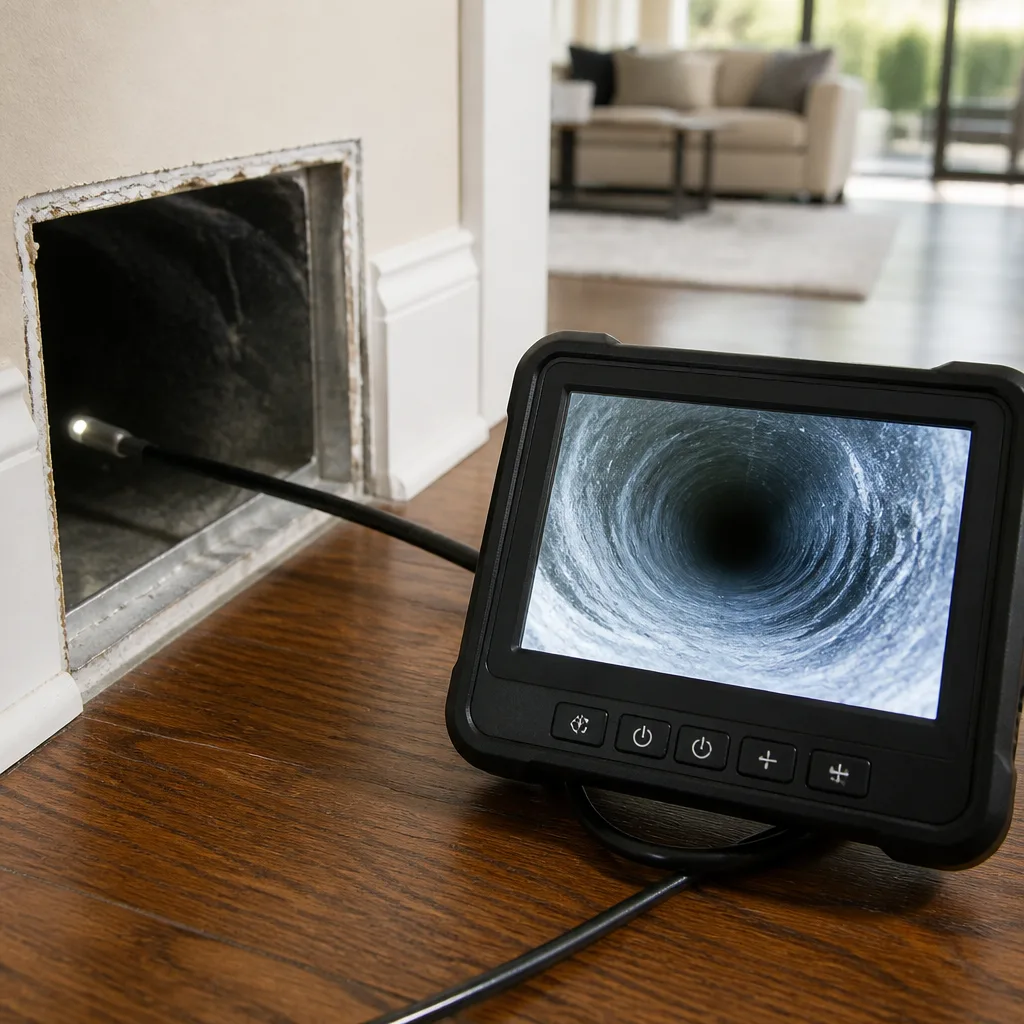 Camera inspection
 Sanitizing & deodorizing
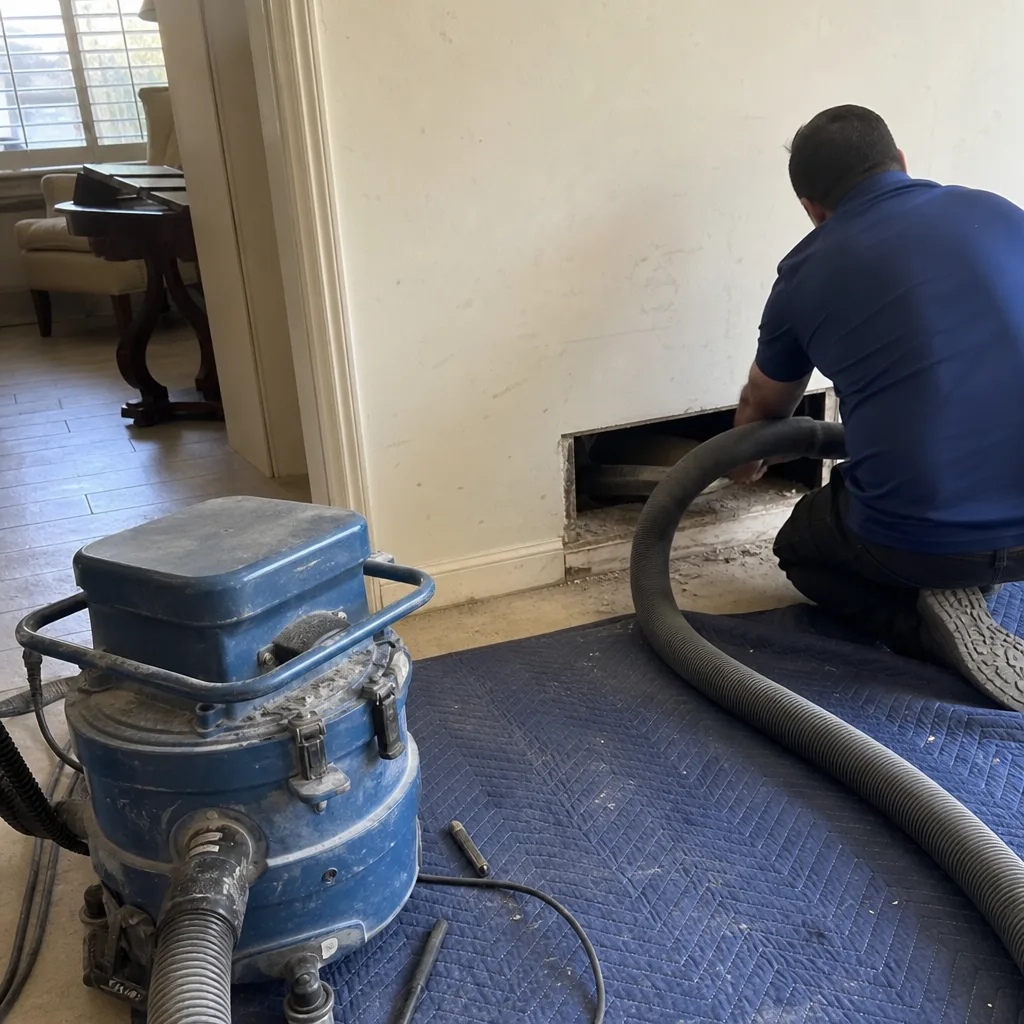
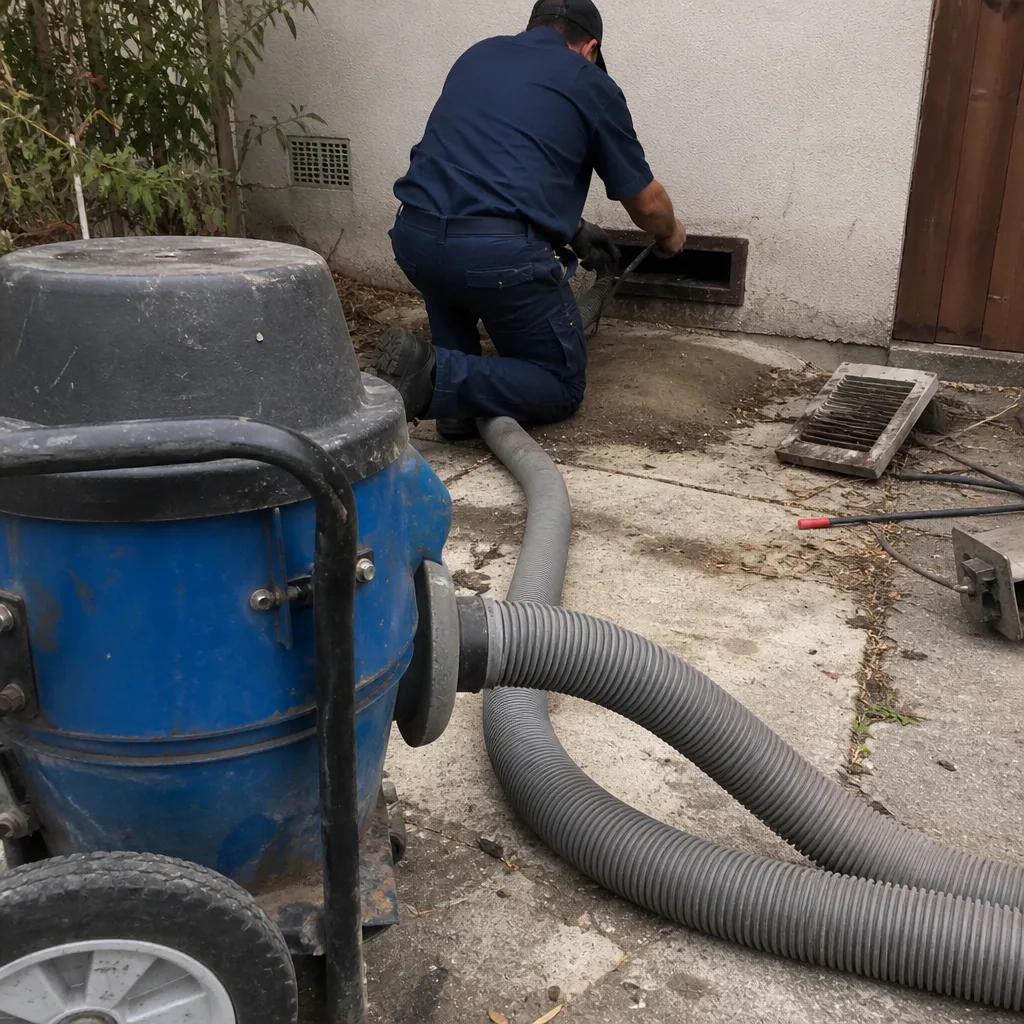
Whole-system duct and dryer vent check with before-and-after photos - you see exactly what came out of your vents
That "$99 whole-house special" is a bait ad - the real number appears once they are in your hallway, or the "clean" is a shop-vac at the register. We photograph the inside of your ducts before and after instead.
How to Hire an Air Duct Cleaning Contractor in Fountain Valley: A Step-by-Step Guide
Most duct cleaning complaints don’t start with a bad technician. They start with a homeowner who booked on price alone and never asked what equipment would show up. The industry standard for this work, the NADCA ACR standard, requires negative air pressure in the system before any brushing begins, and a significant share of complaints trace back to operators who skipped that step entirely. They cleaned the registers you can see, collected a check, and left the main trunk lines untouched. This guide walks through the five technical questions, the site walkthrough, and the post-job deliverables that separate an equipment-equipped specialist from a shop-vac operator. We’ll keep the Fountain Valley context in view throughout, because a mild-climate, tightly built suburb like this one behaves differently from a cold-weather market.
Quick Answer
Hiring an air duct cleaning contractor in Fountain Valley comes down to verifying three things before you book: the equipment (a negative air machine rated for the system’s size, a mechanical brush system, and HEPA filtration for containment), the process (does the contractor map and inspect the system before touching a tool, per the NADCA ACR standard), and the deliverables (before-and-after photos at key access points, a written scope of what was cleaned, and documented findings like disconnected ducts or mold). Price should be set per system after that inspection, not quoted over the phone with a flat rate that ignores duct count and square footage.
Styles & brands we work with
- Whole-home duct cleaning
- Dryer vent cleaning
- Camera inspection
- Sanitizing & deodorizing
Table of Contents
- The Five Technical Questions to Ask Before You Book
- Why Negative Air Pressure Is the Whole Ball Game
- What NADCA ACR Compliance Actually Requires
- What a Credible Site Walkthrough Looks Like
- Red Flags in a Quote
- Post-Job Deliverables to Request
- Why Cleaning Without Sealing Is Half a Job
- Common Mistakes to Avoid
The Five Technical Questions to Ask Before You Book
You don’t need a background in HVAC to interview a duct cleaning contractor, but you do need five specific questions answered in plain terms. An operator who can’t answer these clearly is telling you something. Ask them on the phone before anyone comes out. A credible company expects them; a crew running a single vacuum and a promise will get vague fast.
- What’s the CFM rating on your negative air machine? CFM stands for cubic feet per minute, and it’s the measure of how much air the machine pulls out of the system to create suction. A machine rated too low for the duct volume leaves debris airborne and settles it right back into the lines. Ask for the number, not just “it’s industrial.”
- What type of brush system do you use? Mechanical agitation, meaning a rotating brush or air whip that physically scrubs the duct walls, is what actually dislodges caked-on debris. Compressed-air blow-outs without a brush just redistribute dust through the house. The Rotobrush system is a brush-and-vacuum setup many professional HVAC contractors use; ask if that’s what will show up.
- Is your extraction truck-mount or portable, and does it include HEPA filtration? Portable HEPA extraction is standard for residential work, and the brand matters less than the filtration rating. We use Nikro commercial-grade suction and Abatement Technologies HEPA units, the same negative-air standard applied in hazardous-material abatement work. Ask what happens to the fine particulates.
- Will you map the system before cleaning it? A serious contractor traces the trunk lines, branch runs, and return path, notes register count, and checks for disconnected or crushed sections first. If the answer is “we just start at the registers,” that’s your answer.
- How is the price set? It should follow the inspection, based on duct count, square footage, and system configuration. A flat rate quoted over the phone without a walkthrough is a rate that ignores the actual job.
Write the answers down. The pattern across all five tells you more than any one answer. If you’re comparing options and want a baseline, our own Fountain Valley Air Duct Cleaning team will walk you through these questions on the phone before you commit to anything, and our technicians have up to 9 years of experience answering exactly these kinds of calls.
Why Negative Air Pressure Is the Whole Ball Game
Negative air pressure is the difference between cleaning a duct system and rearranging the dirt inside it. When a negative air machine pulls air out of the sealed system, it draws debris toward the extraction point instead of blowing it into your living room. Without that suction, every brush stroke and every blast of air pushes dust into the adjacent rooms, and the main trunk lines stay loaded. That’s the failure the NADCA standard exists to prevent, and it’s the most common reason a duct cleaning “didn’t do anything” in Fountain Valley homes.
Here’s what goes wrong when the negative air step is skipped or undersized:
- Debris gets airborne inside the house. Fine dust and settled particulates recirculate through living spaces and settle again on surfaces, furniture, and filters. Homeowners notice within days.
- Trunk lines stay untouched. Branches and registers are easy to reach. The large main runs carry the most debris volume and can’t be properly cleaned without pulling suction through them.
- Containment fails at the access points. A proper setup seals each opening and includes HEPA filtration to capture the fine fraction that escapes the vacuum. Portable HEPA extraction is not a luxury; it’s part of the process.
There’s a seasonal wrinkle specific to this part of Orange County. Winters are mild, so homes here run the HVAC system in a fairly even pattern year round, with cooling-heavy months and a light heating season. That steady, gentle cycling means debris accumulates gradually rather than in one dramatic heating-season push, and it means the filter and return side carry a lot of the load. When we walk a system in Fountain Valley, we look at the return plenum and filter housing as closely as the supply runs. If you want to see how this fits into the full scope of the job, the air duct cleaning process we describe covers sealing, brushing, and HEPA extraction in sequence.
What NADCA ACR Compliance Actually Requires
“NADCA certified” gets thrown around loosely, so here’s what the ACR standard actually asks a contractor to do. NADCA stands for the National Air Duct Cleaners Association, and its ACR standard (Assessment, Cleaning, and Restoration) is the reference document the industry runs on. Complying with it is not a marketing badge. It’s a sequence of steps, and you can ask any contractor to describe how they follow each one.
- Assessment first. Before cleaning, the contractor inspects and documents the system’s condition: duct material, layout, contamination level, and any damage or disconnections. You should see this documented, not just described.
- Source removal, not surface cleaning. The standard calls for physically removing contaminants from the system, with mechanical agitation and negative pressure working together. Blowing air through and calling it clean does not meet the standard.
- Containment throughout. Access points are sealed, and extraction equipment keeps the work area and the home protected during the job.
- Protecting components. Registers, diffusers, and any system components are protected or removed as needed so cleaning doesn’t damage them.
- Post-cleaning verification. After the work, the system is checked and documented, usually with photos at the access points, and findings like mold, damage, or disconnected duct sections are reported to the homeowner.
Ask a contractor to walk you through these five points without notes. If they can, you’re dealing with someone who knows the standard from the field. If the answer is “yeah, we’re certified,” ask what the standard requires them to document and where that documentation goes. Fountain Valley homeowners deal with a steady stream of contractor options, and this one question filters the list faster than any review count.
What a Credible Site Walkthrough Looks Like
The walkthrough is where a real contractor separates themselves from a coupon in a mailer, and it happens before any equipment comes out of the vehicle. A credible contractor maps the system first. You’ll see them trace the trunk line, count the branch runs and registers, check the return path, and note the filter setup. They’ll open at least one access point to look at the duct interior and check for disconnected sections, crushed flex duct, or visible moisture. None of this takes long, and all of it determines the price.
What you should expect to hear on a walkthrough in Fountain Valley:
- A register and vent count. The number of supply and return registers drives the scope and the time on site.
- Duct material and configuration. Flex duct, rigid metal, and mixed systems clean differently. Square footage of conditioned space matters alongside duct volume.
- Condition findings. Disconnected runs, gaps at the plenum, debris accumulation at the return, and any signs of moisture or microbial growth.
- A written scope before work starts. What will be cleaned, how it will be sealed, and what’s included in the price. If sealing isn’t in the scope, ask why.
The walkthrough is also your chance to ask about the equipment on the vehicle. You’re entitled to know whether a negative air machine and HEPA extraction are part of the setup, and a professional won’t hesitate to tell you. If the walkthrough feels like a sales pitch with a price attached before anyone has looked at the system, that’s the flat-rate trap in action. Slow it down and demand the inspection first. Proper HVAC cleaning always begins with understanding the system, not with a clipboard.
Red Flags in a Quote
The biggest red flag in this trade is a price that arrives before an inspection. A quote that doesn’t reference duct count, square footage, or system configuration is a number designed to get a foot in the door, and it usually grows once the technician is standing in your hallway. You want a price set after the walkthrough, written down, and agreed before work begins. One flat price per system, tied to the actual scope, is the standard to hold.
Watch for these warning signs:
- Flat-rate phone quotes. Duct cleaning pricing has to reflect register count, square footage, and system layout. A one-size price is a teaser.
- Per-vent pricing that multiplies unpredictably. Adding charges as vents are counted on site is how a low number becomes a large invoice.
- No mention of negative air or HEPA filtration. These aren’t upsells. They’re the process.
- No before-and-after photos. If the work can’t be shown, it’s hard to verify.
- Alarmist language. “Your ducts are making your family sick” is a sales tactic, not a technical finding. An informed contractor describes what they see and lets the scope speak.
- No written scope. Verbal promises and a handshake won’t protect you if the job doesn’t match what you expected.
- Pressure to decide today. A professional schedule doesn’t collapse if you take a day to think it over.
Some quotes are lower for a genuine reason: a smaller crew, less equipment, fewer steps. Ask what’s missing. A cheaper quote that skips negative air and HEPA extraction isn’t a bargain; it’s a different job than the one you need. In our experience across Fountain Valley, the cost difference between quotes usually maps to equipment and containment, which is exactly where you don’t want to cut.
Post-Job Deliverables to Request
The job isn’t done when the technician packs up. It’s done when you have documentation that closes the loop, and a credible contractor provides it without being asked. Three deliverables matter most, and requesting them up front tells the contractor you’ll be checking. That alone tends to improve the work.
- Before-and-after photos at key access points. Photos of the trunk line and at least one branch run, taken at the same angle, before and after. This is how you verify the cleaning actually reached the main runs and not just the registers.
- A written scope completion record. A simple document listing what was cleaned, what was sealed, and any products applied. If you opted for sanitizing or a surface treatment, the product name and the area treated should appear. Guardsman protective treatments, for example, are a post-cleaning sanitizing and surface-protection option, and the record should say so.
- Documented findings. A short written note of anything the technician found: disconnected ducts, gaps at the plenum, moisture, microbial growth, or damaged sections. These findings are your roadmap for the next step, whether that’s sealing, repair, or a call to your HVAC contractor.
Ask for the photos to be sent to you, not just shown on a phone screen. Ask for the completion record in writing. A contractor who documents their work is a contractor who expects to be verified, and that’s the posture you want in your home. If any finding suggests a repair, get the scope in writing too, so you know what’s being addressed and why.
Why Cleaning Without Sealing Is Half a Job
You can clean a duct system perfectly and watch the results fade in a few months if the system leaks. Leaks and gaps at joints, plenum connections, and disconnected runs pull unfiltered air from unconditioned spaces, and that air carries dust, insulation particles, and whatever else lives in an attic or crawl space. The cleaning is still worth doing. But without sealing, you’ve reset the starting line and left the leak running. This is the step most duct-cleaning competitors skip, which is why we offer duct repair and sealing as a standalone service.
The logic is simple: clean it, seal it, keep it clean. Sealing closes the gaps that let debris back in and, in a mild climate where the system runs steadily, keeps conditioned air where it belongs instead of losing it through the joints. Homeowners in Fountain Valley who call us for a second cleaning often suspect the first one failed. More often, the system was never sealed, so the debris came back. If your walkthrough findings included disconnected runs or gaps, treat sealing as part of the job, not a future project. It’s the difference between treating a symptom and treating the system.
Common Mistakes to Avoid
- Booking on price alone. The lowest quote in Fountain Valley is usually the one that skips negative air pressure and HEPA containment. Ask what’s missing before you compare numbers.
- Accepting a phone quote without a walkthrough. A price quoted before anyone has looked at your duct count, square footage, or system layout isn’t a quote. It’s a starting point that grows.
- Not asking about the equipment. A negative air machine’s CFM rating, a mechanical brush system, and HEPA extraction are the three equipment questions. If a contractor can’t answer them, keep looking.
- Skipping the walkthrough inspection. Register counts, duct material, and system condition should be established before work. Insist on it.
- Not requesting photos and documentation. Without before-and-after photos and a written scope, you have no way to verify what was cleaned. Ask up front.
- Ignoring disconnected ducts. A run that’s come loose at a joint isn’t cleaning itself and may be dumping air into the attic. Findings should be documented and addressed.
- Treating cleaning as a one-time event when the system leaks. Sealing is what makes the cleaning last. If the walkthrough found gaps, seal them.
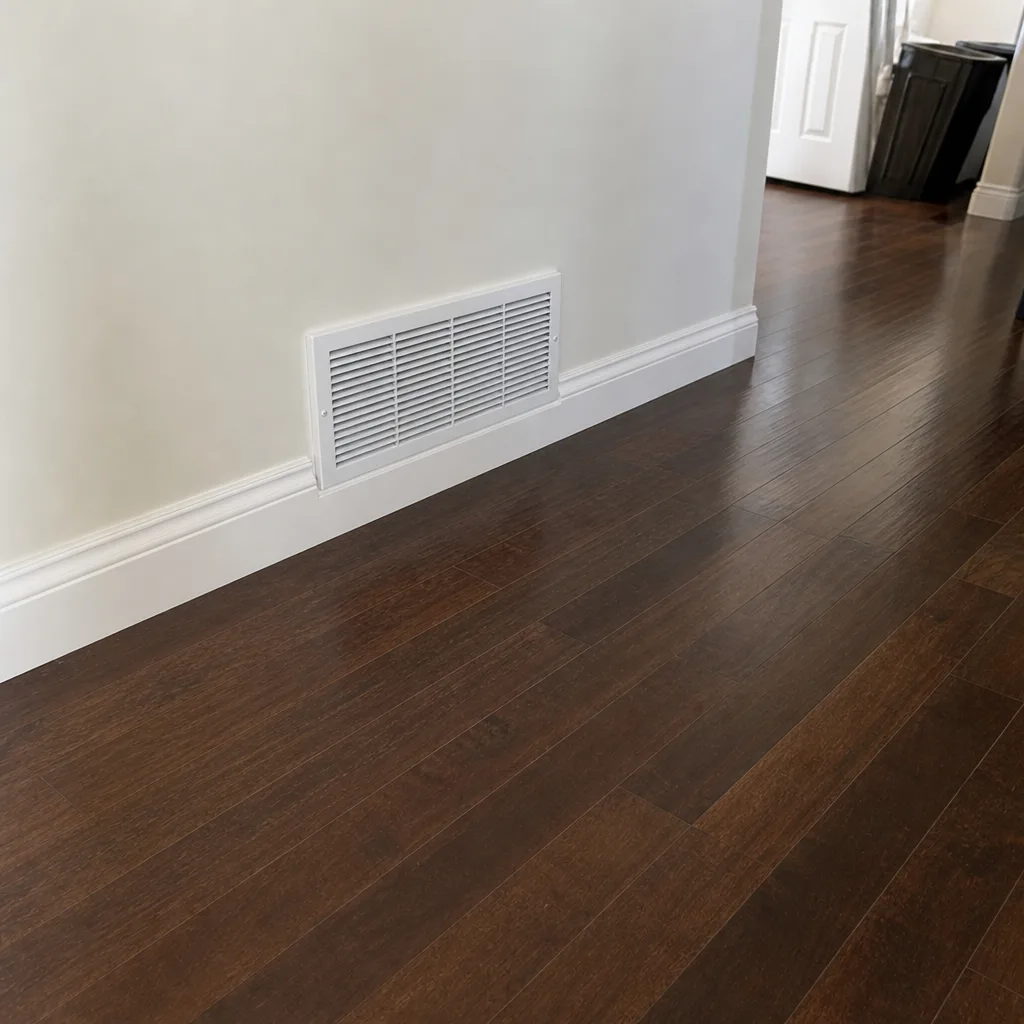
See the difference
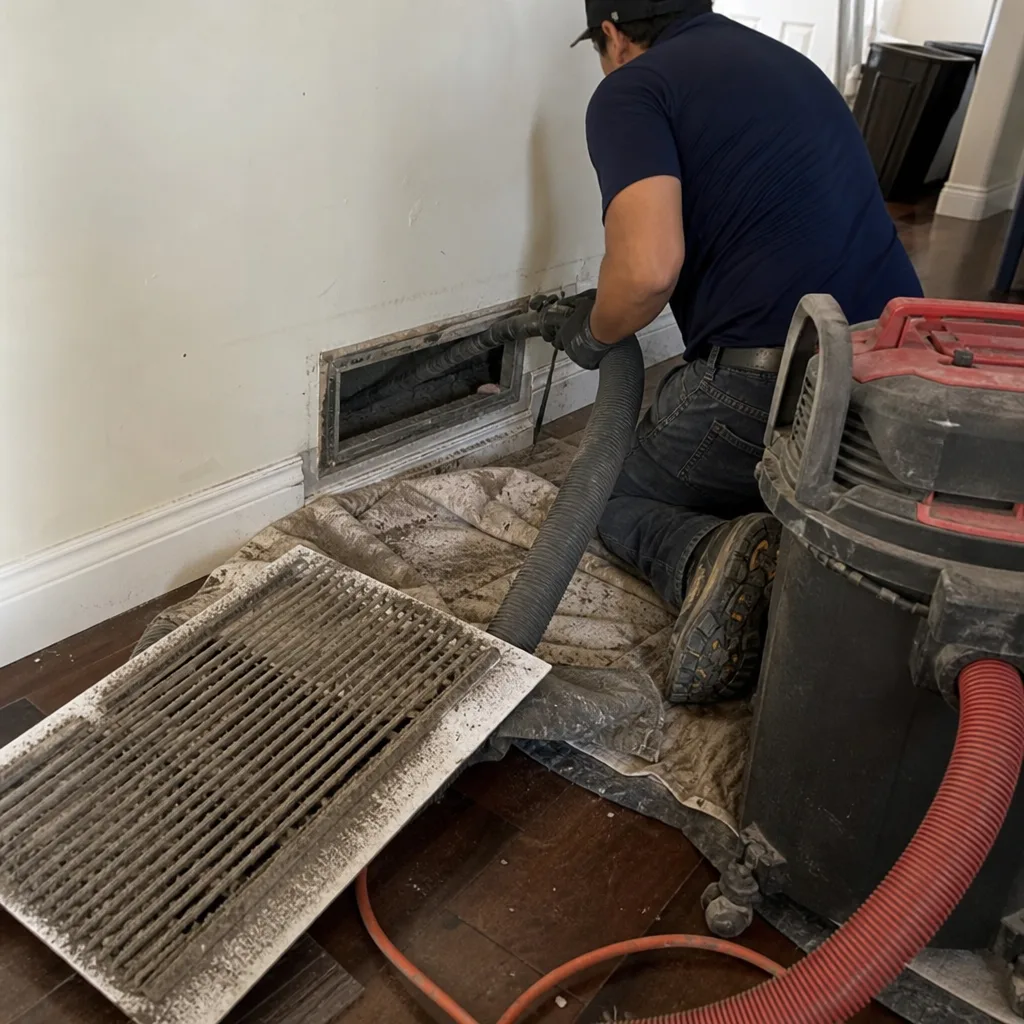 Before
 After
 Before
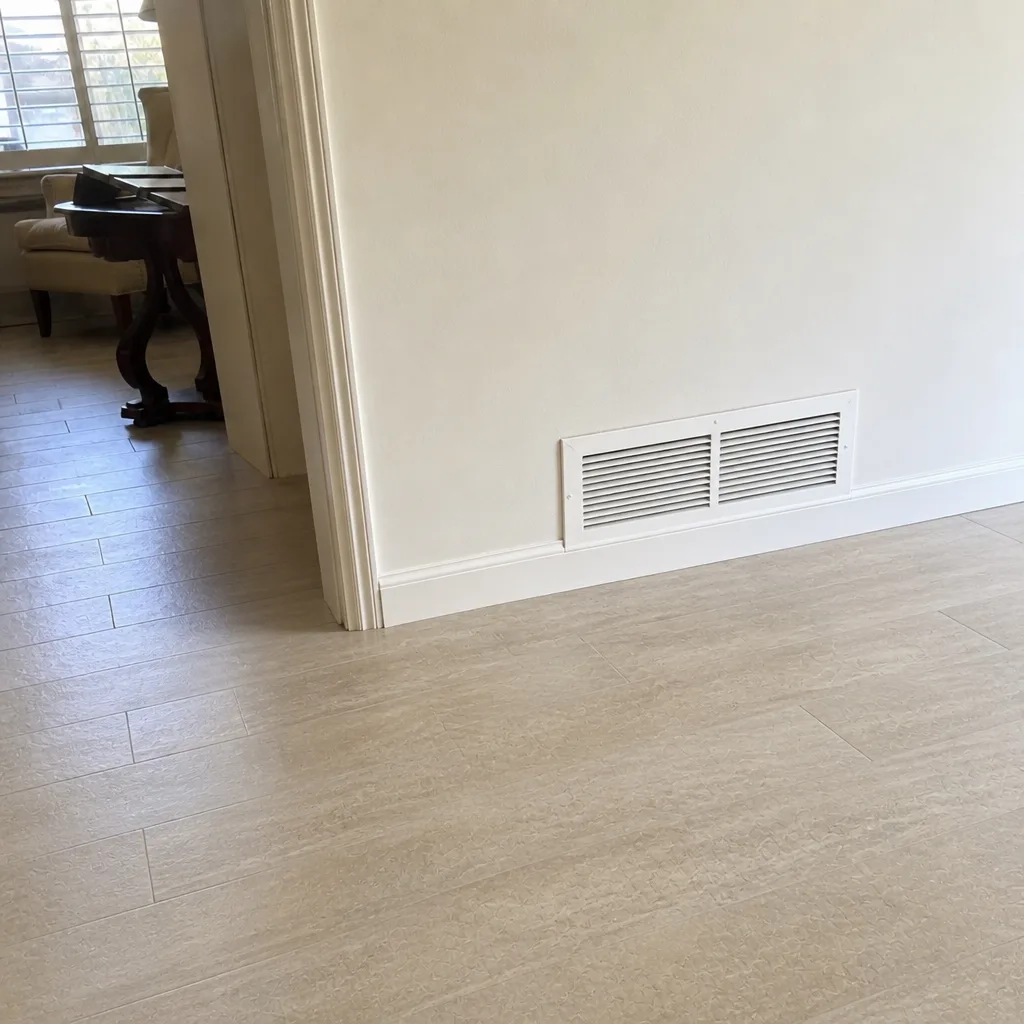 After
 Before
 After
When to Call a Professional
Some signs point clearly to a professional evaluation. If dust settles on surfaces faster than it should after you’ve cleaned, if you notice musty odors when the system runs, if allergy-like symptoms seem to worsen indoors, or if your energy bills are climbing without an obvious cause, the duct system is worth examining. Visible dust at the registers, a filter that loads up quickly, or a system that hasn’t been cleaned in many years are all reasons to book an inspection. None of these calls for alarm. They call for a walkthrough, a scope, and a documented result. Fountain Valley Air Duct Cleaning offers free estimates in Fountain Valley. Call (855) 658-3999. We answer 24/7, with fast dispatch from 7am to 7pm, Sunday through Friday, and we’ll map your system before recommending anything. If you also heat or cool a home here, pair this with the dryer vent cleaning service while the equipment is on site.
Frequently Asked Questions
Typical pricing for residential duct cleaning in Fountain Valley runs from a few hundred dollars for a smaller, straightforward system to the higher hundreds or more for larger homes with multiple zones, long trunk runs, and additional services like sealing or sanitizing. The price is set per system after the walkthrough, based on register count, square footage, and configuration, and the written estimate sets the final number. Be cautious of any flat-rate quote given before an inspection. Call (855) 658-3999 for an exact quote; estimates are free.
Cheaper quotes usually reflect a shorter process: fewer steps, less equipment, and often no negative air pressure or HEPA containment. The technician may clean registers and visible surfaces without properly addressing the main trunk lines. That difference in scope, not a difference in honest efficiency, is what the lower number reflects. Ask what’s included and whether negative air and HEPA extraction are part of the job. Call (855) 658-3999 for an exact quote; estimates are free.
Before-and-after photos at key access points, a written scope completion record, and documented findings give you verification independent of what anyone tells you. Request the photos be sent to you after the job, matching angles at the trunk and at least one branch run. If the contractor documents the work, you can check it. Call (855) 658-3999 for an exact quote; estimates are free.
For most Fountain Valley homes, every few years is a reasonable interval, though it depends on the system, pets, recent remodeling, and whether the ducts have been sealed. Homes with leaks and gaps tend to need it more often because debris returns faster. If your system has never been sealed, getting that done extends the interval. Call (855) 658-3999 for an exact quote; estimates are free.
A credible contractor maps the system first: trunk lines, branch runs, register count, return path, and duct material. They’ll open an access point to check interior condition, note disconnections or damage, and give you a written scope and price based on what they found. No equipment should come off the vehicle until that inspection is done. Call (855) 658-3999 for an exact quote; estimates are free.
If the walkthrough found gaps, disconnected runs, or leaks at the plenum, yes. Sealing keeps the cleaning result from eroding and keeps conditioned air in the system. It’s the follow-through that most companies skip, and it’s what makes a clean system stay clean. Call (855) 658-3999 for an exact quote; estimates are free.
The Bottom Line
Hiring a duct cleaning contractor in Fountain Valley is a short list of verifiable questions, not a search for the lowest price. Confirm the equipment (negative air machine with a real CFM rating, mechanical brush system, HEPA extraction), confirm the process (walkthrough first, system mapped, NADCA ACR steps followed, scope in writing), and confirm the deliverables (before-and-after photos, completion record, documented findings). Treat sealing as part of the job when the walkthrough finds gaps. Where a company uses professional-grade equipment and documents its work, the results are measurable. Our technicians have up to 9 years of experience, and we’re glad to walk you through any of these questions before you book.
If you’re comparing options and want a straight answer on what your system needs, reach out. Fountain Valley Air Duct Cleaning provides free estimates across Fountain Valley and the surrounding area, and we’ll map the system before we quote anything. Fountain Valley Air Duct Cleaning is here to help, from your first question to the final photo. Call (855) 658-3999. We answer 24/7, with fast dispatch from 7am to 7pm, Sunday through Friday.
Written by the team at Fountain Valley Air Duct Cleaning.