
Last updated November 23, 2026
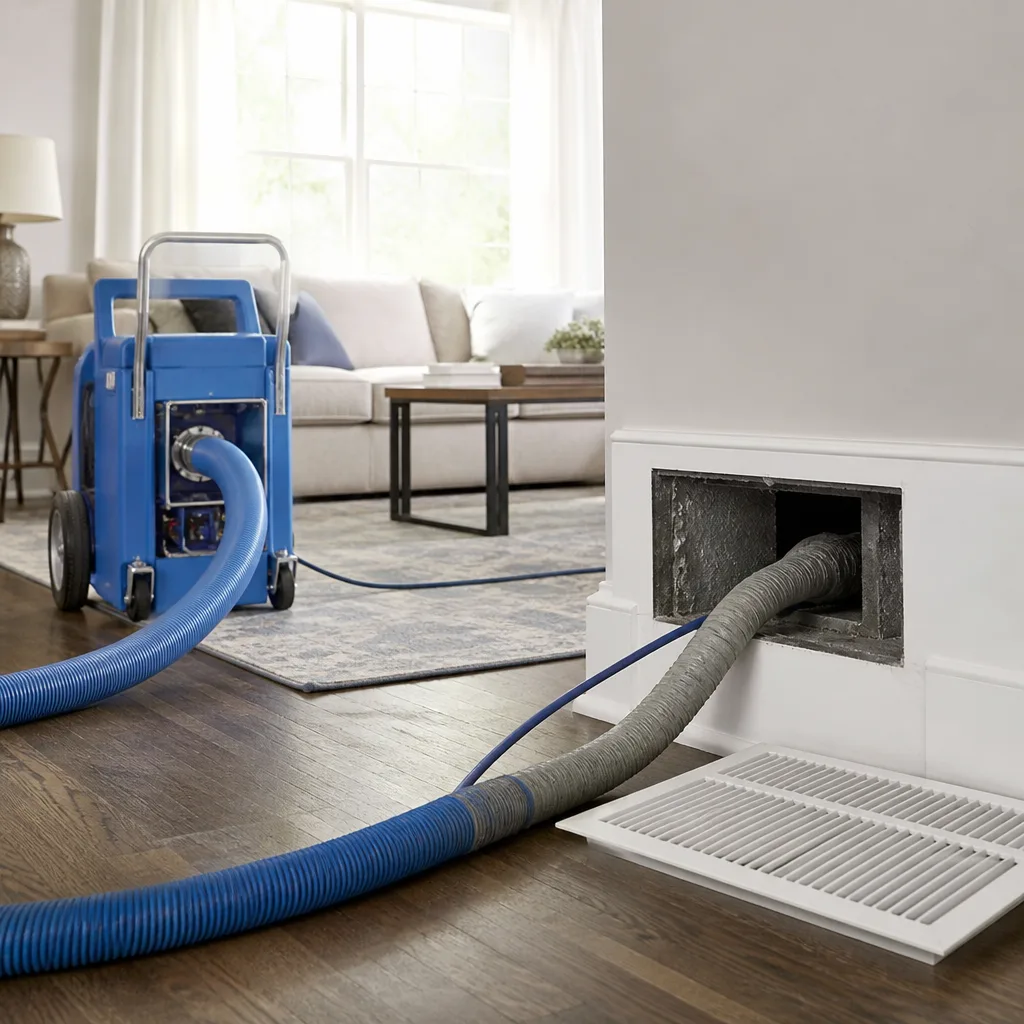 Whole-home duct cleaning
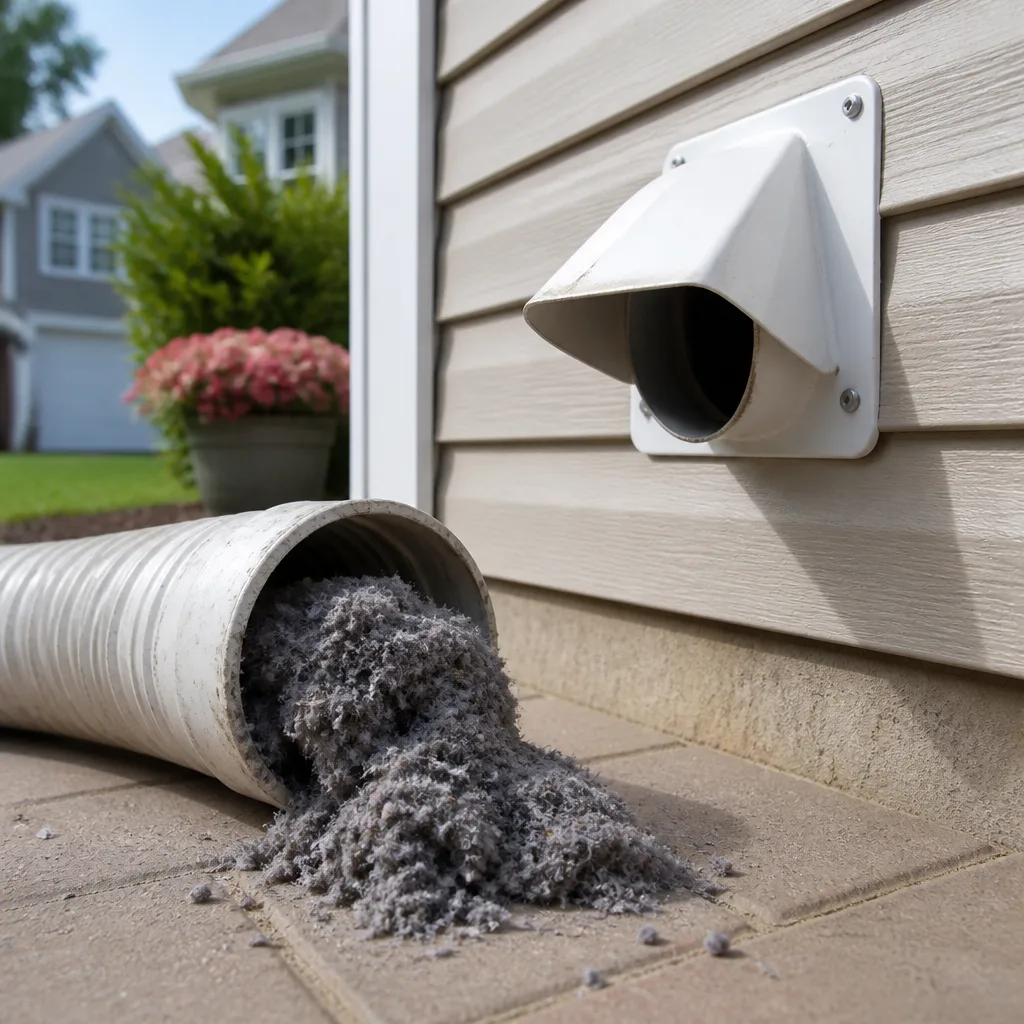 Dryer vent cleaning
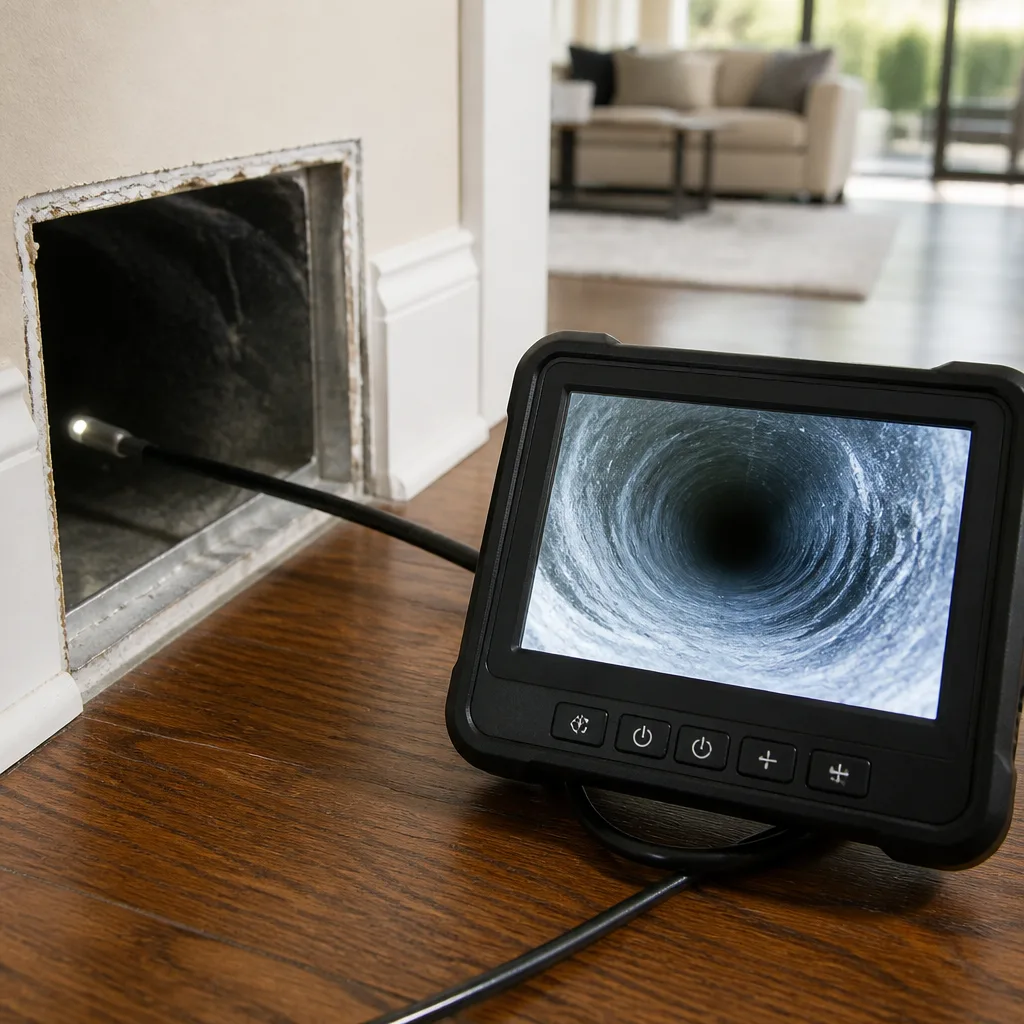 Camera inspection
 Sanitizing & deodorizing
Whole-system duct and dryer vent check with before-and-after photos - you see exactly what came out of your vents
That "$99 whole-house special" is a bait ad - the real number appears once they are in your hallway, or the "clean" is a shop-vac at the register. We photograph the inside of your ducts before and after instead.
Air Duct Cleaning Warning Signs: A Fountain Valley Homeowner’s Reference Guide
Dust on a register is not a warning sign. It’s surface accumulation, and nearly every home in Fountain Valley has some. The signals that actually matter are subtler: rooms that drift several degrees apart no matter what the thermostat says, an odor that shows up only when the system kicks on, a filter that loads up faster than it should. Each of those points to something specific happening upstream inside the duct system, and each has a different fix. This guide explains what each visible or sensory signal means, what a technician checks first when access panels come off, and how to tell a duct-side problem from an equipment-side one before you spend money on the wrong service.
Quick Answer
The clearest warning signs that a Fountain Valley home needs duct cleaning are: filters loading in under 3 weeks, uneven room temperatures that persist after HVAC servicing, musty odors that appear only during system operation, and visible debris at supply registers that isn’t the typical first-run dust. One or two of these signals on its own is not urgent. Three or more together usually means the duct system has accumulated enough material to affect both airflow and air quality, and a professional inspection is worth scheduling.
Styles & brands we work with
- Whole-home duct cleaning
- Dryer vent cleaning
- Camera inspection
- Sanitizing & deodorizing
Table of Contents
- Pressure Imbalance: The Most Misread Warning Sign
- Uneven Room Temperatures: Duct-Side vs. Equipment-Side
- Reading Odor Profiles: Mold vs. Evaporator Coil vs. Pest
- Filter Loading Rate as a Diagnostic Tool
- Visible Debris at Supply Registers: Three Types, Three Causes
- Why Symptoms That Track HVAC Operation Point to Ducts
- What Fountain Valley’s Climate Does to Duct Systems
- Repair and Sealing: The Step Most Cleanings Skip
Pressure Imbalance: The Most Misread Warning Sign
Pressure imbalance shows up as a house that feels inconsistent rather than uncomfortable. A bedroom door that pulls itself shut when the HVAC fan runs. A bathroom that smells faintly of the attic when the system cycles. A register that pushes air with noticeably less force than the one across the hall. These are all airflow signals, and they tell you the duct system is not delivering the same volume to every part of the house.
Three things cause this in the typical Fountain Valley house. The first is a return-side restriction: a single central return that can’t pull enough air, so supply registers in distant rooms run weak. The second is disconnected or crushed flex duct in the attic, where a run has sagged, kinked or pulled loose from a boot. The third is leakage at joints, which is quieter to spot but shows up as static pressure the blower has to fight against.
When we open access panels, the first thing we check is not the dust. It’s the duct runs themselves. A technician traces the supply and return trunks to confirm geometry, then checks for disconnections, sags in flex runs, and register boots that are loose at the ceiling. Dust on the inside of a duct is often incidental. A crushed run or a disconnected boot is the actual problem, and cleaning alone will not fix it.
A simple homeowner test you can do without any tools: hold a strip of tissue to each supply register with the fan running. The tissue should flutter similarly across all registers. If one or two barely move, you’ve found a duct-side symptom worth mentioning when you call for a professional assessment.
Uneven Room Temperatures: Duct-Side vs. Equipment-Side
Uneven temperatures are one of the hardest signals to interpret because the cause can sit in two completely different parts of the system. A duct-side problem and an equipment-side problem both present as a room that won’t hold temperature, and homeowners frequently pay for HVAC service when the real issue is ductwork.
Here is how a technician distinguishes the two:
- Measure supply air temperature at the closest register to the air handler. If the air leaving the equipment is at the expected temperature for the mode (heating or cooling), the equipment is doing its job.
- Measure the same register across the house. A temperature rise or drop of more than a few degrees between the near register and a far one points to loss in the duct run, not equipment failure.
- Check static pressure at the air handler. High static pressure means the blower is working against restriction: undersized returns, crushed flex, or a filter that is too restrictive for the system.
- Inspect the far run for disconnection, sag, or boot leakage. This is the step that most often finds the culprit in two-story Fountain Valley homes where the far room sits at the end of a long attic run.
- Confirm equipment capacity and refrigerant charge only after the duct side is cleared. A perfectly charged system cannot overcome a duct run that’s leaking 25 percent of its air into the attic.
When the diagnosis lands on a duct-side issue, the fix is usually a combination: clean the system, then seal the leaks and repair the problem run. Cleaning a leaking duct system by itself is short-lived, because the same leaks that let conditioned air escape also let unfiltered attic air in. That is why we offer air duct cleaning with duct repair and sealing as a paired service rather than a cleaning-only visit.
Reading Odor Profiles: Mold vs. Evaporator Coil vs. Pest
Odors are the most misdiagnosed duct signal, because all three main sources can produce “a smell” and only one of them is a mold problem. The distinguishing feature is the timing of the odor relative to HVAC operation, and the character of the smell itself. Pay attention to both.
Mold growth in ductwork
Mold inside ducts produces a musty, earthy, damp-cardboard smell that is strongest during the first few minutes the system runs after being off for hours, then fades as air continues moving. In Fountain Valley’s mild climate, mold growth is rarely from cold weather. What drives it here is moisture from a condensate issue, a duct run that has pulled in humid air from a wet attic, or an evaporator coil pan that isn’t draining properly.
Dirty evaporator coil
A soiled coil produces a smell that intensifies the longer the system runs, because the coil surface warms as condensate and biological growth build up. It’s less sharp than mold and more of a stale, metallic, locker-room character. Timing is the tell: it’s worst late in the cycle, not at startup.
Pest intrusion
Rodent or insect activity in ductwork has a distinct and unmistakable profile. It’s usually intermittent, not tied to run cycles, and it has a sharp, animal smell that gets worse in warm weather. Droppings and gnaw marks at access panels or register boots point to this. Insulation tearing in the attic is one of the first things to check if pest intrusion is suspected, because rodents travel along duct runs where the insulation is disturbed.
If a smell tracks the run cycle but doesn’t match any of these three profiles, the source may sit outside the duct system: a wet crawl, a plumbing leak behind a wall, or a bathroom exhaust fan that is no longer venting to the exterior. A duct inspection will tell you whether the smell is upstream or downstream of the register.
Filter Loading Rate as a Diagnostic Tool
Filter loading rate is the single most useful diagnostic a homeowner can track without any tools, and almost nobody does it. A MERV-8 filter in a typical Fountain Valley home should last 60 to 90 days. Write the install date on the filter itself with a marker, and check it every few weeks.
Here’s what different load rates tell you:
- Normal, 60-90 days: Filter goes from clean to visibly gray across the surface. This is expected. Keep on the same schedule.
- Fast, 3-5 weeks: Filter is gray by mid-cycle. This usually means the return duct is pulling in dust from a leaky or dirty return-side run, or that recent renovation work has loaded the system.
- Very fast, under 3 weeks: Filter darkens visibly within a couple of weeks or shows a pressure-drop symptom (weak airflow at registers before the filter change interval). This points to something upstream that has already failed: a disconnected return in the attic, a mechanical room that opens into the return path, or insulation failure inside a duct that is shedding material into the airstream.
- Filter stays clean, but rooms stay dusty: This is the reverse signal, and it usually means air is bypassing the filter at the frame. Check that the filter fits snugly and that the housing isn’t warped.
In our experience across Fountain Valley neighborhoods, fast-loading filters are frequently the first thing a homeowner notices before any visible symptom shows up at the registers. Tracking the rate over three filter cycles is enough to confirm a pattern. If the pattern is under 3 weeks, the return side is worth inspecting before you buy another filter.
Visible Debris at Supply Registers: Three Types, Three Causes
Debris at supply registers is often the most alarming signal and the least reliable one on its own. Three very different causes produce visible residue, and the color and texture of the debris usually tells you which one you’re looking at.
First-run dust
When a system sits unused for a stretch, or when a home has been closed up during a warm stretch, the first few minutes of operation push loose dust out of the ducts and onto nearby surfaces. This is fine, light-gray, and settles quickly. It’s not a sign of contamination. Cleaning after a first-run dust event is often a waste of money.
Insulation fiber shedding
Fiber shedding looks different: fine, shiny, glassy gray or pinkish fibers, often caught on the register grille or settled directly on furniture below a supply. This points to deterioration of the internal duct liner or a return-side duct whose insulation has broken down. Cleaning will remove what’s loose, but if the liner is failing, cleaning is a stopgap. The repair and sealing step is what fixes it, and it’s a service most duct cleaners don’t offer.
Biological growth
Biological growth produces visible dark speckling, patchy staining on the register face, or a slightly fuzzy texture on the grille and the visible duct surface behind it. It’s usually paired with the mold odor described above. Visible growth at a register means the growth has already extended upstream, and a professional assessment is warranted before you run the system again.
Telling these apart is the main reason we carry Abatement Technologies HEPA-filtration equipment on every job. When we open a system with visible growth, we’re capturing fine particulates as we clean rather than blowing them into the room. That’s the same negative-air standard used in mold and hazardous-material work, and it’s the reason the equipment matters more than the promise.
Why Symptoms That Track HVAC Operation Point to Ducts
If allergy or respiratory symptoms are worse when the HVAC system is running and noticeably better when it’s off, the source is almost certainly in the duct system. That’s the single most useful pattern to notice, and it’s different from ambient air quality complaints, which stay consistent whether the system runs or not.
The reasoning is straightforward. When the fan runs, air passes through the entire duct network, picks up whatever is sitting on the interior surfaces, and delivers it to occupied rooms. When the fan is off, that delivery stops. The on-off correlation narrows the source to the duct path rather than the outdoor air, the wall cavities, or the furniture. Tracking the pattern for two weeks (simple notes on your phone, one line per day) is enough to confirm the timing.
We’re careful not to overstate this. Duct cleaning is not a medical treatment, and no company can promise a health outcome. What we can say is that a system that consistently delivers visible dust on the supply side is delivering the same material into the breathing zone. Cleaning and, more importantly, sealing that system is the process-level fix. The outcome you should expect is a system that isn’t contributing material to the airstream, measured by what your filter and registers look like afterward, not by a symptom promise.
For homeowners in Fountain Valley who want the system itself addressed, a maintenance HVAC cleaning visit covers the air handler and the coil where much of this material originates, and it’s worth scheduling alongside the duct work rather than as a separate call later.
What Fountain Valley’s Climate Does to Duct Systems
Fountain Valley sits in a mild, dry-summer climate, and that shapes how duct systems age here in ways that differ substantially from colder parts of the country.
- Long cooling seasons mean the evaporator coil runs often. More run hours mean more condensate on the coil and more opportunity for biological growth on the coil surface. Coil cleaning matters more here than in climates that only cool a few months of the year.
- Mild winters mean heating cycles are short. Short cycles don’t dry out a system as thoroughly, so any moisture that does enter a duct run lingers longer between heating seasons.
- Dust and pollen seasons run long. The long dry stretch keeps particulate suspended in outdoor air, which drives duct load through the return side.
- Homes tend to have the HVAC system in the attic. That’s useful for access, but attic heat and attic dust are harder on duct insulation, and flex runs in a hot attic sag and degrade more quickly.
None of this means every Fountain Valley home needs service. It means the intervals between install-and-replace events on insulation, flex duct and access panels are worth paying attention to, and signals that would be minor in a colder climate deserve a professional look here because the system runs so much of the year.
Repair and Sealing: The Step Most Cleanings Skip
Cleaning a duct system without repairing it is a short-lived result, and this is the point where most discount duct cleaning runs into the wall. If a supply run has a 1-inch gap at the boot, or the return trunk has a joint that has separated under the attic insulation, the cleaned system will draw unconditioned attic air back into the house as soon as the fan runs. The dust returns because the entry path never closed.
This is why we treat duct repair and sealing as a standalone service and, more often, as the follow-through step on a cleaning. The process looks like this:
- Inspect the full duct path with the system pressurized and the register boots exposed, so leaks are visible under load.
- Clean the interior surfaces with a Rotobrush system, which uses brush agitation and vacuum extraction rather than compressed-air blow-out.
- Seal leaks at boots, joints, and any separated runs using appropriate mastic or foil-tape methods for the duct type.
- Repair or replace failed runs: sagging flex, torn internal liner, or crushed sections.
- Verify airflow after the repair by re-measuring register flow and static pressure to confirm the system is delivering what it should.
For systems where duct-level sealing helps but the filter is undersized, we can integrate Aprilaire or Honeywell air quality products to give the system proper filtration at the level the equipment was designed for. This is the “clean it, seal it, keep it clean” sequence, and it’s what makes the cleaning result last. If you are considering dryer vent cleaning as well, that’s a separate system with its own warning signs (slow drying times, heat build-up at the dryer, lint visible at the exterior vent), and it’s worth doing at the same visit.
Common Mistakes to Avoid
- Cleaning in response to one visible symptom. A single dusty register, one fast-loading filter, or one weak register does not by itself justify a cleaning. Two or three signals together, tracked over a couple of weeks, is a much better trigger.
- Paying for a cleaning without a repair step. If the system has leaks or a failed run, a cleaning alone will be undone within a season. Ask whether the quote includes repair and sealing, and if it doesn’t, ask why not.
- Treating a duct smell as an HVAC problem (or an HVAC smell as a duct problem). The timing pattern usually tells them apart. If the smell shows up at startup and fades, suspect the duct side. If it grows through the cycle, suspect the coil or a moisture issue at the equipment.
- Trusting a filter interval instead of tracking your own rate. The 60-90 day cycle is a starting point. In Fountain Valley’s long cooling season, actual load varies from house to house. Install date on the filter is the only reliable measure.
- Accepting a compressed-air “cleaning.” Blowing air through a duct without containment pushes fine particulate into the room, which is exactly what you don’t want if the visible sign was growth. Ask whether the equipment uses HEPA containment and mechanical agitation.
- Skipping the return side. Most homeowners focus on supply registers because that’s what they can see. The return is where most of the material enters, and a cleaning that ignores it is incomplete.
- Assuming a changing symptom is a settled fact. If the fast-loading filter pattern stops after a filter change or a renovation, the cause was transient. Patterns that persist for three cycles are the ones worth acting on.
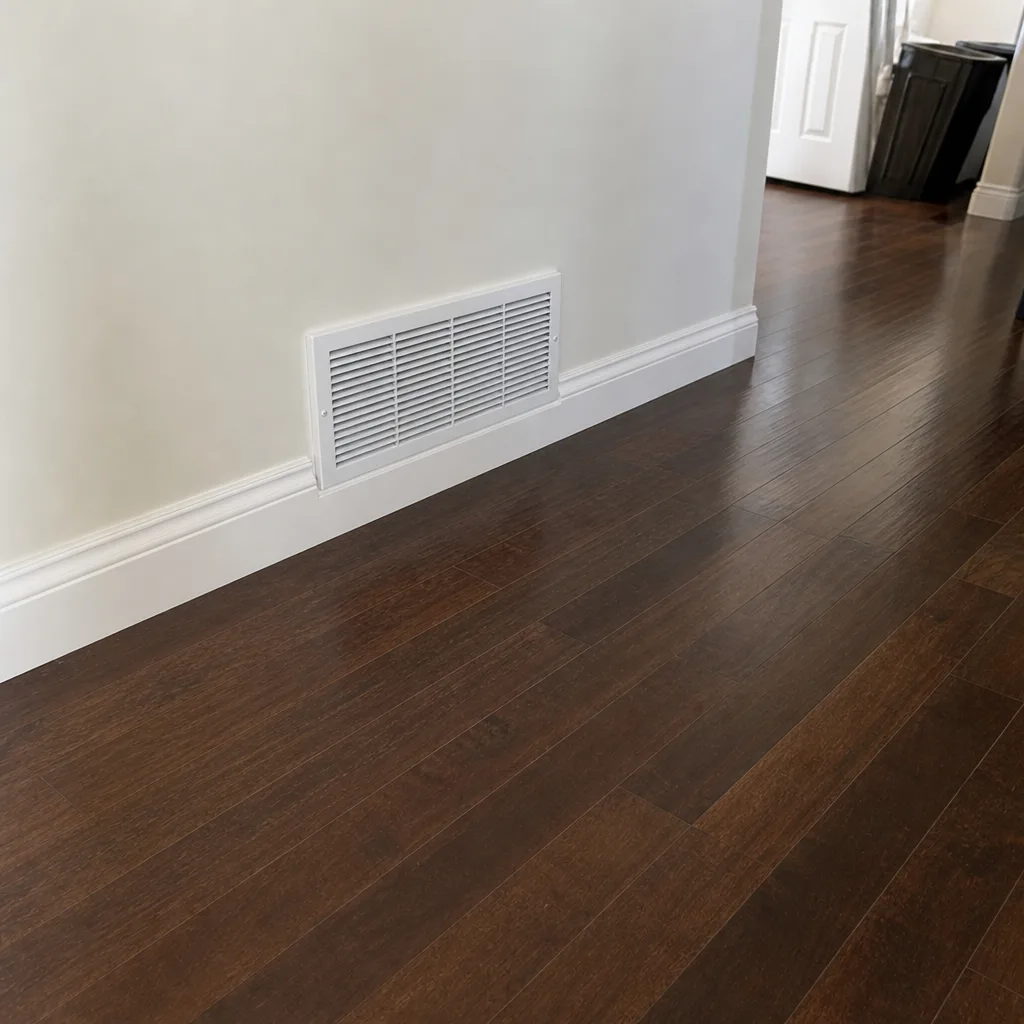
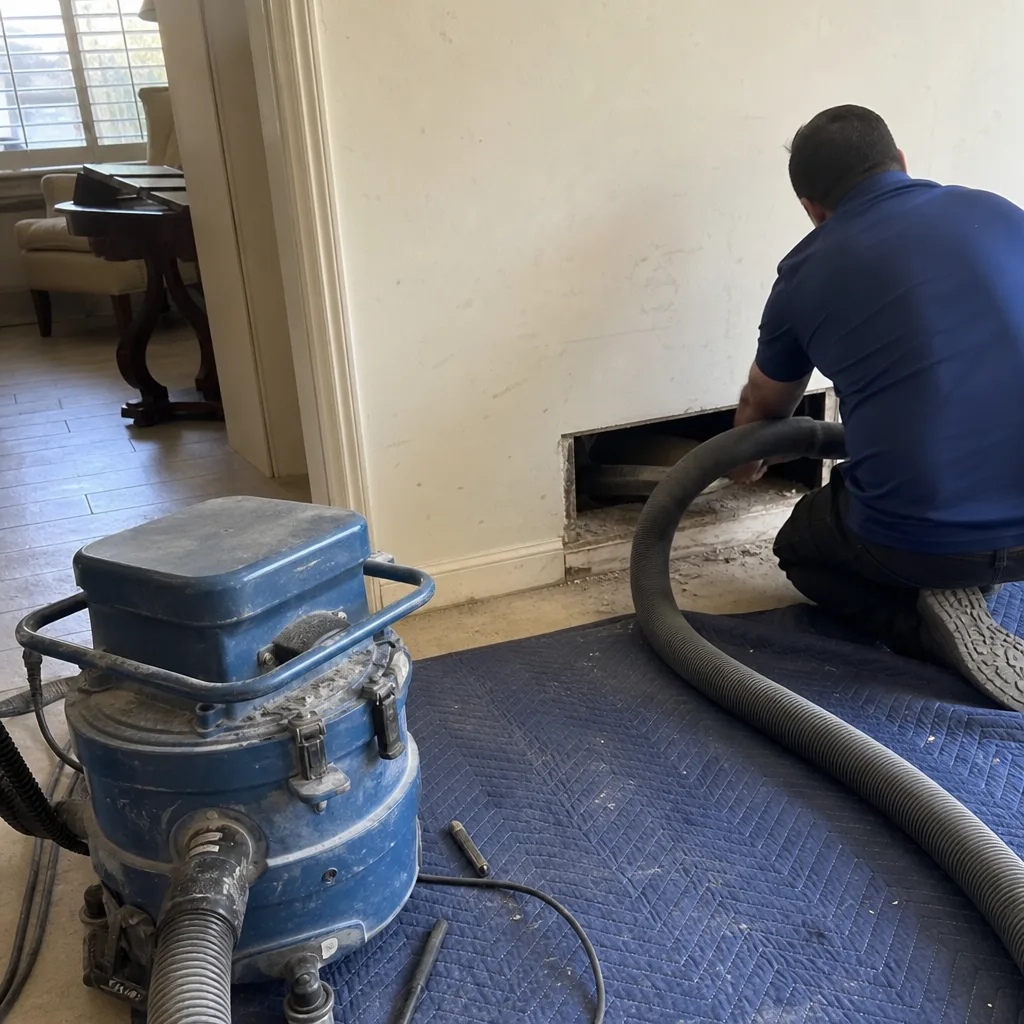
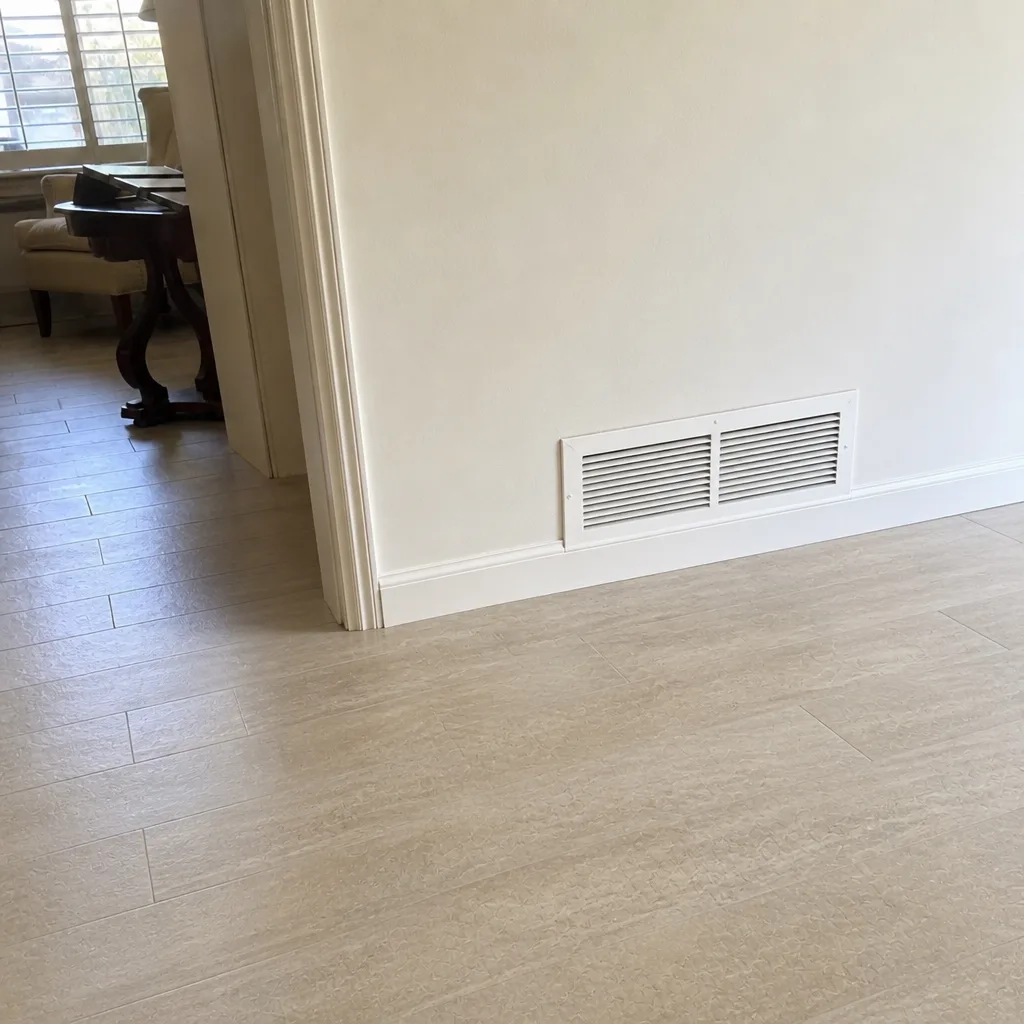
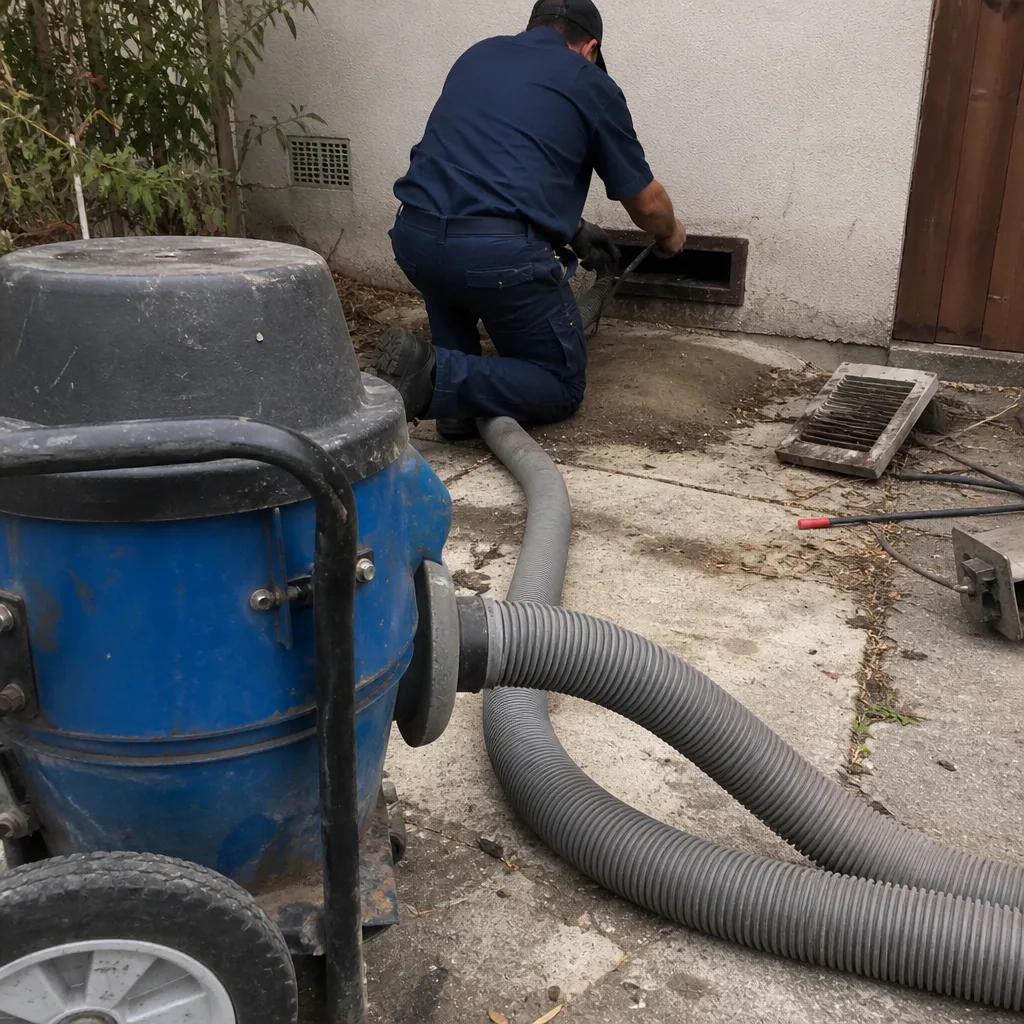
See the difference
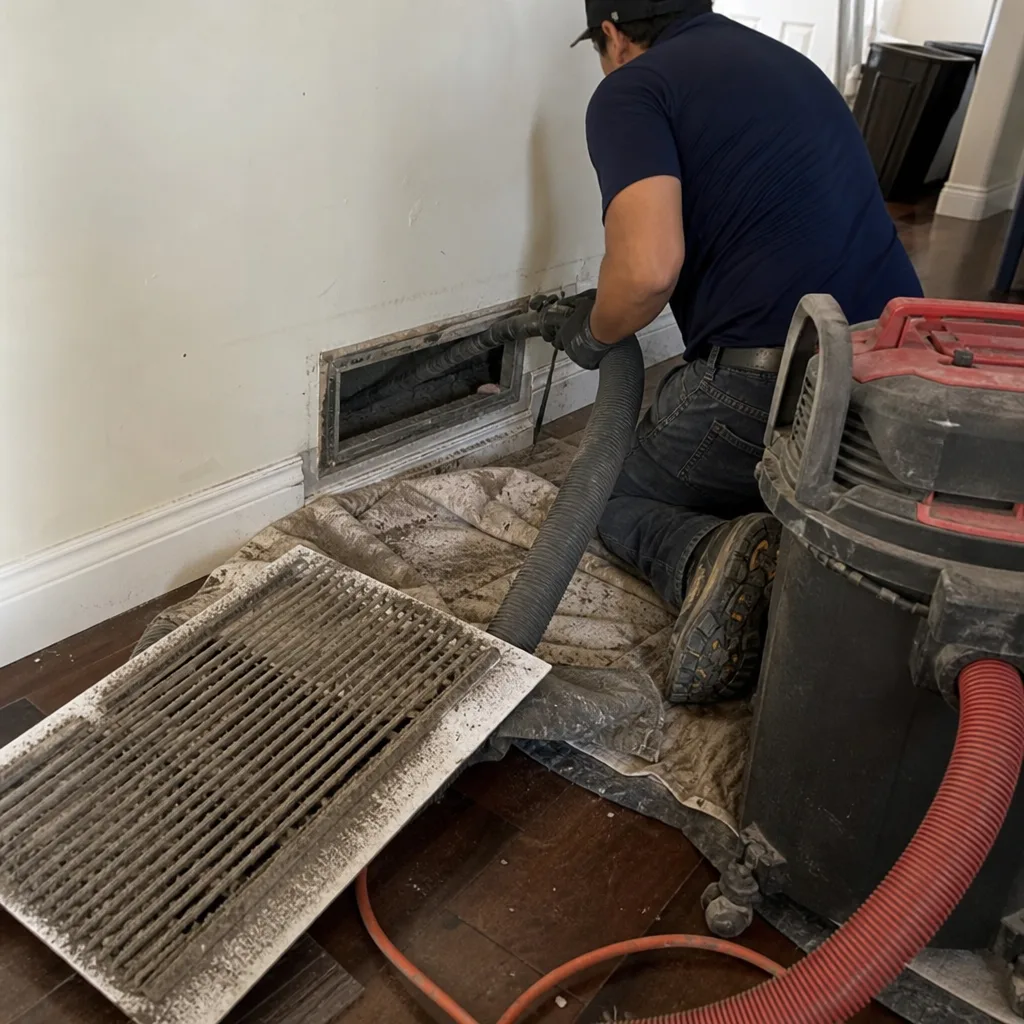 Before
 After
 Before
 After
 Before
 After
When to Call a Professional
Call when two or more of the following are true: your filter maxes out in under 3 weeks across three filter cycles; rooms stay uneven in temperature even after HVAC servicing; a musty or pest odor tracks the run cycle; you see dark speckling or biological growth at a register; or allergy symptoms get worse specifically when the system runs, not just generally. Call sooner rather than later if the sign is visible growth or insect or rodent activity, because that work needs HEPA containment and should not be a do-it-yourself project.
Fountain Valley Air Duct Cleaning offers free estimates in Fountain Valley and can inspect the system, explain what each signal points to, and give a written quote per job before any work starts. Our technicians have up to 9 years of experience, and we use professional-grade equipment rather than consumer shortcuts. Call (855) 658-3999. We answer 24/7. Fast dispatch from 7am to 7pm, Sunday through Friday.
Frequently Asked Questions
A filter that loads in under 3 weeks across multiple cycles is the most reliable single indicator, because it’s measurable and doesn’t depend on interpretation. Visible dust at registers can be first-run dust or insulation fiber, and odors can come from a dirty coil rather than the ducts. The filter rate is the cleanest signal because there’s nothing subjective about it.
Usually, yes, by timing. Mold in ductwork produces a musty smell that’s strongest at startup and fades as air moves. A dirty coil produces a stale, metallic smell that grows as the run continues. A pest odor is intermittent and doesn’t track the run cycle at all. All three benefit from a professional inspection to confirm.
Cheaper quotes usually reflect what isn’t included: HEPA containment, mechanical agitation, return-side cleaning, and repair or sealing of leaks. A vacuum-only pass is quick and inexpensive to deliver. It also tends to leave the dust source untouched, which is why the customer sees the same symptoms return within a season.
For most Fountain Valley homes with a functioning filter and no source of contamination, we recommend an inspection every few years and cleaning only when the inspection finds a real reason. Homes with pets, recent renovations, or visible growth benefit from more frequent checks. This is an inspection-driven service, not a fixed-interval subscription.
Cleaning alone is enough only when the inspection finds no leaks or failed runs. If the system has separated joints, sagging flex, or torn internal insulation, sealing the leaks before or after cleaning is what makes the result last. In our experience, repair and sealing is the step most duct cleaning companies skip entirely.
Yes. We cover the full duct ecosystem, including residential air ducts, the HVAC system itself, and dryer vents under one provider. Rolling the work into one visit reduces the disruption and lets a technician inspect the whole airflow system while access panels are open.
The Bottom Line
Dust on a register isn’t the signal. The signals are the ones that track the system: filters loading faster than 60-90 days, temperatures that stay uneven after HVAC servicing, odors with a run-cycle pattern, visible residue that is fiber sheddings or growth rather than surface dust, and symptoms that get worse when the fan runs. Two or more of those together justify a professional inspection. Cleaning without repair and sealing on a leaking system is a short-lived fix, and that’s the step worth asking about before you book anything. For a full Fountain Valley Air Duct Cleaning assessment that covers air ducts, HVAC, dryer vents, and repair-and-sealing under one visit, Fountain Valley Air Duct Cleaning can inspect the system and give a written quote per job. Call (855) 658-3999 for a free estimate. We answer 24/7. Fast dispatch from 7am to 7pm, Sunday through Friday.
Written by the team at Fountain Valley Air Duct Cleaning.