
Last updated November 23, 2026
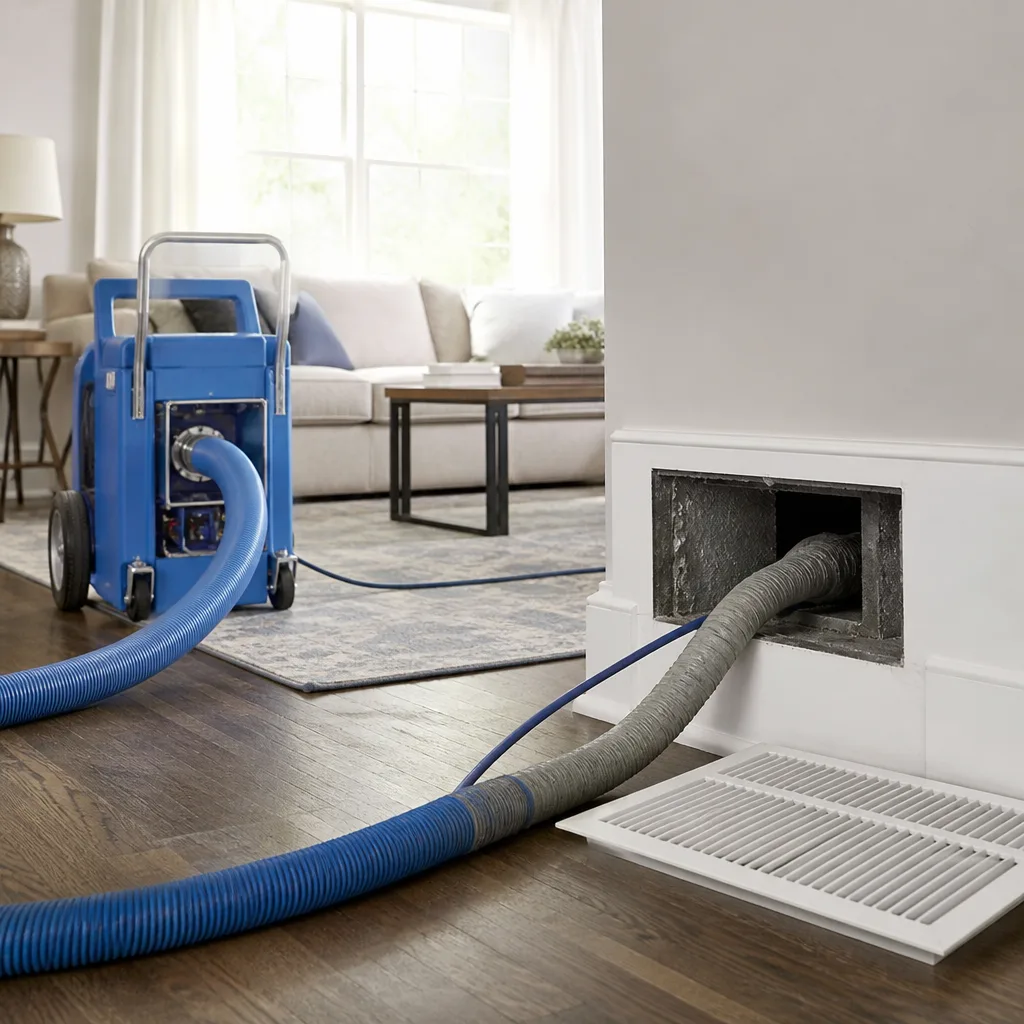 Whole-home duct cleaning
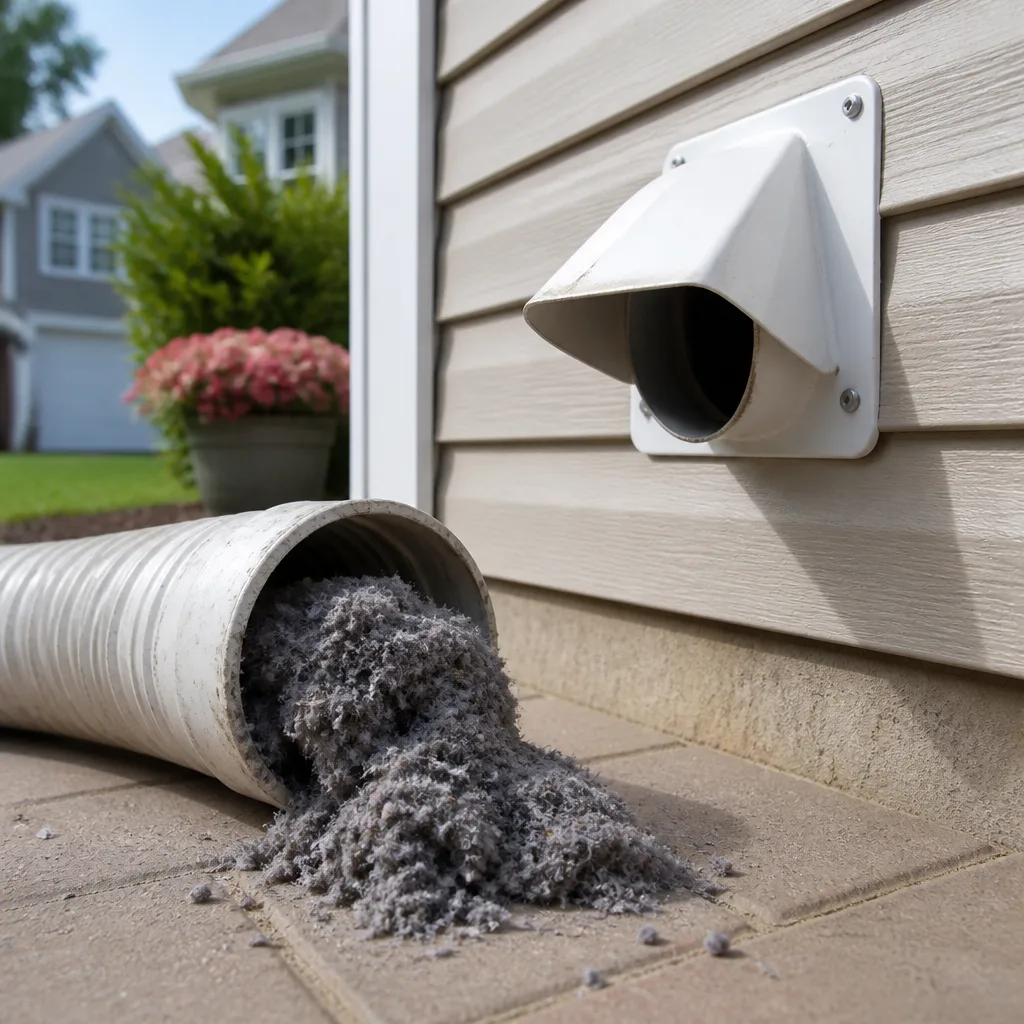 Dryer vent cleaning
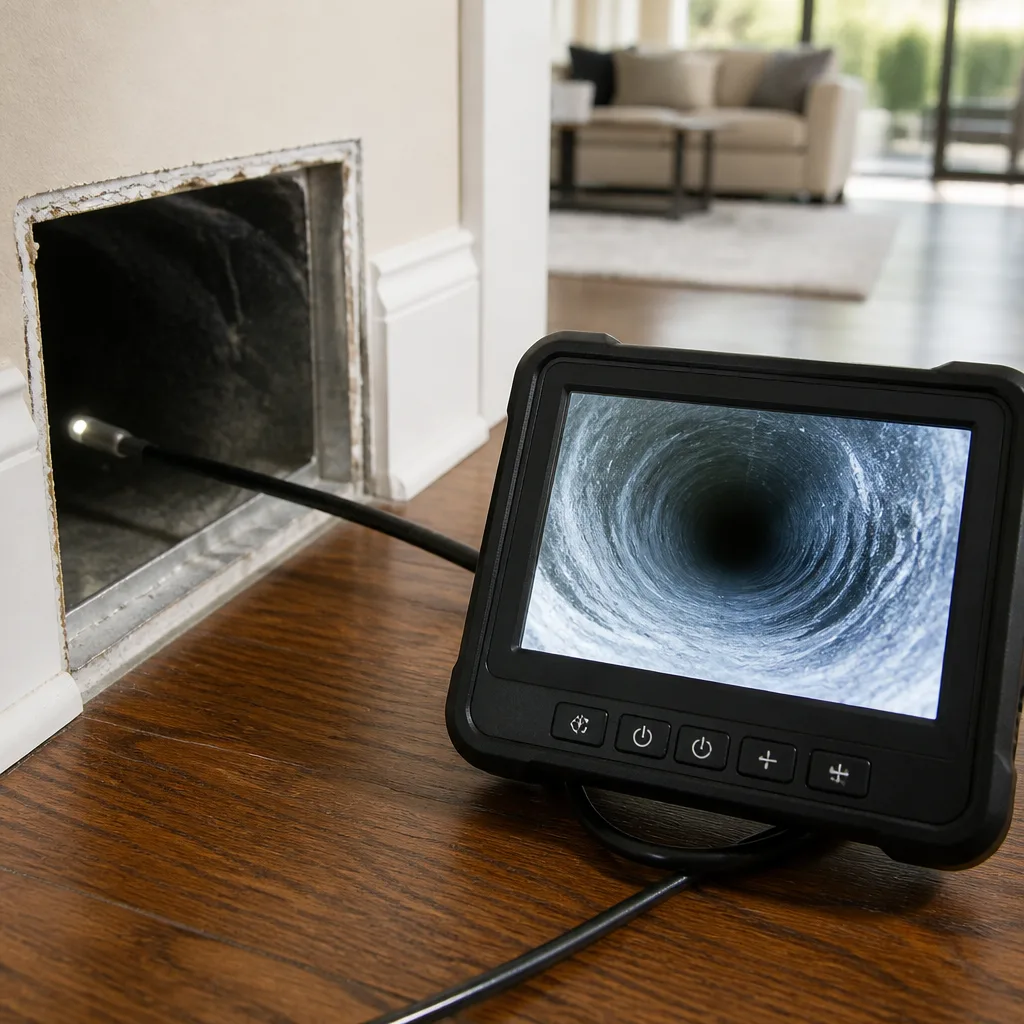 Camera inspection
 Sanitizing & deodorizing
Whole-system duct and dryer vent check with before-and-after photos - you see exactly what came out of your vents
That "$99 whole-house special" is a bait ad - the real number appears once they are in your hallway, or the "clean" is a shop-vac at the register. We photograph the inside of your ducts before and after instead.
Air Duct Cleaning Permits, Codes & Inspections in Fountain Valley, CA: What You Need to Know
Here’s the part most homeowners never hear: the cleaning itself is the unregulated half of this trade. Anyone with a vacuum and a business card can call themselves a duct cleaner in California, and no permit is required to run a brush through your supply lines. But the moment a technician cuts into ductwork, reconnects a disconnected trunk line, applies a registered antimicrobial, or touches the HVAC cabinet in a way that changes the system, you’ve crossed into mechanical code territory. Different rules apply, and a different license is legally required. This guide walks through where that line sits in Fountain Valley, what Orange County’s building department actually looks at, and how to keep a paper trail that protects your home’s resale value.
Quick Answer
Air duct cleaning on its own does not require a permit in Fountain Valley or anywhere in California. Permits and licensed C-20 HVAC contractors come into play when the work involves duct repair, system modification, mold remediation, or the application of antimicrobial chemicals, all of which fall under California mechanical code, state contractor licensing, and in some cases California EPA registration rules. Routine cleaning and sanitizing with registered products does not trigger a permit, but the work should still be documented.
Styles & brands we work with
- Whole-home duct cleaning
- Dryer vent cleaning
- Camera inspection
- Sanitizing & deodorizing
Table of Contents
- Where Cleaning Ends and Repair Begins
- Which Duct Tasks Trigger a Permit in Fountain Valley
- Antimicrobial Treatments and California EPA Registration
- When a Licensed C-20 HVAC Contractor Is Required
- Mold in Ductwork and California Department of Public Health Guidance
- Protecting Resale Value: What Home Inspectors Flag
- What Documentation a Fountain Valley Homeowner Should Keep
- How a Permitted, Documented Job Runs From Start to Finish
Where Cleaning Ends and Repair Begins
The single biggest source of confusion in this trade is the word “repair.” A duct cleaner will often describe a job as “cleaning and sealing” when what they actually did was slice open a section of flex duct, tape it back together, and move on. That’s a repair, and in California it runs into mechanical code requirements.
Think of it this way. Cleaning is maintenance. Repair is alteration. The California Mechanical Code treats alterations to a duct system differently from routine maintenance, because a repair can change how the system moves air, how it’s sealed, and whether it meets the requirements it was permitted under when the house was built.
Here’s the practical split we walk homeowners through:
- Firmly in “cleaning” territory: brush-and-vacuum agitation of supply and return ducts, negative-air HEPA capture, register and grille cleaning, blower compartment cleaning, and dryer vent cleaning.
- Firmly in “repair or modification” territory: cutting into a trunk line to reconnect a disconnected run, replacing a section of duct, installing new takeoffs, adding or relocating a register, sealing a major leak at the plenum, or changing the duct system’s layout.
- In the gray zone: spray-on sealant applied inside the ductwork, antimicrobial fogging, and duct encapsulation. These depend on the product and how it’s applied.
In Fountain Valley, where a lot of the housing stock is older single-story ranch construction with attic ductwork, the gray zone matters more than people expect. Attic flex duct in warm, dry inland Orange County degrades and comes apart at the joints, which is exactly the kind of failure that turns a “cleaning” into a repair whether anyone planned it that way or not.
If you’re booking air duct cleaning, ask upfront whether the technician expects to find disconnected or damaged runs and how they handle it if they do. A company that separates the cleaning invoice from the repair invoice, and tells you which is which, is telling you the truth about what they did.
Which Duct Tasks Trigger a Permit in Fountain Valley, CA
Fountain Valley’s building department operates under the Orange County building code framework, which adopts the California Mechanical Code with local amendments. In practice, most duct cleaning work never touches a permit counter. But a handful of tasks do, and it’s worth knowing which ones before you hire.
These are the tasks that typically require a mechanical permit in Fountain Valley:
- Installing new ductwork. New supply or return runs, added zones, or a system extension to a converted garage or addition.
- Replacing a significant portion of the duct system. Swapping out an entire trunk and branch layout, or a large share of the runs.
- Modifying the HVAC system’s airflow design. Relocating a register, resizing a run, or changing the number of supply outlets connected to the system.
- Replacing the air handler or furnace. A like-for-like replacement usually has its own permit; any duct modification that goes with it joins that permit.
- Installing a new whole-home air quality device tied into the ductwork. Bypass humidifiers, whole-home media filters that require cabinet modification, and in-duct air purifiers can all require a permit depending on scope.
These tasks typically do not require a permit:
- Cleaning existing ducts and registers.
- Sealing leaks at existing joints with mastic or approved tape.
- Reconnecting a duct that came loose, provided it goes back into its original location and configuration.
- Applying a registered antimicrobial to existing ductwork as part of a cleaning job.
- Dryer vent cleaning.
The honest answer, though, is that this line shifts with the scope of the job and with how the local building department reads the work order. A reconnected run is usually not a permit. A reconnected run plus a new takeoff plus a changed register location is. If a company tells you with total confidence what does and doesn’t need a permit before they’ve looked at your system, they’re guessing.
You can confirm the requirement for your specific address by calling Fountain Valley’s building department directly. The city is small enough that they answer quickly and give real answers, not a runaround.
Antimicrobial Treatments and California EPA Registration
Here’s a question almost no homeowner asks, and every homeowner should: Is that chemical you’re fogging into my ductwork registered for use in an HVAC system?
Any product that claims to kill or inhibit mold, bacteria or other microorganisms on a surface is a pesticide under federal law and is regulated by the U.S. Environmental Protection Agency. California layers its own registration requirements on top through the Department of Pesticide Regulation. A product that’s registered for use on hard surfaces in a bathroom is not automatically registered for use inside an occupied air-handling system, where residue can end up in the air people breathe.
Before any chemical is applied to your ductwork, you should be able to see:
- The product label. Look for the EPA registration number, usually printed near the top of the label.
- The approved use site. The label should explicitly list HVAC systems, air ducts, or air handling as an approved application site. Don’t accept “it’s fine for ductwork” as a verbal assurance.
- The application rate and method. Fogging, misting, and wiping each carry their own label directions. A technician who’s following the label will know which.
- The safety data sheet (SDS). Any professional should be able to hand you one on request.
Professional companies use registered products from established manufacturers and follow the label, because that’s the only defensible way to work. We use Guardsman protective treatments for post-cleaning sanitizing and surface protection, precisely because the products are formulary-controlled and defensible. If a company can’t show you the label, the honest answer is no, and you should keep the ducts as they are.
One more thing worth saying plainly: cleaning first matters. Applying an antimicrobial over debris is a waste of the product and probably a waste of your money. Sanitizing only makes sense after the duct surfaces have actually been agitated and extracted. See Fountain Valley Air Duct Cleaning for how we sequence the work.
When a Licensed C-20 HVAC Contractor Is Required
California’s Contractors State License Board issues the C-20 Warm-Air Heating, Ventilating and Air-Conditioning license. That license authorizes a contractor to install, modify and repair HVAC systems, including ductwork. Cleaning, on its own, does not require a C-20 license in California, and that’s the regulatory gap that lets a lot of underqualified companies exist.
The moment the work becomes a repair or a modification, the C-20 requirement kicks in. That covers:
- Cutting into a duct system to change its configuration.
- Installing new ductwork of any kind, including a single new run.
- Replacing a section of duct that’s failed or been crushed.
- Any modification that affects the airflow design of the system.
- Any repair requiring a permit, because pulling a permit requires a licensed contractor.
Practically speaking, when you’re looking at HVAC cleaning or a duct repair quote, ask two questions before the truck arrives: Is the technician who’s going to do this repair working under a C-20 license? and If this repair needs a permit, who’s pulling it?
A company that connects homeowners with vetted local professionals will be able to tell you that the local pro is licensed and insured as the state requires and can confirm which license class is doing which part of the job. A company that dodges the question, or that says “we don’t need a license for cleaning,” is giving you an honest answer about cleaning and a dishonest answer about repair.
You can verify any California contractor’s license yourself through the CSRB’s online lookup. It takes thirty seconds and tells you whether the license is active, what class it is, and whether it’s ever been disciplined. It’s the single best pre-hire check a Fountain Valley homeowner can make on any contractor in this trade.
Mold in Ductwork and California Department of Public Health Guidance
Mold inside ductwork is a different category of work than a cleaning job, and the distinction matters legally. The California Department of Public Health publishes guidelines for mold remediation that describe when a mold problem crosses from “clean it up with a registered product” into a formal remediation project with containment, documentation, and clearance.
In general terms, the CDPH guidance separates small, localized surface growth from larger areas and from any growth that’s inside a building cavity or a mechanical system. Ductwork falls into the second category more often than people expect, because once mold establishes inside a duct run, it’s connected to an occupied air path. That changes both the containment requirements and the documentation expectations.
When duct mold falls under remediation-level protocol, you should expect:
- Source identification first. Mold in a duct usually points to a moisture problem somewhere else, often a disconnected run pulling humid attic air, a condensate leak at the air handler, or a poorly sealed system in a humid crawlspace. Cleaning without finding the source will just delay the problem.
- Negative-air containment. The work area should be isolated under negative pressure using HEPA filtration, which is why professional equipment matters. Abatement Technologies units are the negative-air standard in hazardous-material work, and they’re what belongs on a mold job, not a shop vac.
- Physical removal, not just fogging. Microbial growth that’s established on a duct surface needs to be physically removed. Antimicrobials alone don’t remove it.
- Post-remediation documentation. A written record of the scope, the method, the products used, and the containment approach.
- Clearance. In some cases a post-remediation verification, either by visual inspection or by a third party, is appropriate.
If a company tells you they found mold in your ducts and offers to fog it for a few hundred dollars, treat that as a red flag. Real remediation has a scope and a paper trail. If you’re not sure what you’re looking at, book dryer vent cleaning and ask the technician for an honest read while they’re there. A second set of eyes on the system never hurts.
Protecting Resale Value: What Home Inspectors Flag
Here’s where this guide gets real for Fountain Valley homeowners. Fountain Valley’s housing stock is a mix of mid-century and later construction, and the resale market is competitive. Buyers hire thorough inspectors, and those inspectors know what unpermitted duct work looks like.
The things that get flagged in a home inspection when duct repairs were done without documentation or by an unlicensed party:
- Non-standard sealing. Duct tape (the gray cloth kind) on flex duct joints, instead of mastic or approved foil tape, is a classic tell. It’s also a code violation in most installations.
- Mismatched duct materials. A section of rigid duct shoehorned into a flex run, or vice versa, with no documentation of why.
- Registers that don’t match the original pattern. A relocated or added register that isn’t on the original permitted plans, or that doesn’t appear in any subsequent permit record.
- Unsealed penetrations. Any new opening in the duct system that wasn’t sealed to code.
- System modifications with no permit record. A changed number of supply runs, an added zone, or a replaced air handler with no permit on file at the city.
None of these are catastrophic on their own. But a buyer’s inspector will write them up, and the buyer’s agent will use them to negotiate. The cost of a permit is a fraction of the cost of a renegotiated sale price, and it’s the homeowner’s choice whether to spend it upfront or at the closing table.
If you’re within a year of selling your Fountain Valley home and you can’t remember whether the duct repair you had done was permitted, the cleanest path is to check the permit record at the city. If there isn’t one and there should have been, get a licensed contractor to inspect and document what was done. That documentation is what gets you past the inspection report.
What Documentation a Fountain Valley Homeowner Should Keep
Documentation is the whole game. A perfectly done duct repair with no paper trail looks identical to a bad one to a future buyer. Here’s what you should walk away from a duct job with:
- A written scope of work. Before the job starts, you should have a written estimate that separates cleaning from repair from any chemical treatment. This is the document that proves what was and wasn’t done.
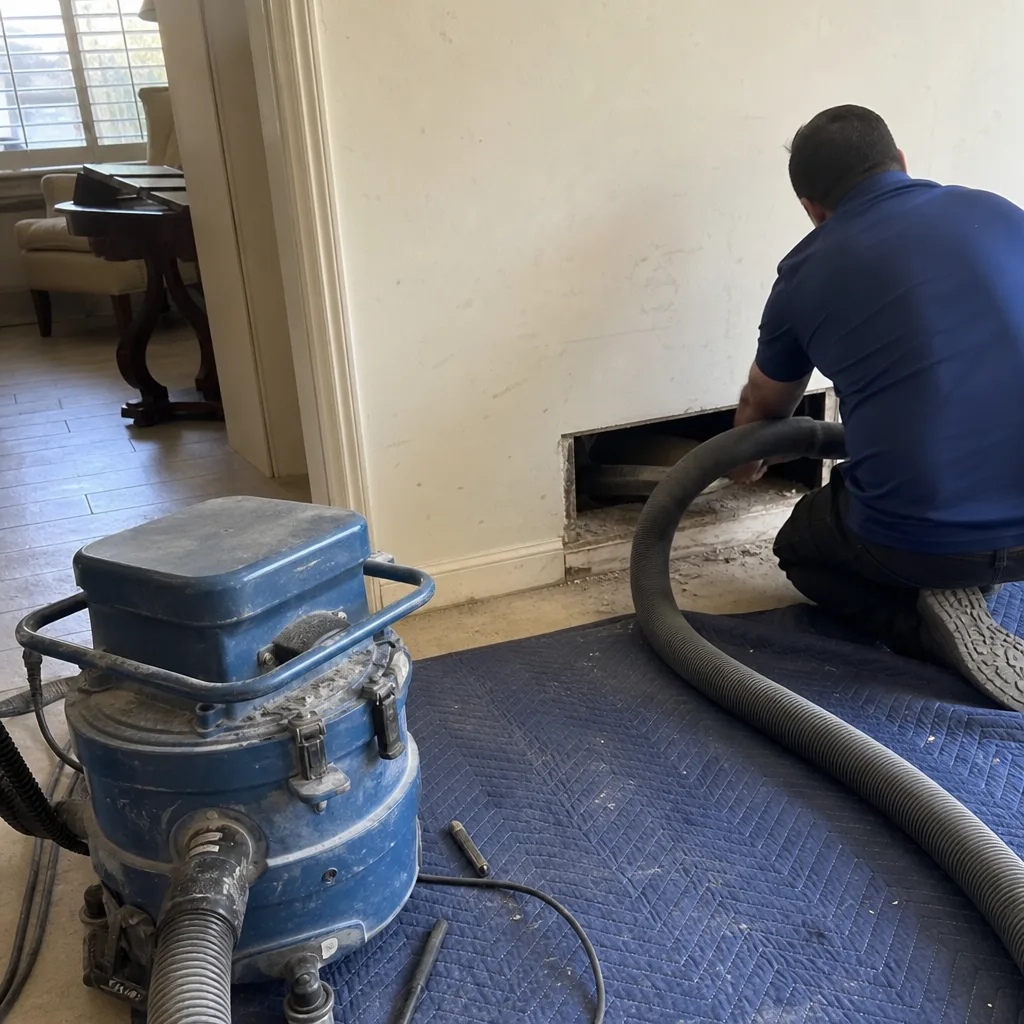
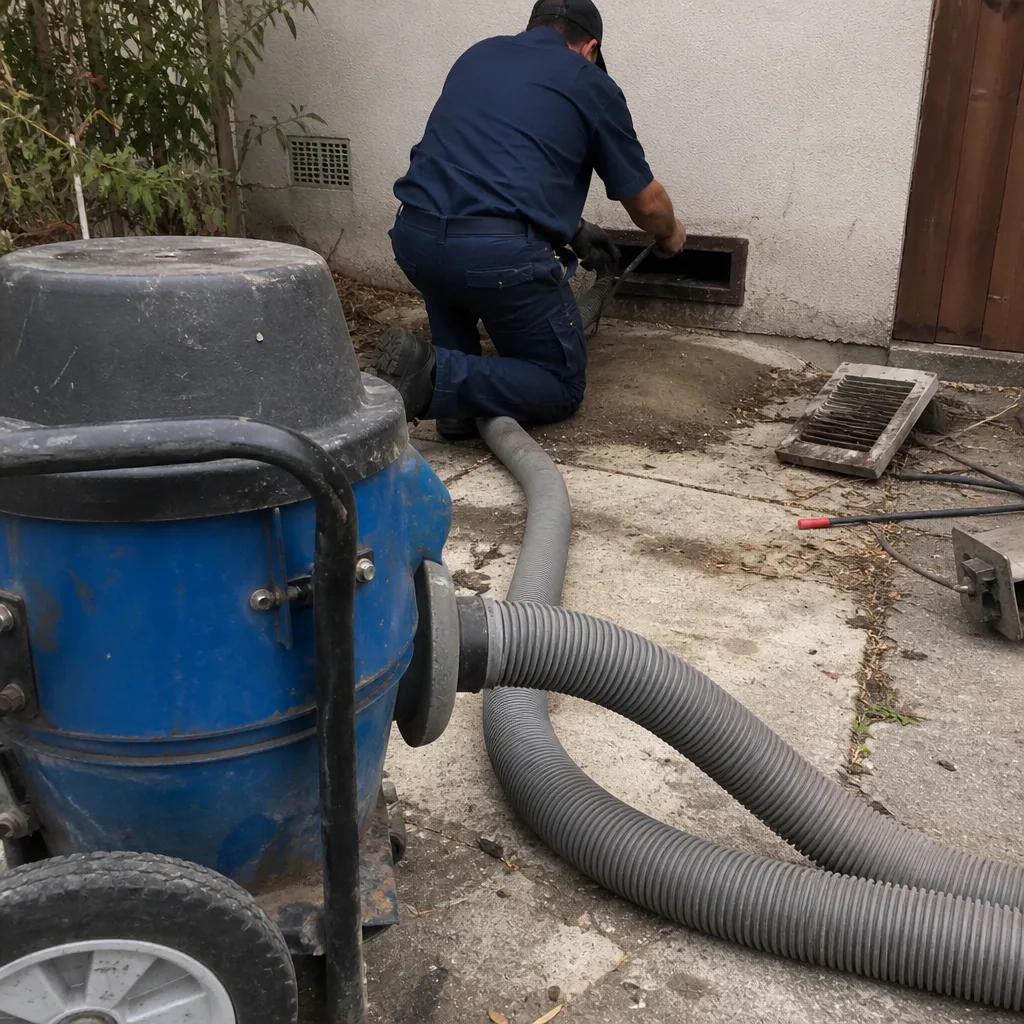
- Before-and-after photos of your own ducts. Not stock photos. Your ducts, your job. This is the single best documentation of cleaning that’s ever been done.
- Product labels and SDS sheets for any chemical applied. If antimicrobials were used, the label and the SDS belong in your file.
- The permit and inspection record, where applicable. If a permit was pulled, keep the permit number and any inspection sign-off.
- The contractor’s license number for any repair work. A CSRB license number on the invoice is the record that a licensed party did the work.
- The final invoice, which should state the actual scope performed. Not just the scope quoted. What was actually done.
A company with professional process will hand you most of these without you asking. If you have to argue for the photos or the labels, that’s information too.
How a Permitted, Documented Job Runs From Start to Finish
Here’s what the process looks like when it’s done right, from a Fountain Valley homeowner’s perspective. Nothing about this is exotic; it’s just process.
- Pre-job assessment. The technician walks the system: register count, air handler condition, attic or crawlspace layout, and whether any visible damage suggests a repair will be needed. This is where a company separates itself from the coupon crowd.
- Written estimate with a clear split. Cleaning is one line. Any repair is a separate line. Any chemical treatment is a separate line. A written estimate sets the final price, and the price is per job, not per vent.
- Containment and negative air. The work area is put under negative pressure with HEPA filtration before any agitation begins, so fine particulate doesn’t end up in your living space.
- Agitation and extraction. Rotobrush and Nikro equipment physically agitates and extracts debris, rather than blowing compressed air through the system and calling it cleaning.
- Repair and sealing, if needed. This is where the permit question gets answered. If the scope crosses the line, the repair should be handled by a properly licensed C-20 contractor and, where required, under a permit.
- Sanitizing with a registered product. Guardsman or an equivalent, applied per label instructions, after the surfaces are clean.
- Before-and-after photos and a written scope record. Delivered to the homeowner, not kept in a company file.
- Optional upgrade conversation. Where a whole-home air quality device makes sense, Aprilaire and Honeywell products integrate with the existing system. This is a conversation, not a sales close.
Every step above serves the same goal: clean it, seal it, keep it clean. The repair-and-sealing step is what most companies skip, and it’s why a cheap cleaning often leaves a homeowner with the same dust problem six months later.
Common Mistakes to Avoid
- Accepting “cleaning and sealing” as a single line item. If cleaning and sealing are bundled into one price with no scope detail, you can’t tell whether a repair was done, by whom, or whether it needed a permit. Ask for the split.
- Letting a chemical go into the ducts without seeing the label. Antimicrobial products must be registered for HVAC use. If the technician can’t show you the label and the SDS, the product doesn’t belong in your system.
- Assuming a C-20 license isn’t needed because “it’s just cleaning.” For cleaning alone, correct. For any repair or modification to the duct system, incorrect. The distinction is real and a home inspector will find it.
- Hiring a duct cleaner to handle mold remediation. Mold in ducts is a remediation category with documentation requirements. A cleaning company without negative-air HEPA equipment and remediation protocol shouldn’t be doing that work.
- Skipping the permit on a repair “because it’s small.” The permit record is what a future buyer’s inspector checks. A missing permit on a small repair is still a missing permit.
- Taking a coupon price as the whole price. A per-vent teaser price usually expands into a larger invoice once the technician is on site. A per-job estimate agreed before work starts is the honest version.
- Not keeping before-and-after photos. Photos of your own ducts are the cheapest documentation you’ll ever own, and most companies will provide them if asked.
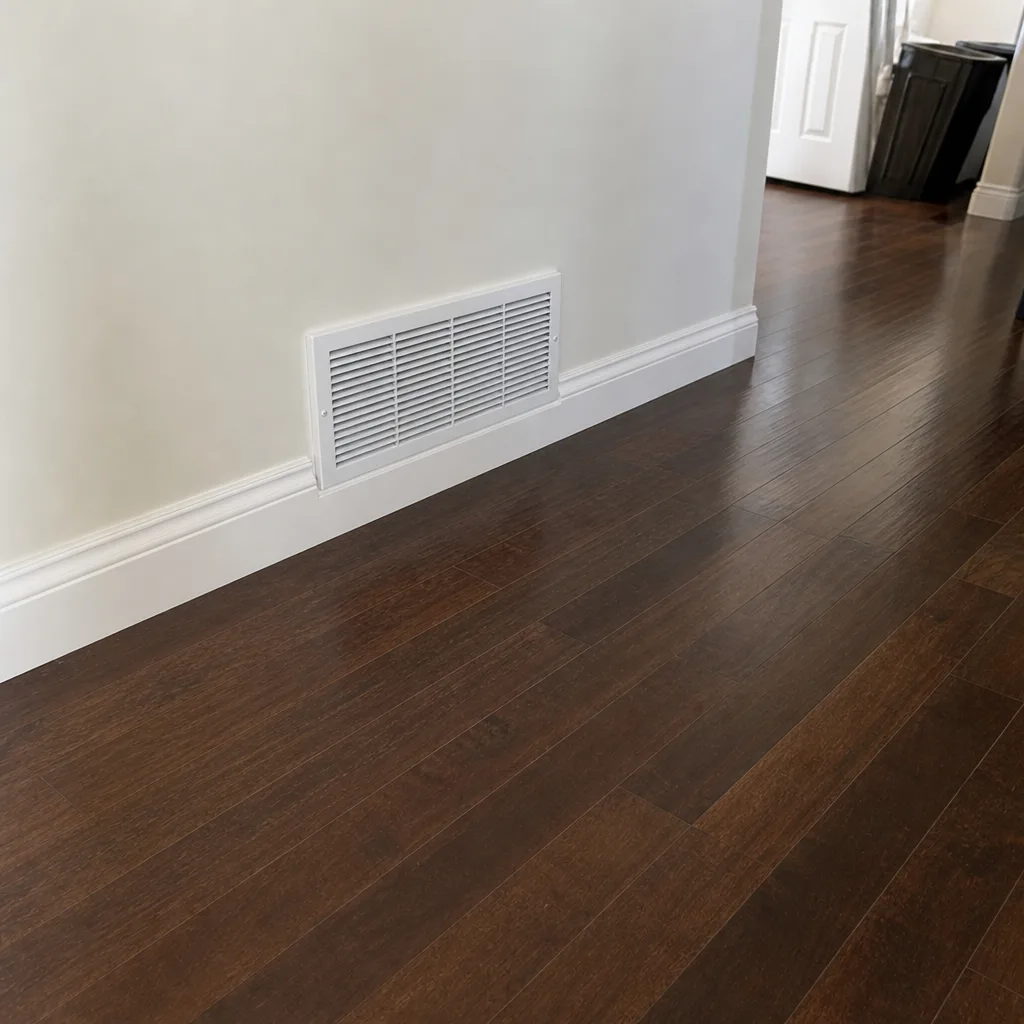
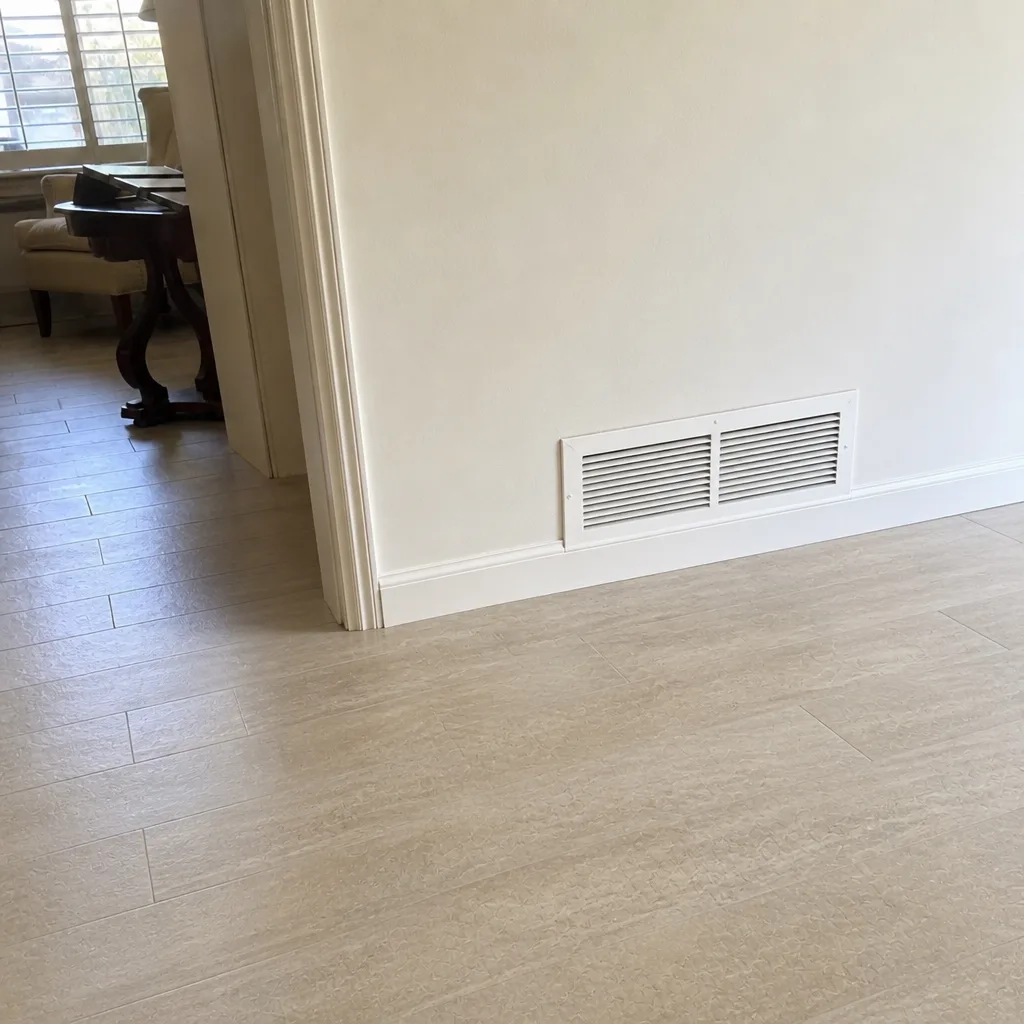
See the difference
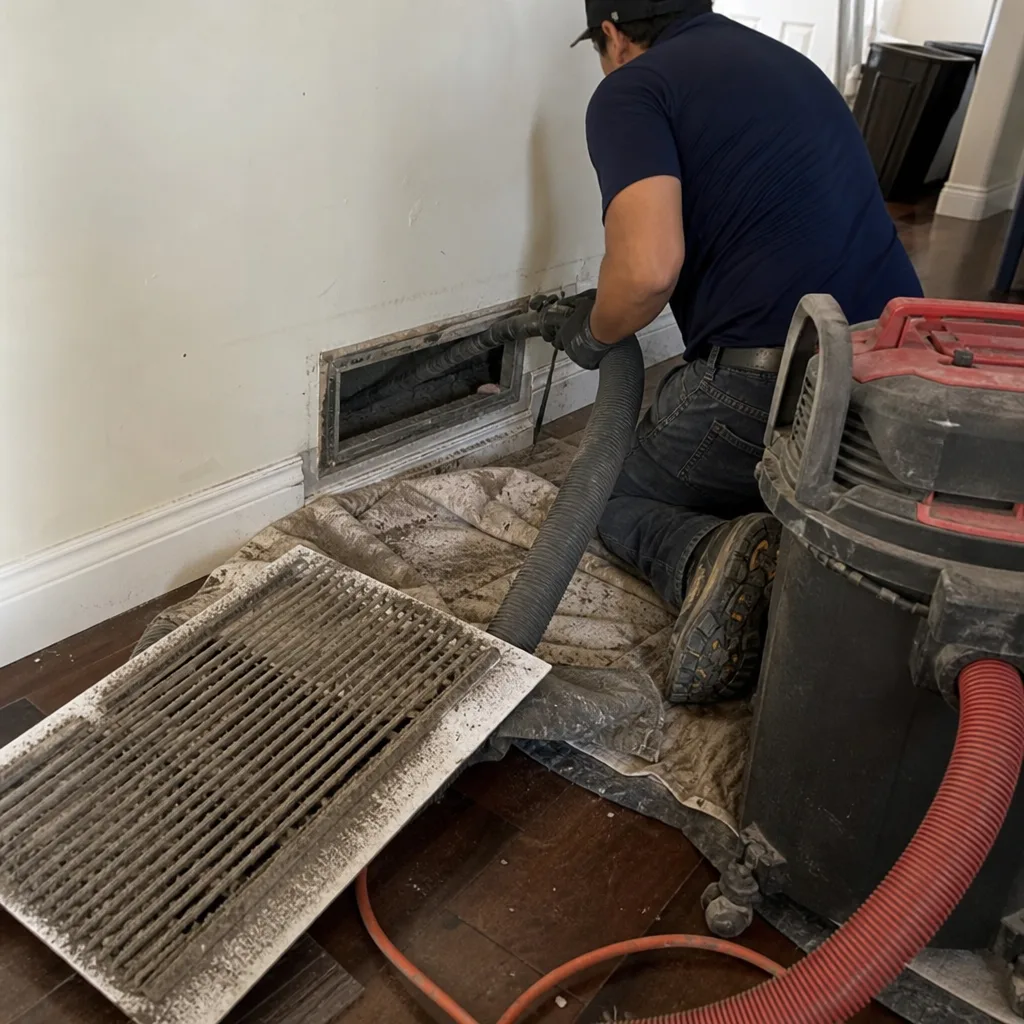 Before
 After
 Before
 After
 Before
 After
When to Call a Professional
Some duct work is clearly a professional job. When the system has visible mold growth, when a run has come disconnected in the attic, when the air handler shows signs of condensate leaks, or when you’re seeing dust pattern changes in the house that suggest a leak in the supply side, it’s time to bring someone in. The same goes for a dryer vent that’s more than a few years past its last cleaning, since lint buildup is a real fire hazard and not a job for a shop vac and a ladder.
Fountain Valley Air Duct Cleaning offers free estimates in Fountain Valley. Call (855) 658-3999. We answer 24/7. Fast dispatch from 7am to 7pm, Sunday through Friday. We’ll walk the system with you, tell you honestly which parts of the job are cleaning and which are repair, and hand you a written estimate that spells out the difference.
Frequently Asked Questions
No. Routine air duct cleaning does not require a permit in Fountain Valley or anywhere in California, because cleaning is maintenance and not a construction activity. Permits come into play when the work becomes a repair or a modification, such as cutting into a trunk line, installing new ductwork, or relocating a register. If you’re unsure which category your job falls into, call (855) 658-3999 and we’ll tell you what we’re seeing.
For cleaning alone, no. California does not require a C-20 HVAC license for duct cleaning on its own. For any repair or modification to the duct system, yes, a licensed C-20 contractor is required. That’s the regulatory line, and it’s why a cleaning invoice and a repair invoice should be two separate documents. Call (855) 658-3999 for an estimate that separates the two.
Yes. Any product that claims to kill or inhibit mold, bacteria or other microorganisms is a pesticide and is regulated by the U.S. EPA and California’s Department of Pesticide Regulation. The label must explicitly list HVAC systems or air ducts as an approved use site. Before any chemical goes into your ducts, ask to see the label and the safety data sheet. Call (855) 658-3999 with questions before you book.
Duct mold generally falls under CDPH remediation guidance when growth is more than a small, localized surface patch, or when it’s inside a building cavity or mechanical system, which ductwork usually is. That triggers containment, physical removal, and documentation requirements. Fogging alone is not remediation. Call (855) 658-3999 for an honest read on what you’re dealing with.
It can. Home inspectors flag non-standard sealing, mismatched duct materials, unpermitted modifications, and relocated registers, and buyers use those findings in negotiation. The cost of pulling a permit is small compared to the cost of a renegotiated sale. If you’re unsure whether your duct repair was permitted, check with the city and call (855) 658-3999 to document what’s actually there.
Whole-system air duct cleaning in Fountain Valley typically falls in a broad range depending on system size, duct condition, and whether repair or sanitizing is included. The number that matters is the written estimate, which sets the final price for the job. We don’t quote per vent, and we don’t quote teaser prices. Call (855) 658-3999 for a free estimate.
The Bottom Line
Air duct cleaning itself doesn’t need a permit in Fountain Valley. Duct repair and modification do. Mold remediation in ductwork is a separate category with its own protocol and documentation expectations. Antimicrobials require an EPA-registered product labeled for HVAC use. Any repair or modification to the duct system should be handled by a licensed C-20 contractor, and where a permit is required it should be pulled. Keep the paperwork: the written scope, the before-and-after photos, the product labels, the license number, the permit record if there is one. That paper trail is what makes duct work look like the quality job it was when a buyer’s inspector walks through years later.
Contact
Call Fountain Valley Air Duct Cleaning at (855) 658-3999 for a free estimate. We answer 24/7. Fast dispatch from 7am to 7pm, Sunday through Friday. Our technicians have up to 9 years of experience, and we use professional-grade equipment from Nikro, Rotobrush, Abatement Technologies, and Aprilaire. One call covers every part of your airflow, from the ducts to the dryer vent to the air handler, and we’ll tell you honestly which parts of the job are cleaning and which might need a permit.
Written by the team at Fountain Valley Air Duct Cleaning.