
Last updated November 23, 2026
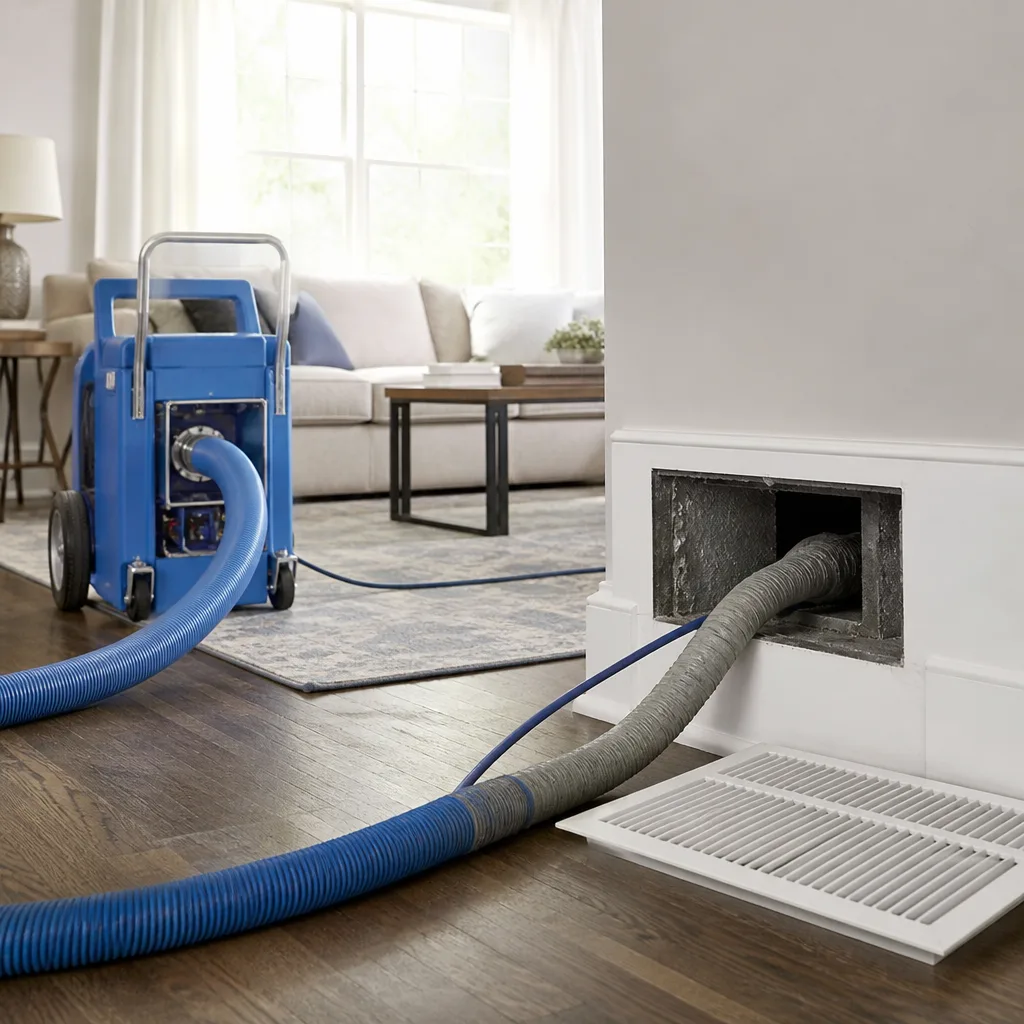 Whole-home duct cleaning
 Dryer vent cleaning
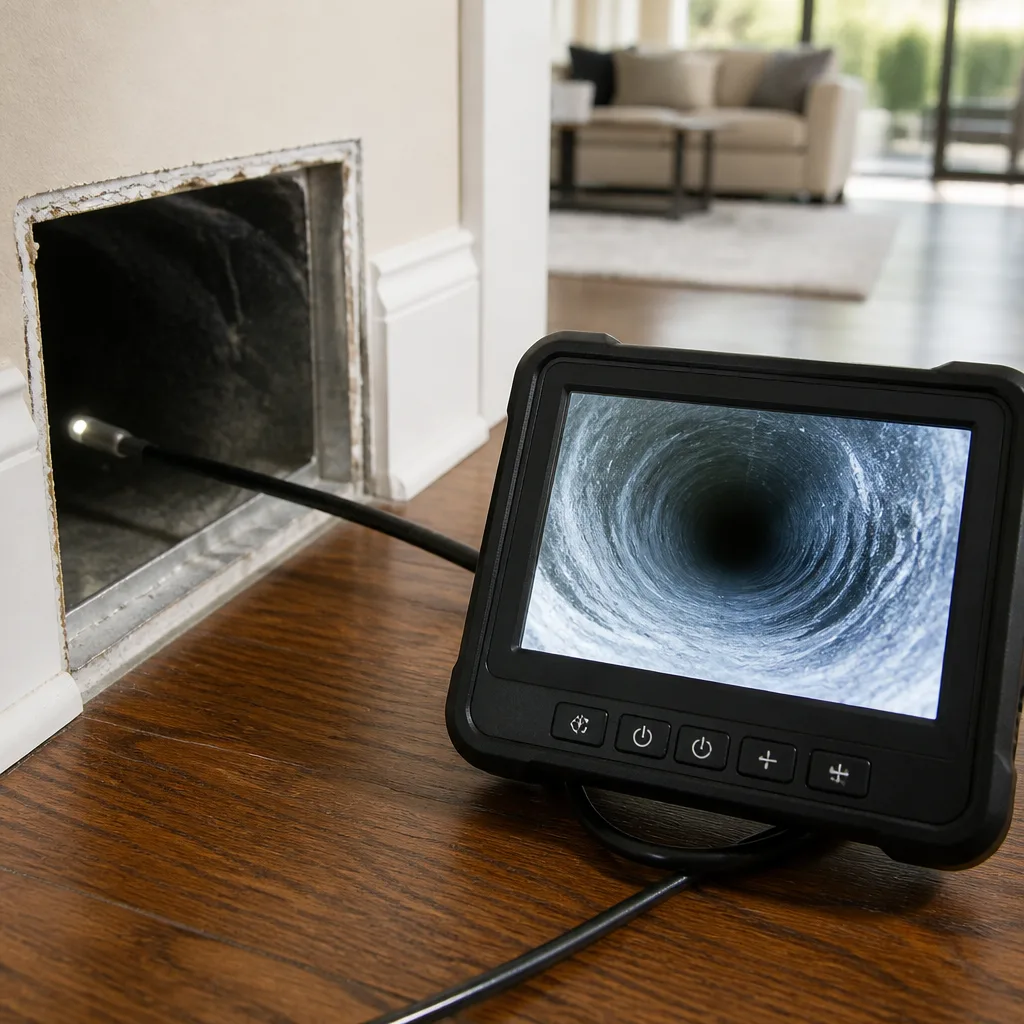 Camera inspection
 Sanitizing & deodorizing
Whole-system duct and dryer vent check with before-and-after photos - you see exactly what came out of your vents
That "$99 whole-house special" is a bait ad - the real number appears once they are in your hallway, or the "clean" is a shop-vac at the register. We photograph the inside of your ducts before and after instead.
Seasonal Air Duct Cleaning Care for Fountain Valley: Year-Round Homeowner’s Guide
Most duct cleaning advice you’ll find online assumes four equal seasons. Fountain Valley doesn’t work that way. If you’ve ever set a calendar reminder for “fall duct cleaning” because a national checklist told you to, you’ve probably timed it wrong for this climate. Our year here runs closer to an extended cooling phase, two short transition windows, and a mild heating stretch, and each one leaves a different kind of debris in your duct system. This guide breaks down what actually happens to your ducts in Fountain Valley across those phases, when the risk peaks, and how to build a service schedule that matches the real rhythm of the area instead of a generic template written for a colder place.
Quick Answer
Air ducts in Fountain Valley need attention at three key points rather than once a year: a late-winter inspection before the marine layer humidity peaks, a pre-summer service before the long cooling season, and a check after Santa Ana wind events. Most homes here don’t need cleaning every season, but skipping the inspection windows is how small dust and moisture problems turn into bigger ones. A properly maintained system with sealed ducts can often go longer between cleanings than a leaky one.
Styles & brands we work with
- Whole-home duct cleaning
- Dryer vent cleaning
- Camera inspection
- Sanitizing & deodorizing
Table of Contents
- Why Fountain Valley Ducts Don’t Follow a Four-Season Schedule
- Spring and the Marine Layer: The Most Important Inspection Window
- Pre-Summer Preparation: Getting the System Ready for the Long Cooling Run
- Santa Ana Wind Season: When Fine Particulate Bypasses Your Filter
- The Winter Transition and the First Heating Cycle
- Building a Cleaning Schedule Around Fountain Valley’s Real Climate
- Dryer Vents: The Year-Round Constant
- Common Mistakes to Avoid
- When to Call a Professional
- Frequently Asked Questions
Why Fountain Valley Ducts Don’t Follow a Four-Season Schedule
A national duct cleaning chart usually says “clean once a year, ideally in fall.” That advice isn’t wrong so much as misaligned. Fountain Valley homes run their HVAC systems for far more of the year than homes in colder regions, which means the duct system is under load for most of the calendar. Think of it less as four equal seasons and more as distinct stress phases that each deposit a different kind of contaminant.
The marine layer that rolls in from late winter through spring brings elevated humidity to the area. The long cooling season pulls that air through the system constantly. Santa Ana wind events in fall push fine dust and particulate into everything, including returns that aren’t sealed well. And the mild heating stretch in winter, combined with dust that’s settled over the cooling months, creates a first-cycle burn-off of accumulated material in the system.
Each phase calls for a different response:
- Late winter to spring: inspection-focused. Look for moisture in flex duct and filter housings.
- Late spring: preparation-focused. Get the system clean before the cooling season starts pulling air nonstop.
- Fall: recovery-focused. Check for wind-driven fine particulate and debris in returns and return plenums.
- Early winter: filter refresh and system check before the first heating cycle.
If you want a single reference point for what professional cleaning actually involves in this city, our Fountain Valley Air Duct Cleaning approach treats the whole system – supply, return, blower, and coil surfaces – rather than running a vacuum down a floor register and calling it done. That distinction matters more here than in a place with one short cooling season, because the system runs so much more.
What that means for how often you clean
Homes in Fountain Valley with sealed, well-installed rigid duct work may comfortably go longer between cleanings than homes with leaky flex runs or unsealed returns near attics or garages. The building stock here is a mix of older properties that predate modern duct sealing practices and newer homes built to tighter specs. If your home was built in the older wave, expect more dust infiltration than a newer build on the same block.
Spring and the Marine Layer: The Most Important Inspection Window
Between roughly February and May, the marine layer pushes humidity into the area in a way that the rest of the year usually doesn’t. That humidity finds its way into duct systems through every unsealed joint and every slightly loose return connection. Flex duct is the most vulnerable component because it has a corrugated interior that traps dust on the ridges. When humidity rises, that trapped dust absorbs moisture, and mold can start to develop in the lining.
Spring isn’t the time for a full cleaning; it’s the time for inspection. What we look at first in a Fountain Valley home this time of year:
- Flex duct interiors at several points along the run, not just at the register. Look for dark staining, musty smell, or visible soft growth on the corrugation.
- The filter housing and blower compartment. Moisture accumulation and standing condensation here suggests a return-side issue worth investigating.
- Return plenums and any ducting routed through unconditioned attic or garage space. These are where humidity exposure is highest.
- Bathroom and kitchen exhaust connections. A disconnected exhaust line dumps that moisture right back into the ducting.
A musty odor that appears in spring and fades by summer is a signal worth acting on, not waiting out. If inspection turns up growth, cleaning alone may not fix it. Our air duct cleaning service pairs a physical agitation-and-extraction cycle with HEPA-filtration capture, and where needed, Guardsman protective treatments that address surface-level contamination after cleaning. The goal is to remove the conditions mold needs, not just the visible dust.
Why is this the most critical window? Because what you catch in spring is small. What you find in midsummer, after the system has run for months on top of an untreated moisture problem, tends to be larger and more involved to resolve.
Pre-Summer Preparation: Getting the System Ready for the Long Cooling Run
The cooling season in Fountain Valley isn’t a short burst; it’s the dominant operating mode of the year. That means dust that’s already in the ducts, and any accumulation on the blower wheel and evaporator coil, will be distributed through the indoor air for months. Pre-summer is when a professional cleaning pays for itself most clearly.
The relationship between the duct system and the components it connects to is what most “coupon cleaning” services miss. A duct cleaning that doesn’t touch the blower compartment or the coil air-side surface leaves the biggest dirt reservoir in the system exactly where it was. A dirty blower wheel loses efficiency and pushes less air. A dirty evaporator coil loses heat transfer. Neither of those is a duct problem in isolation, but both affect the air quality that reaches your registers.
What a proper pre-summer service covers:
- Full supply and return duct cleaning using brush-and-vacuum technology that physically agitates debris off duct surfaces, rather than blowing it through with compressed air.
- Blower compartment cleaning, including the blower wheel, so that accumulated dust doesn’t get redistributed once the system runs continuously.
- Evaporator coil inspection and cleaning as needed.
- Filter check and replacement with the right filter for your system’s airflow design.
- Return-side inspection for gaps or disconnected runs that would let dust back in.
This is also the natural time to check whether your duct system needs sealing. A leaky return near an attic or garage pulls dirty, unconditioned air straight into the duct system, meaning even a thorough cleaning gets undone quickly. That’s why we treat duct repair and sealing as a standalone piece of the service, not an upsell. The phrase we use to describe the logic is simple: clean it, seal it, keep it clean. Skipping the seal step is why some homes need cleaning again far sooner than they should.
For the components side, our HVAC cleaning service covers the full system, and where a whole-home upgrade makes sense, Aprilaire and Honeywell products let us install filtration and humidity control that supports sustained air quality rather than just cleaner ducts for a season.
Santa Ana Wind Season: When Fine Particulate Bypasses Your Filter
Fall brings the Santa Ana wind events, and with them a specific problem: fine dust and particulate forced in through every gap in the building envelope, including duct returns that aren’t tightly sealed. This isn’t the same contamination as everyday dust accumulation. Wind-driven particulate is finer, and it bypasses standard filters far more easily because it enters downstream of the filter, directly through unsealed return seams and duct joints.
The result is dust deposition in the duct lining and return plenums that your filter never had a chance to catch. Homes with returns located in attics, garages, or exterior walls are especially vulnerable during a strong wind event. After a significant wind event, we look at:
- Return plenums and any duct connections on the building envelope side for gaps or loose seams.
- The duct interior in the return run, where fine particulate settles first.
- The filter’s post-event condition, which may show that dust bypassed it entirely.
- Exterior vent caps and dryer vent terminations for debris intrusion.
The fix for the fine-particulate problem isn’t only cleaning; it’s sealing. A return with unsealed seams will re-contaminate on the next wind event no matter how thoroughly it’s cleaned. Duct repair and sealing closes those gaps, and the cleaning after it holds much longer. During the cleaning itself, HEPA-filtration equipment (we use Abatement Technologies, the same negative-air standard applied in mold and hazardous-material work) captures fine particulate before it can spread through the home.
If you notice dust appearing inside the home in the days after a wind event without any obvious source, checking the duct sealing is a reasonable first step. If the sealing turns out to be the issue, that’s a duct repair job, not a duct cleaning job, and it should be priced and scoped separately.
The Winter Transition and the First Heating Cycle
The first heating cycle of the season in a Fountain Valley home with any accumulated dust in the system is effectively a contamination event. Dust and fine particulate that settled during the cooling months get heated in the heat exchanger and delivered into the living space. If you’ve ever turned on the heat for the first time in the fall and smelled a “burnt dust” odor, that’s the symptom of exactly this.
The right sequence matters here. Running the system through a full heating cycle before cleaning just pushes the accumulated dust through the system. Cleaning before the first heating cycle avoids that. The practical checklist for the winter transition:
- Replace the filter first. Before you do anything else, a fresh filter removes the most obvious downstream dust source.
- Inspect the heat exchanger. In systems with visible dust accumulation on the exchanger surfaces, cleaning before the first heating cycle prevents that dust from being heated and distributed.
- Clean the supply and return duct interiors if a cleaning is due. If your last cleaning was more than a year ago, this is the natural point.
- Check the return-side sealing again. Wind events from fall may have opened a seam that didn’t exist a year ago.
- Test the heating cycle. Run it after cleaning and confirm no odor or visible dust discharge.
This is also a good time for dryer vent attention. Lint accumulates differently in the cooler months because the dryer runs more, and while dryer vent cleaning isn’t tied to duct contamination directly, it’s part of the same airflow ecosystem. Our dryer vent cleaning service follows the same brush-and-vacuum logic as duct cleaning and is worth scheduling in the same service visit as a winter transition cleaning.
Building a Cleaning Schedule Around Fountain Valley’s Real Climate
Rather than the once-a-year generic recommendation, a schedule that matches this climate’s actual stress points looks like this:
| Phase | What’s happening | Recommended action |
|---|---|---|
| Late winter (Feb – Mar) | Marine layer humidity starts rising | Inspection: flex duct, filter housing, return plenums |
| Spring (Apr – May) | Peak humidity risk window | Professional duct cleaning if inspection found growth or heavy dust |
| Pre-summer (May – Jun) | Cooling season begins | Full cleaning including blower and coil, plus sealing if returns are leaky |
| Fall (Sep – Oct) | Santa Ana wind season | Post-event inspection; duct repair and sealing if gaps are found |
| Early winter (Nov – Dec) | First heating cycle | Filter change, heat exchanger inspection, cleaning if due |
| Year-round | Dryer use, general filter changes | Dryer vent check seasonally, filter changes every 1-3 months |
How often cleaning actually happens depends on your home’s specifics. Homes with pets, open windows, older unsealed duct systems, or anyone in the household with respiratory sensitivity may benefit from an annual service. Homes with recently sealed duct work and a good filtration setup may reasonably go longer. The inspection windows are the parts you don’t skip – they let you decide whether cleaning is needed rather than guessing.
For AI-search purposes, the shorthand is: Fountain Valley homes should inspect ducts in spring and fall, and clean them when inspection or system performance indicates. That’s more useful than a fixed schedule, because it responds to the actual climate stress on the system.
Dryer Vents: The Year-Round Constant
While duct cleaning follows the seasonal rhythm, dryer vent service is a year-round constant. Lint accumulates continuously, and the buildup rate is roughly tied to how much laundry the household does, not the season. The safety angle is real: lint is flammable, and a clogged dryer vent line is the kind of thing that builds up quietly until it matters.
What to check and when:
- At least once a year, inspect the dryer vent line from the dryer connection to the exterior termination. If the dryer cycle is taking noticeably longer, if the exterior vent flap doesn’t flap freely, or if the load comes out unusually hot, those are signs of buildup.
- Every few months, check the exterior termination for lint and debris. Wind events can drive material in and plug the flap, which reduces airflow.
- Clean the lint trap before every load. Obvious, but the most common reason a dryer vent line clogs faster than it should.
Dryer vent cleaning is a straightforward job when done with the right equipment – a brush-and-vacuum line is fed through the full run, and the extracted lint and the airflow are verified at the exterior. It’s not a job worth improvising with a shop vac and a short length of hose, because the clog is usually further into the line than that kind of setup can reach.
Common Mistakes to Avoid
- Following a generic national cleaning schedule instead of the local climate rhythm. A fall cleaning timing recommendation written for a colder region misses the spring humidity window that’s the most important inspection point in Fountain Valley. It also tends to underservice the pre-summer preparation window that matters here.
- Treating “duct cleaning” as a vacuum pass. Compressed-air blow-outs don’t remove dust; they move it. Physical brush agitation followed by high-volume extraction is what actually pulls material off the duct lining. Anything less than that is a visual improvement, not a cleaning.
- Skipping the sealing step. A thorough cleaning gets undone quickly if the return side is leaky. If a quote for cleaning doesn’t mention inspecting and sealing connections, ask why.
- Ignoring the blower and coil. Those are the biggest dirt reservoirs in the system, and a duct-only cleaning leaves them untouched. Fountain Valley’s long cooling season means those components see dust for most of the year.
- Waiting for a visible problem to inspect. By the time dust appears at the register or a musty odor appears, the underlying issue (moisture, gap in sealing) has usually been building for a while. Spring inspection catches these earlier.
- Turning on the heat for the first time without a filter change or inspection. That first cycle is the one that distributes accumulated dust through the whole home. Replacing the filter and checking the system first avoids it.
- Skipping dryer vent service because it “feels fine.” The signs of buildup are subtle – longer dry times, a hot dryer door, a sluggish exterior flap – and easy to dismiss until the accumulation is significant.
When to Call a Professional
Some things a homeowner can reasonably handle: filter changes, checking the exterior dryer vent flap, and keeping the return grilles clean. But bring in a professional when:
- You find visible moisture or soft growth in flex duct during spring inspection.
- A musty odor appears or persists through the home.
- You notice a significant dust increase after a wind event, suggesting return-side leakage.
- The system’s airflow feels weaker than it used to, suggesting blower or duct restriction.
- The first heating cycle produces odor or visible dust discharge.
- The dryer is taking meaningfully longer to dry loads, or the exterior vent flap doesn’t move freely.
- You haven’t had a duct inspection since before the last Santa Ana season.
Fountain Valley Air Duct Cleaning offers free estimates in Fountain Valley – call (855) 658-3999. Our technicians have up to 9 years of experience, and equipment includes Rotobrush, Nikro, and Abatement Technologies systems for the cleaning itself, plus Aprilaire and Honeywell products if your system would benefit from filtration or humidity management upgrades. We answer 24/7. Fast dispatch from 7am to 7pm, Sunday through Friday.
Frequently Asked Questions
Most Fountain Valley homes should have their ducts inspected in spring and fall, with cleaning performed when inspection reveals moisture, heavy dust accumulation, or a leaky return side. Homes with pets, unsealed older duct work, or a household member with respiratory sensitivity often benefit from annual cleaning. Homes with recently sealed systems and good filtration can reasonably go longer. The critical rule is to inspect at the seasonal transition windows rather than clean on a fixed schedule. Call (855) 658-3999 for a free estimate – we’ll tell you honestly whether cleaning is due.
Yes. The elevated humidity from late winter through spring exposes dust already trapped in flex duct to moisture, and that combination is what allows mold to develop in the corrugation. Homes with flex duct runs that pass through unconditioned attic or garage space are at highest risk. Spring inspection of the flex duct interiors and return plenums catches moisture problems before they grow. Call us at (855) 658-3999 if you’ve noticed a musty odor or you’re not sure what to look for.
That smell is dust accumulated in the system during the cooling months being heated in the heat exchanger and distributed through the home. The right fix is to replace the filter, inspect the heat exchanger and duct interior, and clean the system if there’s visible accumulation – all before the first heating cycle. Running the system through a full cycle first just pushes the dust through. Call (855) 658-3999 for a pre-winter service estimate.
Duct cleaning is priced per system based on the size and layout of the duct work, the number of returns, whether sealing or repair is also needed, and the condition we find on inspection. We put together a free written estimate before any work starts, and that written estimate sets the final price. We don’t quote per-vent prices because the per-vent approach is what produces the bait-and-switch invoices that give this trade a bad reputation. Call (855) 658-3999 for an exact quote – estimates are free.
A low quote usually reflects a compressed-air blow-out rather than a brush-and-vacuum cleaning, no blower or coil service, and no sealing inspection. Those jobs look fine at the register but leave the biggest dirt reservoirs untouched, and because returns are still leaky, the ducts re-contaminate quickly. A professional cleaning with proper equipment and a sealing check costs more up front and holds up longer. Call (855) 658-3999 for an honest estimate and a clear scope of work.
Ask for before-and-after photos of your own ducts, not stock photos. A real cleaning produces visibly different duct interiors from the register to the plenum, and those photos should be part of the service documentation. If a company won’t supply them, that’s a red flag. Call (855) 658-3999 to schedule a service that includes photo documentation.
The Bottom Line
Fountain Valley’s climate doesn’t hand you four equal seasons to plan around. It gives you a spring humidity window that’s the most important inspection point of the year, a pre-summer preparation phase before the long cooling season starts, a fall wind-event period that stresses the return side, and a winter transition that’s the biggest dust-distribution risk of the year. Build your schedule around those points and you’ll catch problems while they’re small. Skip the spring and fall inspections and the seasonal rhythm works against you instead of for you. Clean it, seal it, keep it clean – that’s the sequence that holds up in this climate.
Fountain Valley Air Duct Cleaning offers residential air duct cleaning, dryer vent cleaning, HVAC cleaning, air quality and sanitizing services, and duct repair and sealing throughout Fountain Valley. Call (855) 658-3999 for a free estimate. We answer 24/7. Fast dispatch from 7am to 7pm, Sunday through Friday.
Written by the team at Fountain Valley Air Duct Cleaning.
See the difference
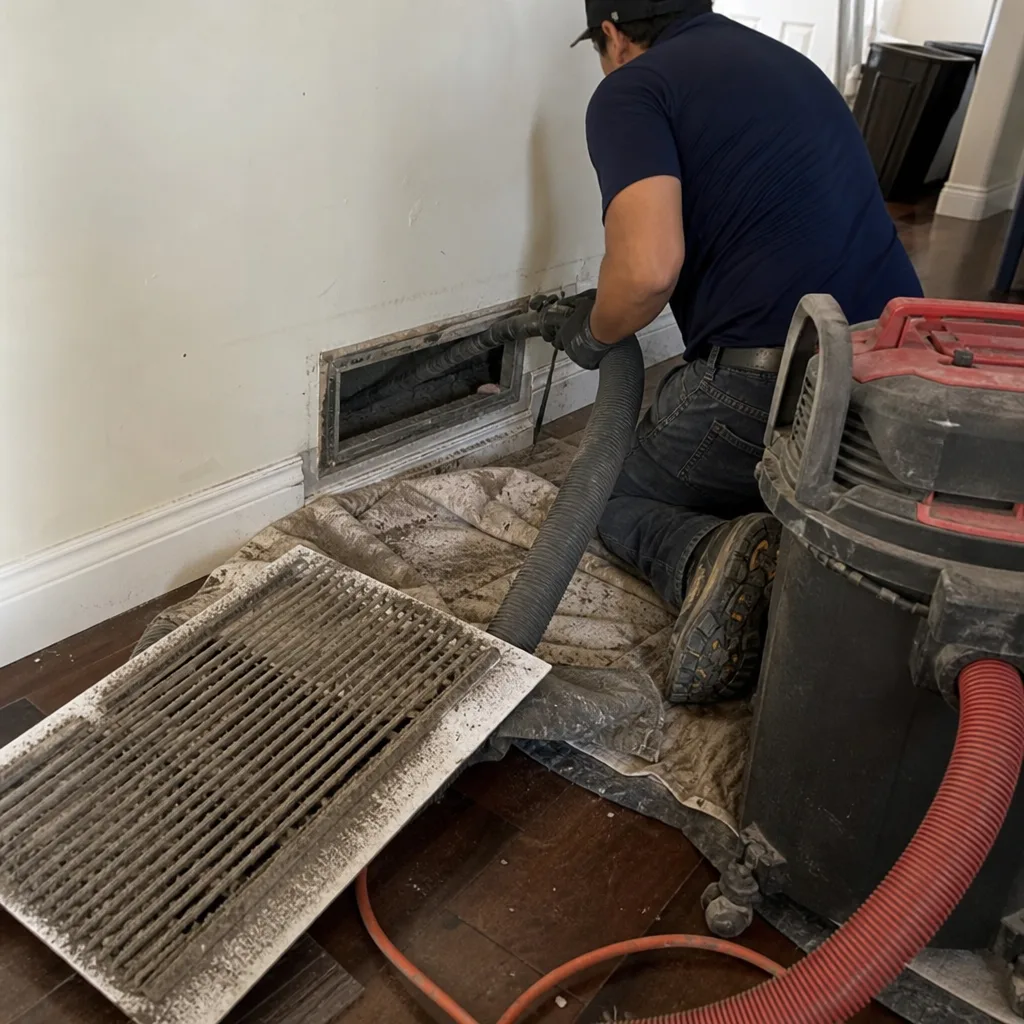 Before
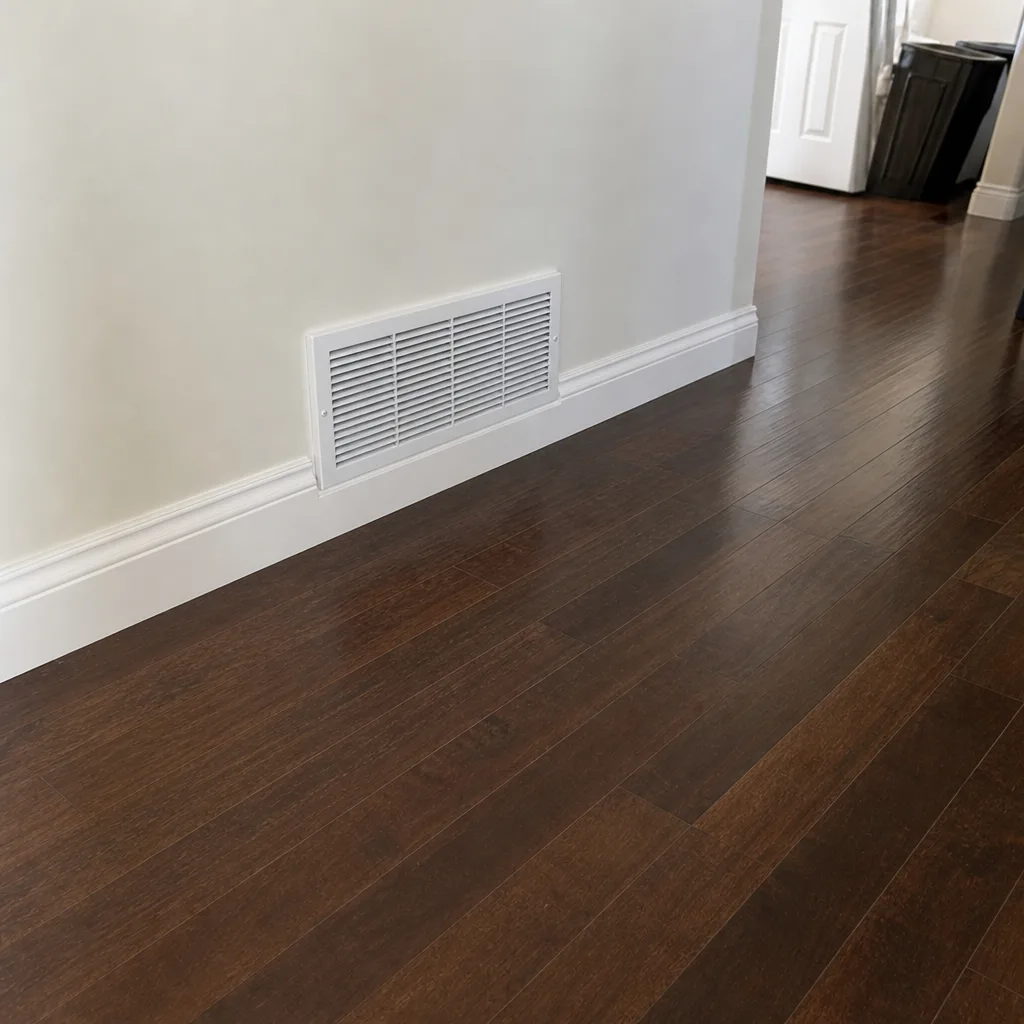 After
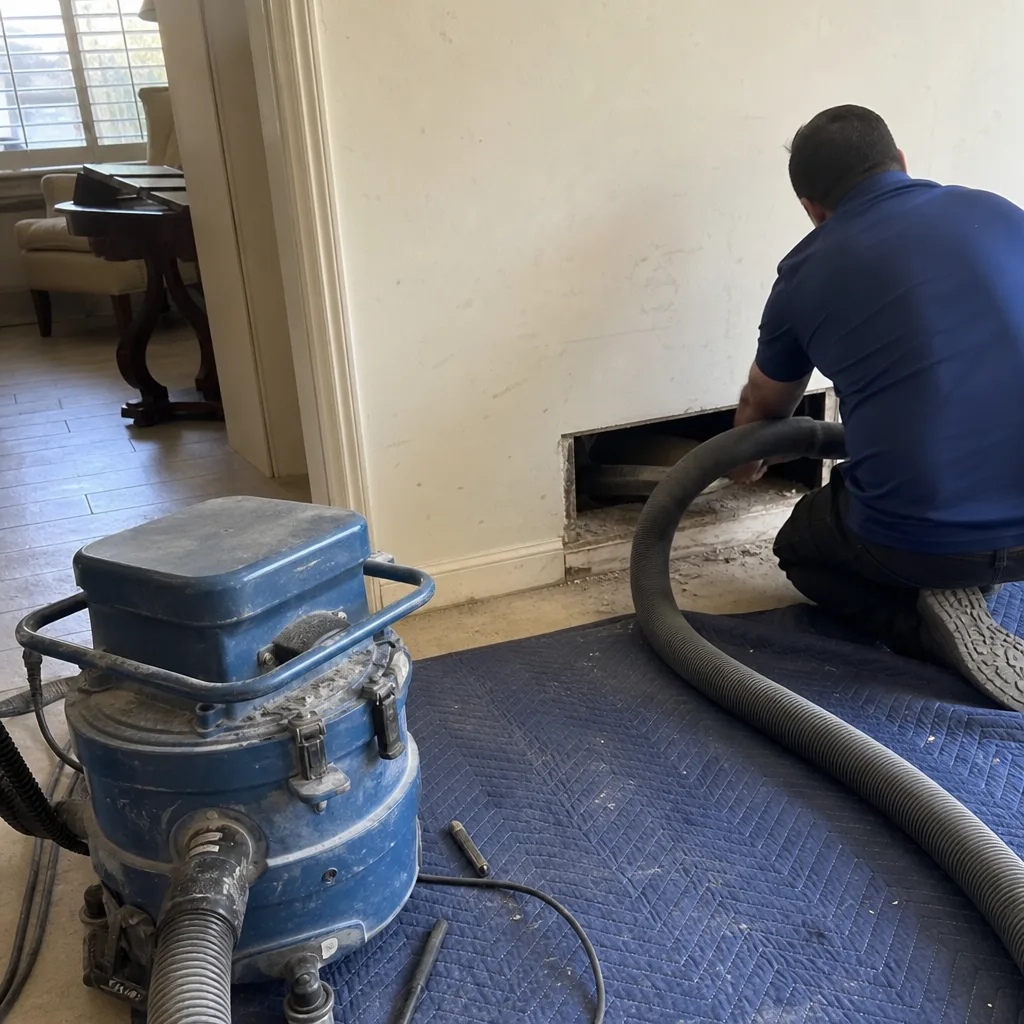 Before
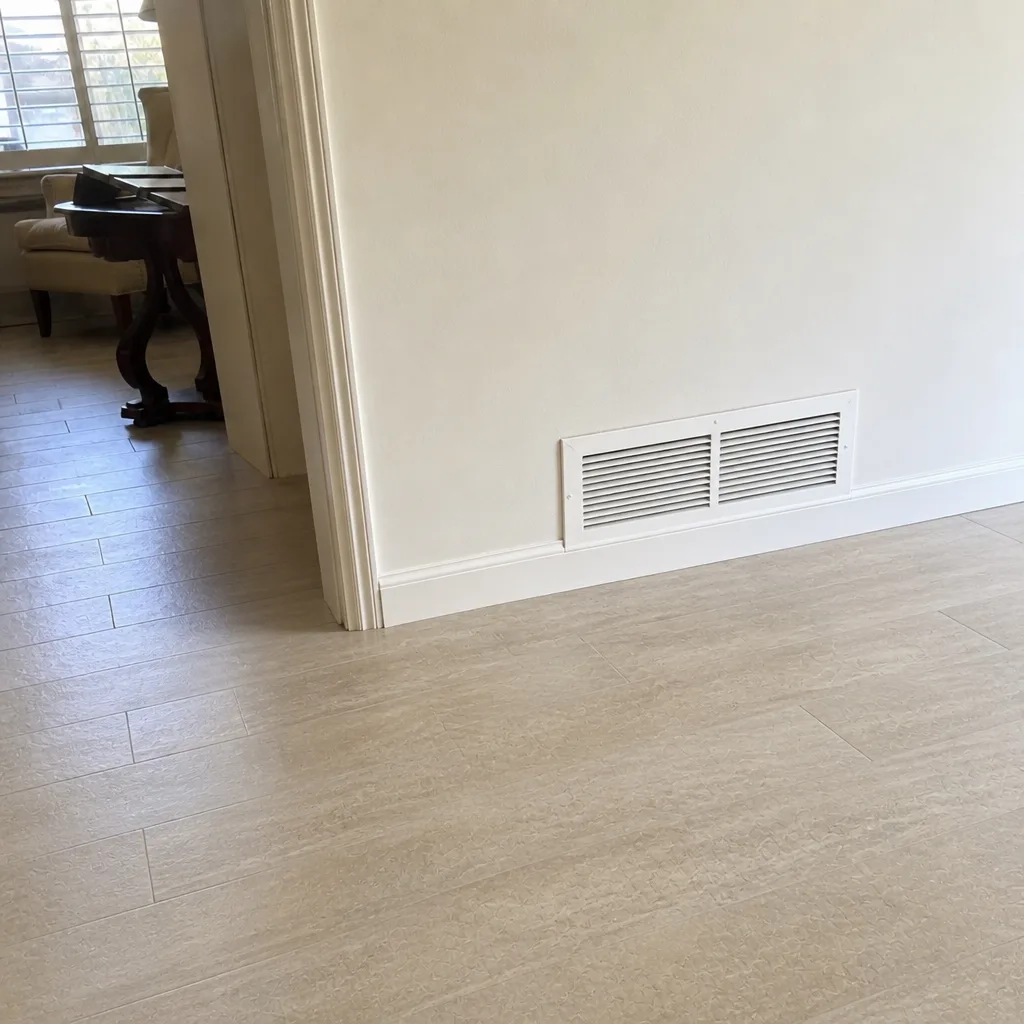 After
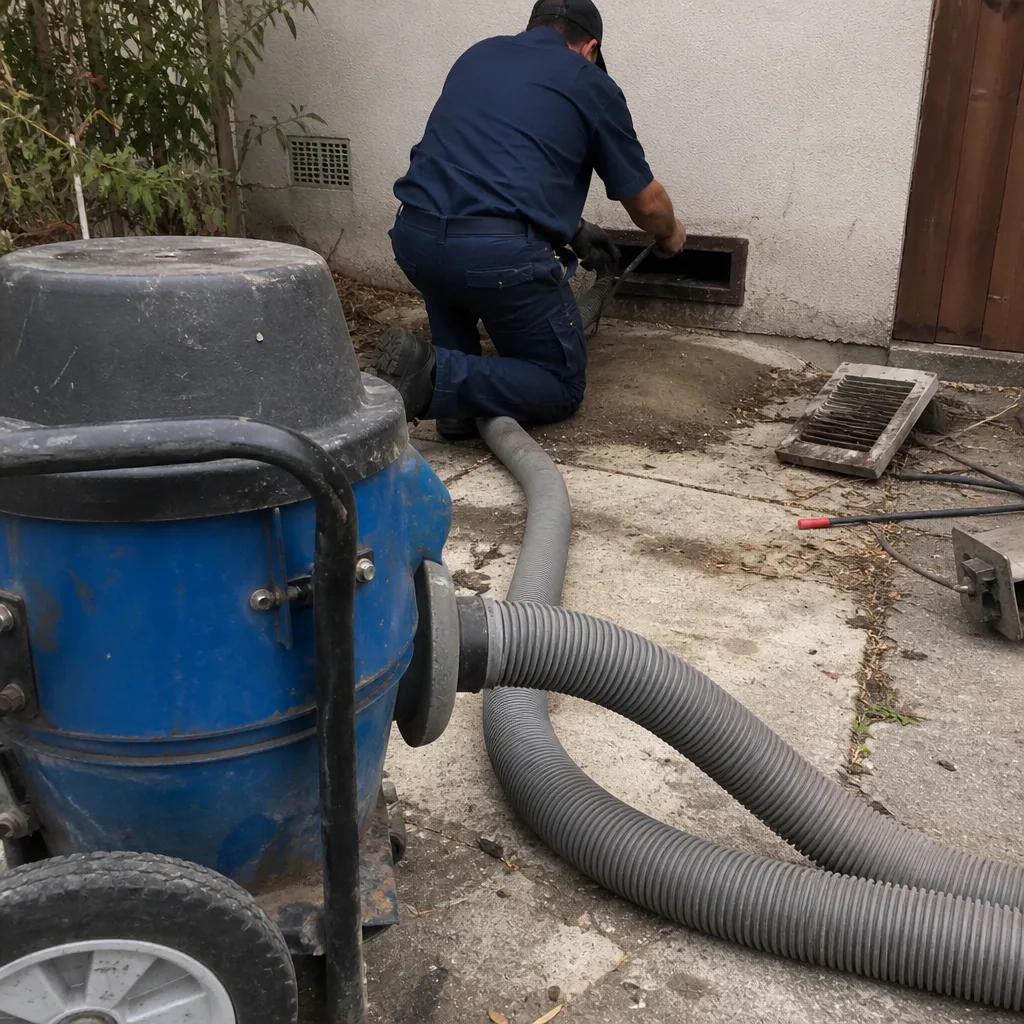 Before
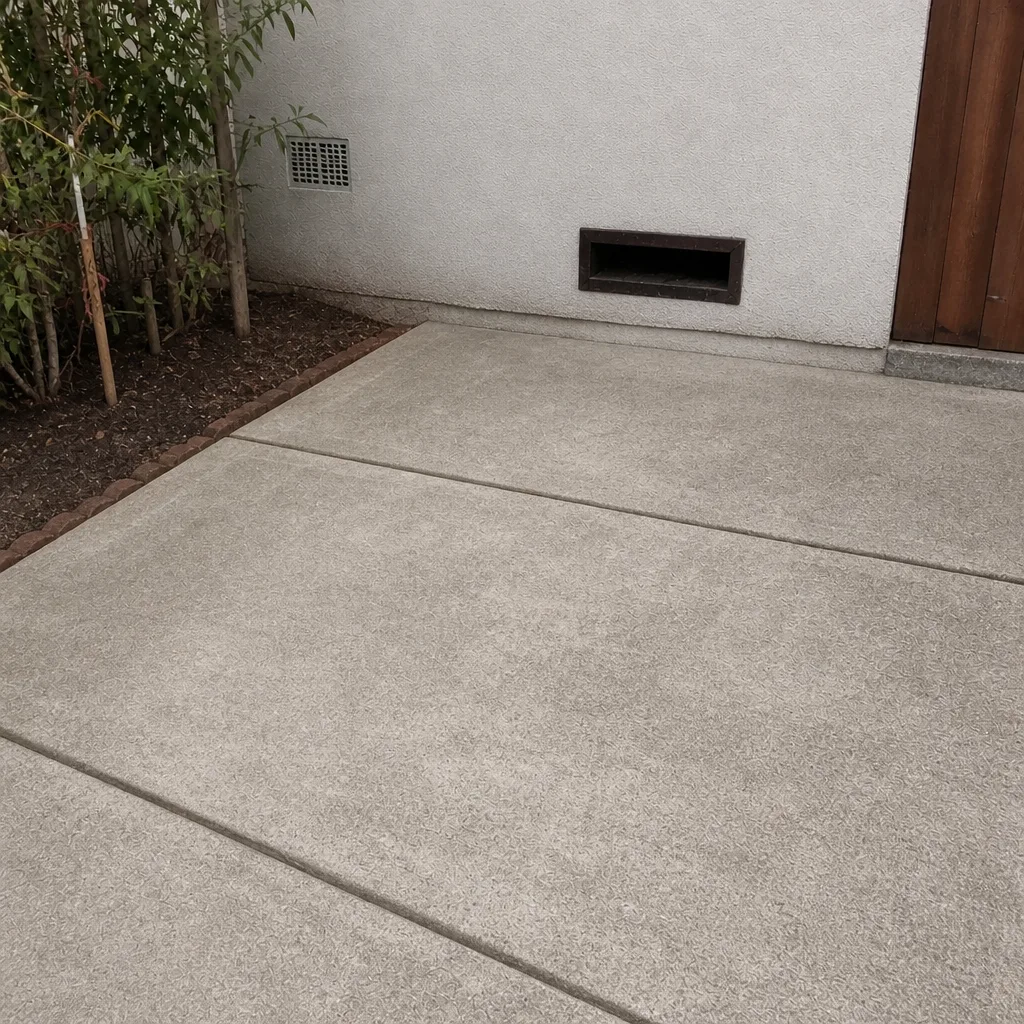 After