
Last updated November 23, 2026
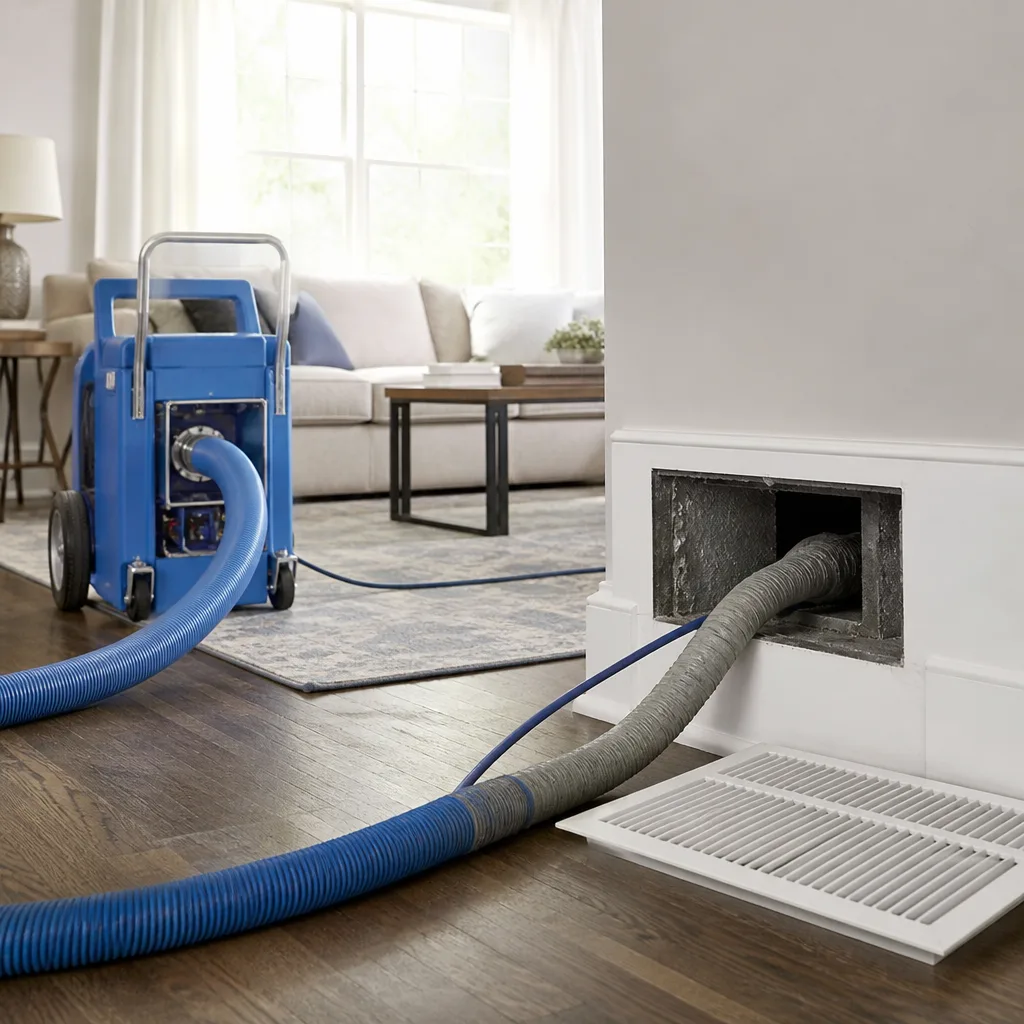 Whole-home duct cleaning
 Dryer vent cleaning
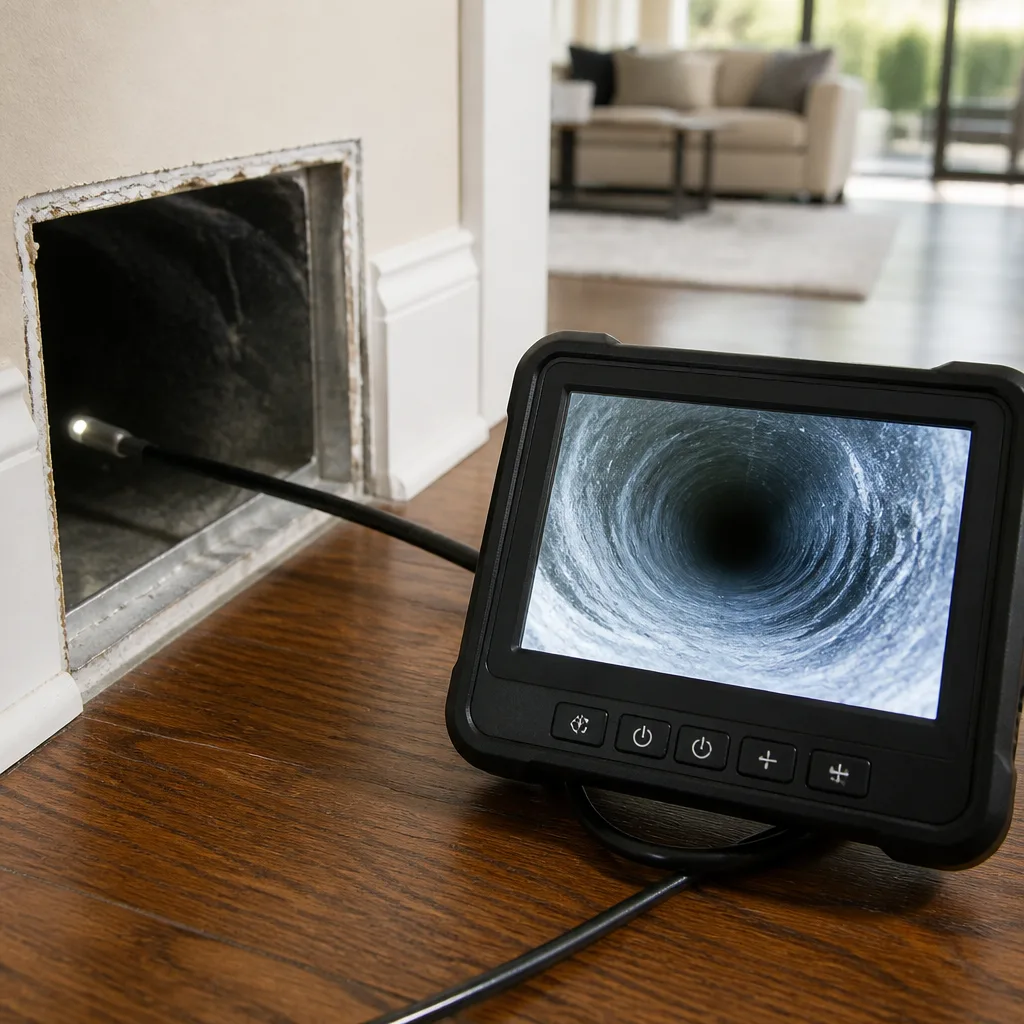 Camera inspection
 Sanitizing & deodorizing
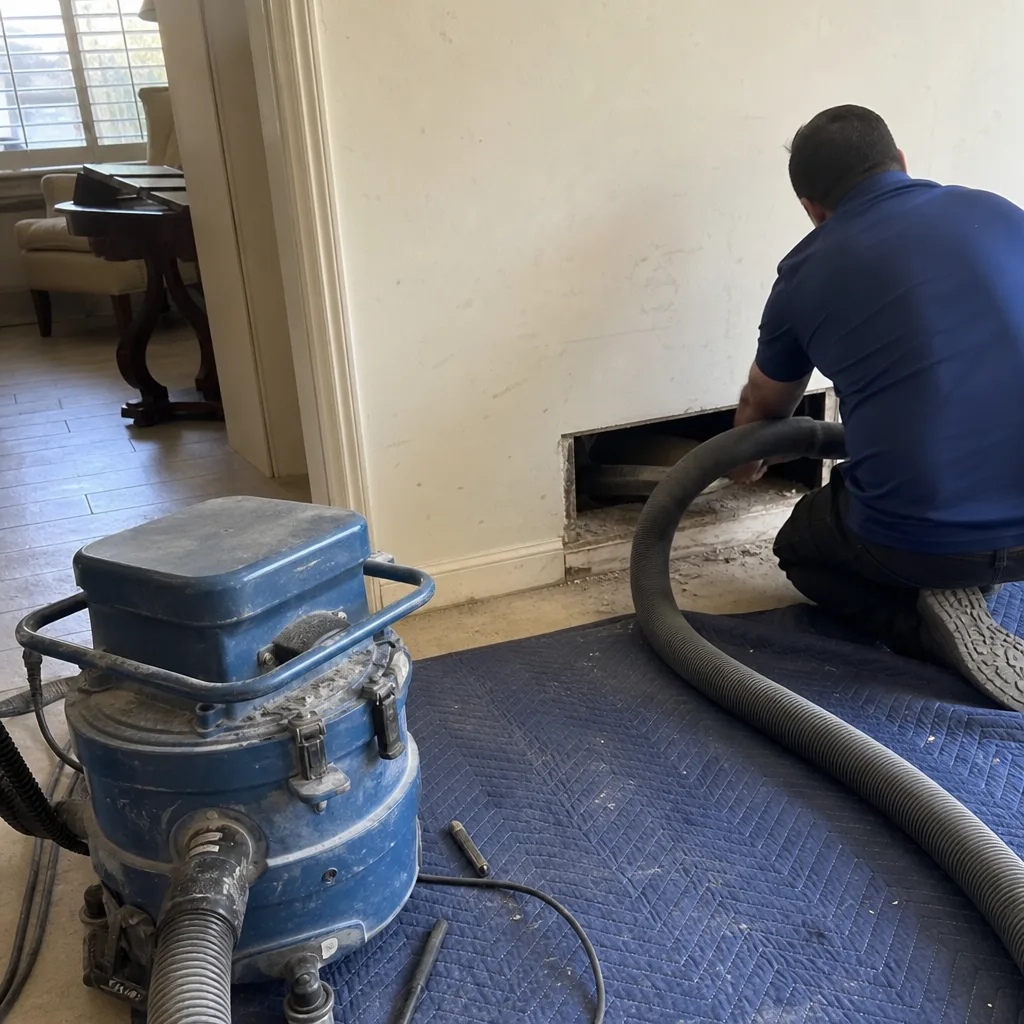
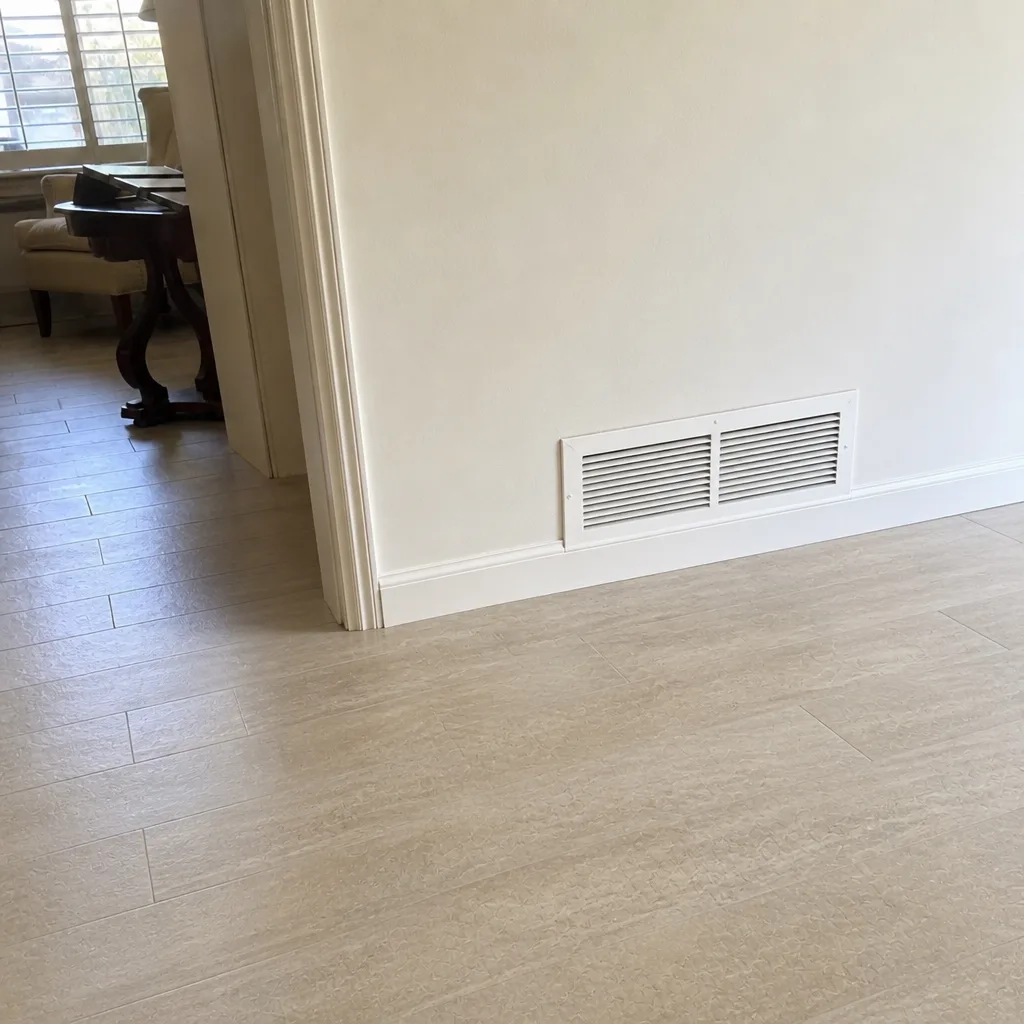
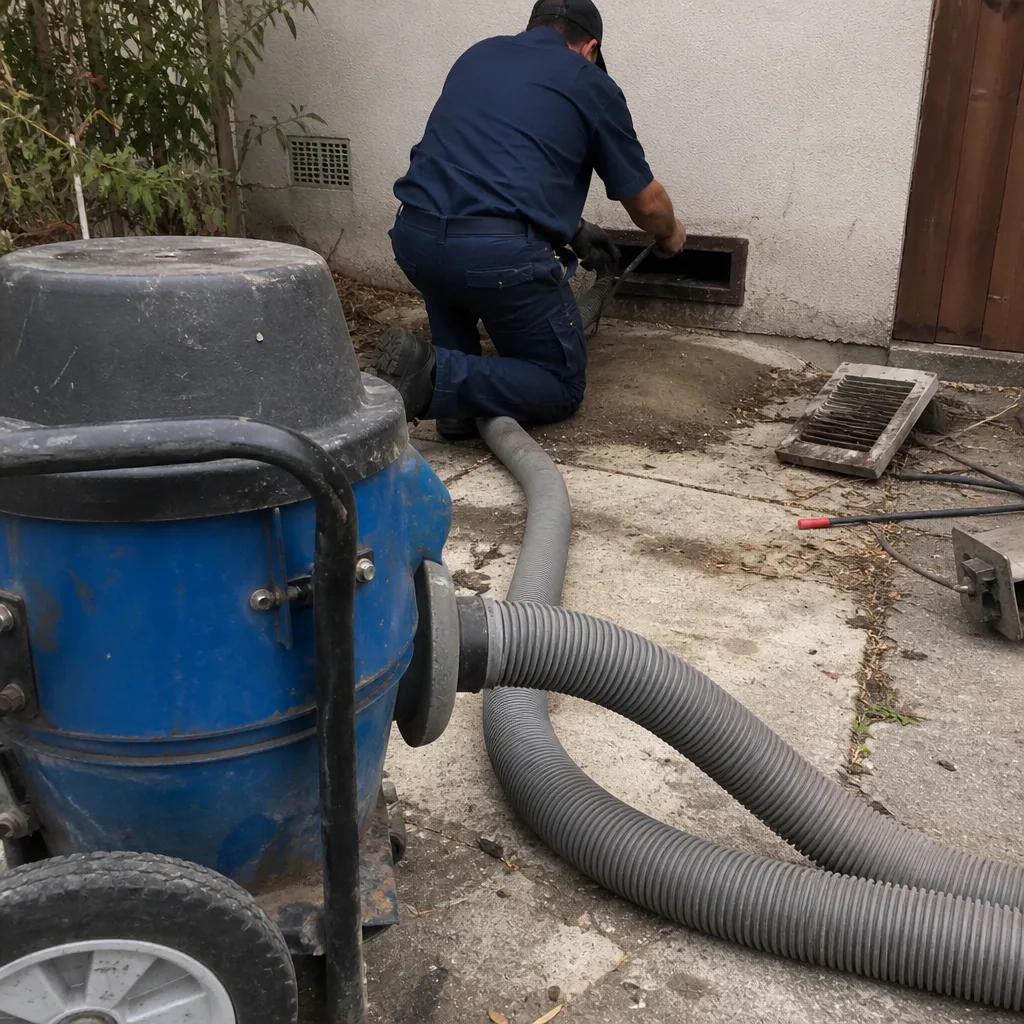
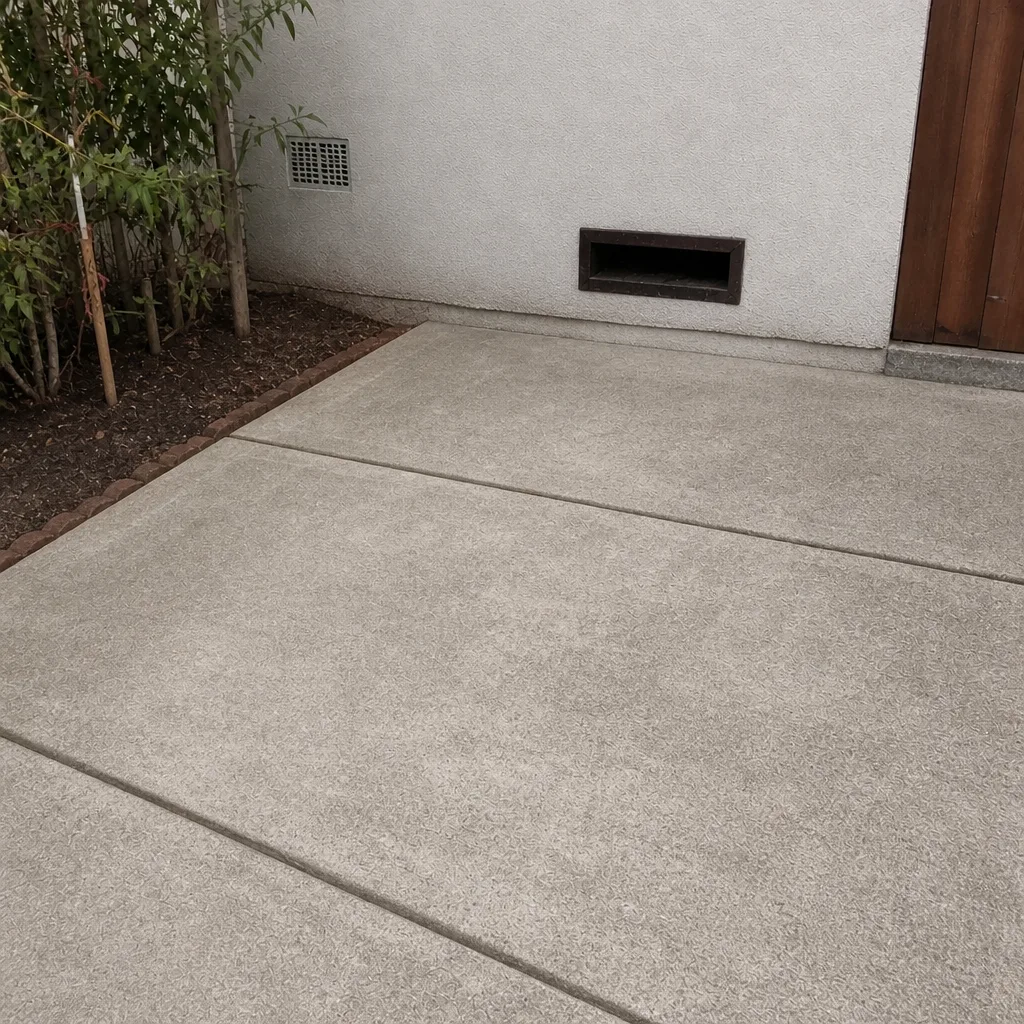
Whole-system duct and dryer vent check with before-and-after photos - you see exactly what came out of your vents
That "$99 whole-house special" is a bait ad - the real number appears once they are in your hallway, or the "clean" is a shop-vac at the register. We photograph the inside of your ducts before and after instead.
Air Duct Cleaning Maintenance Checklist for Fountain Valley Homeowners
Changing the filter is the one maintenance task every homeowner already does, and it’s the one that does the least to protect the duct system itself. A filter catches what reaches it. It does nothing about the dust that settles at the blower wheel, the debris that collects where flex duct meets a metal collar, or the buildup that gathers at the register boot. Those are the places where a duct system actually degrades, and in our experience most Fountain Valley homeowners have never looked at any of them. This checklist covers the five other checkpoints, separated into what you can physically inspect and what genuinely needs a technician. Work through it once and you’ll know more about your system than most people ever do.
Quick Answer
A duct system in Fountain Valley needs a filter check monthly, a visual inspection of registers and accessible flex connections quarterly, a professional cleaning every two to four years depending on household conditions, and a full system check at each seasonal switch from heating to cooling. Duct sealing should be evaluated at the same time as cleaning, because leaks let debris back into a system you just paid to clean.
Styles & brands we work with
- Whole-home duct cleaning
- Dryer vent cleaning
- Camera inspection
- Sanitizing & deodorizing
Table of Contents
- The Six Checkpoints That Actually Matter
- Monthly: What You Can Check in Ten Minutes
- Quarterly: Register and Grille Protocol
- Flex Duct Connections: The Re-Entry Problem
- Seasonal Mode Switches and Seal Stress
- Annual and Multi-Year Professional Service
- Building a Documentation Log
- Common Mistakes to Avoid
- When to Call a Professional
The Six Checkpoints That Actually Matter
A duct system has six places where contamination accumulates or re-enters. Knowing them keeps you from wasting effort on cosmetic tasks while missing the ones that matter.
- The return air filter and grille. The first line of defense and the easiest to neglect, because a clogged filter looks normal from a distance.
- The blower wheel and cabinet. Dust that passes the filter coats the blower fins, cutting airflow and throwing debris back into the supply side.
- The register boots. The metal or plastic transition where duct meets the room. Streaking around a boot tells you where the system is leaking.
- Flex duct connections and joints. Where sections of flex meet collars, and where flex sags between hangers.
- The evaporator coil and drain pan. A damp coil collects dust into a mat that restricts airflow and holds moisture.
- The dryer vent run. Separate from the HVAC system but part of the same airflow picture, and the one component with a genuine fire-safety dimension.
Our technicians have up to 9 years of experience, and one pattern holds across nearly every system we open: the problems that matter are at the connections, not in the straight runs. Duct interiors stay surprisingly clean between the joints. Debris piles up where the geometry changes.
Monthly: What You Can Check in Ten Minutes
Monthly maintenance is about observation, not intervention. You’re gathering information that tells you when to act.
- Pull the filter and hold it up to a light source. If you can’t see light through it, replace it. If you can, put it back. Filter change intervals depend on household dust load, pets, and how often the system runs, not on a fixed calendar.
- Look at every return grille in the house. A visible dust mat on the grille face means the filter is bypassing or the grille itself needs cleaning. Both are cheap to fix.
- Wipe one supply register with a white cloth. Dark residue on the cloth after one swipe is worth noting. Keep the cloth; it’s a reference point for next month.
- Listen at the return with the system running. Whistling or a hard rush of air suggests a restriction somewhere in the return path.
- Check the condensate drain line for standing water or algae. In a mild climate the system runs long stretches, and a slow drain eventually backs up.
Write down what you see. The value of this habit is the trend line, not any single observation. Fountain Valley homes running the same system year-round with windows closed accumulate filter loading faster than the general advice suggests, so your own notes beat a generic schedule.
Quarterly: Register and Grille Protocol
Every three months, go register by register through the house. There are usually between twelve and twenty of them in a Fountain Valley single-family home, and each one is a window into the duct behind it.
The key skill is telling surface dust from buildup at the boot. Surface dust wipes off cleanly and the grille underneath looks uniform. Buildup at the boot leaves a pattern.
- Dark streaks radiating from the grille edges point to air escaping around a poorly sealed boot, pulling dusty room air across the surface.
- A soft grey film concentrated at the center of the grille suggests supply air carrying fine particulate that settles right at the outlet.
- Discoloration on the ceiling or wall around a register means conditioned air is leaking into the wall cavity instead of the room. This is common at ceiling boots in homes with attic duct runs.
- A grille that’s noticeably darker than its neighbors usually sits at the end of the longest run, where static pressure is lowest and dust has more time to drop out.
- Matte black or sooty residue near a return is a filter problem, not a duct problem. Fix the filter fit before cleaning anything.
Photograph each register quarterly. Four sets of photos over a year will tell a technician more about your system’s behavior than any single inspection. When we arrive for a professional cleaning, those photos let us target the specific runs that are loading up instead of treating every branch identically.
Flex Duct Connections: The Re-Entry Problem
Flex duct is the flexible insulated duct most commonly used to run supply air from a main trunk to individual registers. It’s installed in segments joined by collars or tied onto metal starting collars, and those joints are where a duct system most often starts taking on contamination.
You can visually inspect the accessible runs in an attic or crawlspace, and in some Fountain Valley homes there’s flex duct routed through soffits and accessible chases. What you’re looking for:
- Sag between hangers. A sagging section of flex forms a low point where dust settles and airflow drops. Supported flex should run straight and taut without pinching.
- Separated or slipped connections. Look at each collar. If the flex has pulled back even a half inch, unfiltered attic air gets pulled in.
- Torn or crushed outer jacket. The outer vapor barrier on flex is thin. A puncture lets insulation fibers into the airstream and lets moisture into the duct wall.
- Tape and mastic at joints. Old cloth tape fails. A joint held only by tape that’s peeling is an open door.
- Flex resting directly on the joists or the attic floor. Contact points crush the duct and create the leak path.
This is the leading cause of contamination re-entry in tract homes, and it’s why cleaning alone can feel short-lived. The dust comes back because the system is drawing dusty attic air straight into the supply side. Any professional cleaning worth doing should include a look at the accessible flex. And this is the reason we offer duct repair and sealing as a standalone service: on many systems the sealing matters more than the cleaning.
If you’re going to have the system cleaned, have air duct cleaning paired with a joint inspection. A duct system cleaned and then left leaking returns to its previous condition faster than one that was sealed after cleaning. Clean it. Seal it. Keep it clean.
Seasonal Mode Switches and Seal Stress
The switch from heating to cooling is the most stressful moment for a duct system all year, and it’s the right time to schedule an inspection. This isn’t climate drama. It’s thermal behavior.
Duct systems and building materials expand and contract as supply air temperature swings. Joints that held tight through a heating season can open slightly when the system starts blowing cooler, drier air. Old tape lifts first. Mastic cracks next. Flex connections that were snug in February can show a visible gap by June.
In Fountain Valley the seasonal shift is moderate, which actually makes the transition check more useful rather than less. There’s rarely a hard freeze that resets the materials. Slight movement accumulates year over year.
A transitional check should cover:
- The filter, changed or confirmed clean before the first cooling run
- The evaporator coil and drain pan, inspected before the condensate load returns
- Every accessible flex collar, looking for separation that developed over the heating season
- Register boots and grilles, cleaned and re-inspected with photos
- The condenser and air handler area, cleared of stored items that block airflow
Dryer vent condition belongs on the same seasonal list. A dryer vent handles lint the way an HVAC system handles dust, and the lint accumulates faster than most homeowners expect. When we handle dryer vent cleaning, we measure airflow afterward so you can see the before-and-after rather than take our word for it. Move the check to the same weekend as the HVAC transition and it becomes a habit.
Annual and Multi-Year Professional Service
The general rule for professional duct cleaning is every three to five years for a typical home. In Fountain Valley, with systems that run nearly year-round and windows that stay closed through long stretches, two to four years is a more useful interval. Households with pets, recent remodeling, or someone with respiratory sensitivity should lean toward the shorter end.
What a proper cleaning actually involves matters more than the interval, because a vacuum pass through the registers is not a duct cleaning.
- Containment setup. HEPA-filtration units placed at strategic points create negative air pressure so disturbed debris is captured, not redistributed into the house. We use Abatement Technologies HEPA filtration, which is the same negative-air standard applied in mold and hazardous-material remediation work.
- Mechanical agitation. A rotating brush on a flexible line runs the length of each branch, breaking debris loose from the duct walls. This is why Rotobrush and Nikro equipment matter. Air alone moves loose dust; a brush physically removes the film that’s bonded to the duct surface.
- Source vacuum. A high-volume Nikro vacuum pulls the loosened material out at the main trunk while the branch is being agitated.
- Component access. The blower, coil, and plenum are cleaned as part of the system, not left as separate line items someone else has to handle.
- Post-cleaning treatment. Guardsman protective treatments are available as a sanitizing and surface-protection step after the ducts are dry and clean.
- Verification. Before-and-after photos of your own ducts, taken from the same angles. You see what was removed, not a stock image.
Full HVAC cleaning belongs in the schedule alongside duct cleaning, because the coil and blower are where the debris ends up if the ducts aren’t the only problem. When we handle HVAC cleaning, the unit is opened and cleaned as part of the same visit rather than on a separate appointment months later. One call covers every part of your airflow.
If you want to upgrade the system after cleaning, equipment integration matters. Aprilaire and Honeywell both make whole-home filtration and humidity products that install into an existing system, which means the cleaning result holds longer. Cleaning a system, then leaving it with no upgraded filtration, is where most maintenance programs stall.
Building a Documentation Log
This is the single most valuable habit in this checklist, and almost nobody does it. A documentation log lets a future technician establish a cleaning baseline instead of starting from scratch every visit.
The format doesn’t matter. A notebook or a folder on your phone works. What matters is what you record.
- Date and system mode (heating, cooling, or off)
- Filter condition at the time of check, described simply: clean, showing light dust, or clogged
- Register observations, one line per register, with the issue you saw (streaking, dark center, ceiling discoloration)
- Photos taken from the same angle at each register, so the comparison over time is honest
- Flex joint findings, including any separation you saw and where
- Professional service records: what was cleaned, what was sealed, what equipment was used, and any before-and-after photos the technician provided
- Any equipment changes: new filter housing, added Aprilaire or Honeywell component, replacement flex section
A log tells the next technician where to focus. It also protects you from being sold a cleaning you don’t need. When a technician arrives and you have two years of documented register photos showing a clean, stable system, you can make that decision with evidence.
Our technicians have up to 9 years of experience, and the systems that stay cleanest tend to belong to homeowners with exactly this kind of record. The maintenance habit beats the equipment every time.
Common Mistakes to Avoid
- Replacing filters on a fixed calendar. Filter loading depends on your household, not on the season. Check monthly and replace when the filter is actually loaded.
- Buying a “duct cleaning” that consists only of a vacuum at the registers. That removes surface dust from the grilles. It doesn’t reach the branch interiors or the joints where the buildup sits.
- Cleaning the ducts without checking the flex joints. The most expensive version of this mistake is cleaning twice in two years because nothing was done about the separation that pulled attic dust back in.
- Ignoring the blower and coil. A clean duct system feeding a dust-coated blower wheel will just re-contaminate the supply side over the next cooling season.
- Assuming the washer/dryer hookup is separate from indoor air quality. Dryer vent runs handle lint, and the season you notice musty smell in a hallway closet is often the season the vent is restricted.
- Skipping the photo record. Without before-and-after photos of your own system, you have no way to confirm what was actually removed.
- Waiting until you smell something. Odor is a late signal. Most of the buildup that affects airflow and dust load doesn’t announce itself.
When to Call a Professional
Call when you see flex separation at a collar and don’t know how to re-secure the joint correctly. Call when a register shows a persistent dark streak that returns after cleaning the grille, because that pattern means the boot is leaking into the wall cavity. Call when the system has been running against a visibly clogged filter for a long stretch, because the blower and coil need inspection, not just a new filter. Call when you notice the air handler area is dusty on the inside, not just at the filter. Call when you’ve never had the system cleaned and you can’t say when it last was.
Fountain Valley Air Duct Cleaning offers free estimates in Fountain Valley. Call (855) 658-3999. We answer 24/7. Fast dispatch from 7am to 7pm, Sunday through Friday. Every job is one flat price per system agreed before work starts, and you get before-and-after photos of your own ducts so you can see what was removed.
See the difference
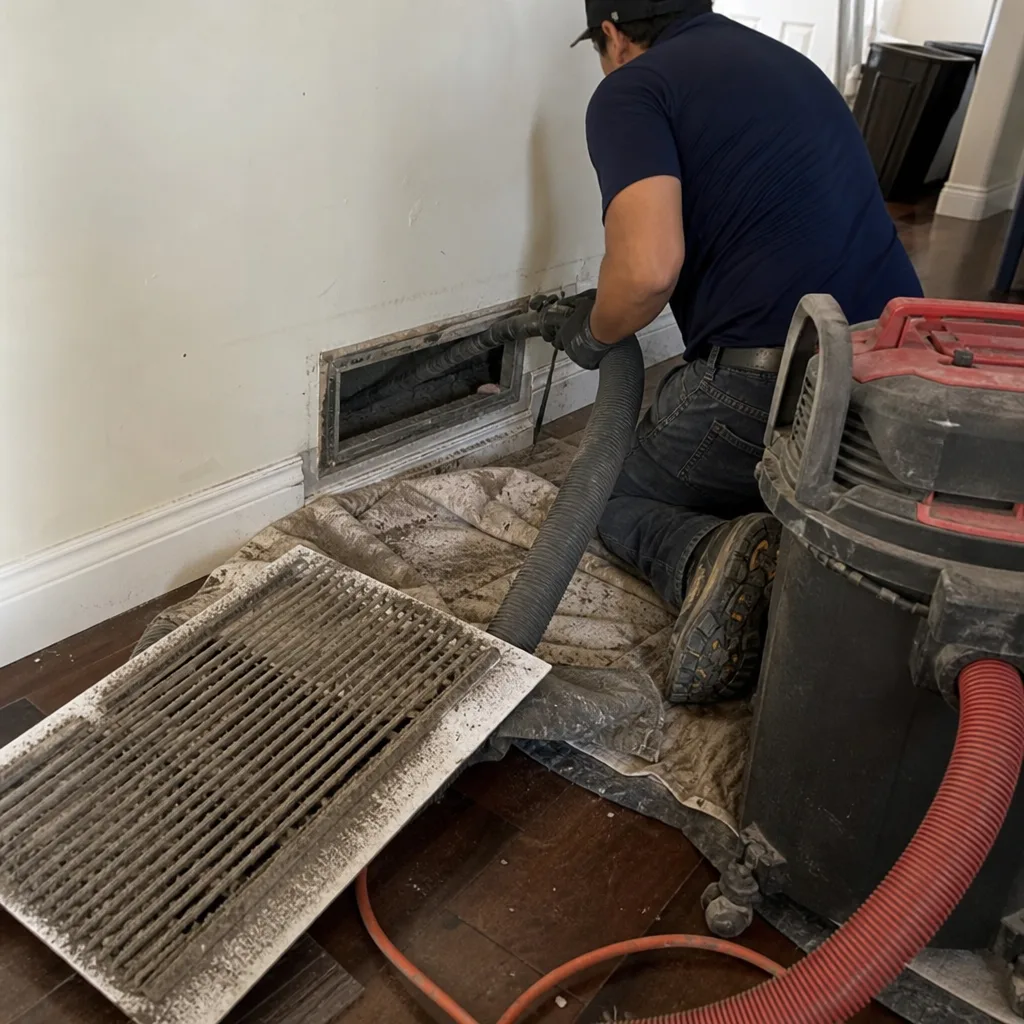 Before
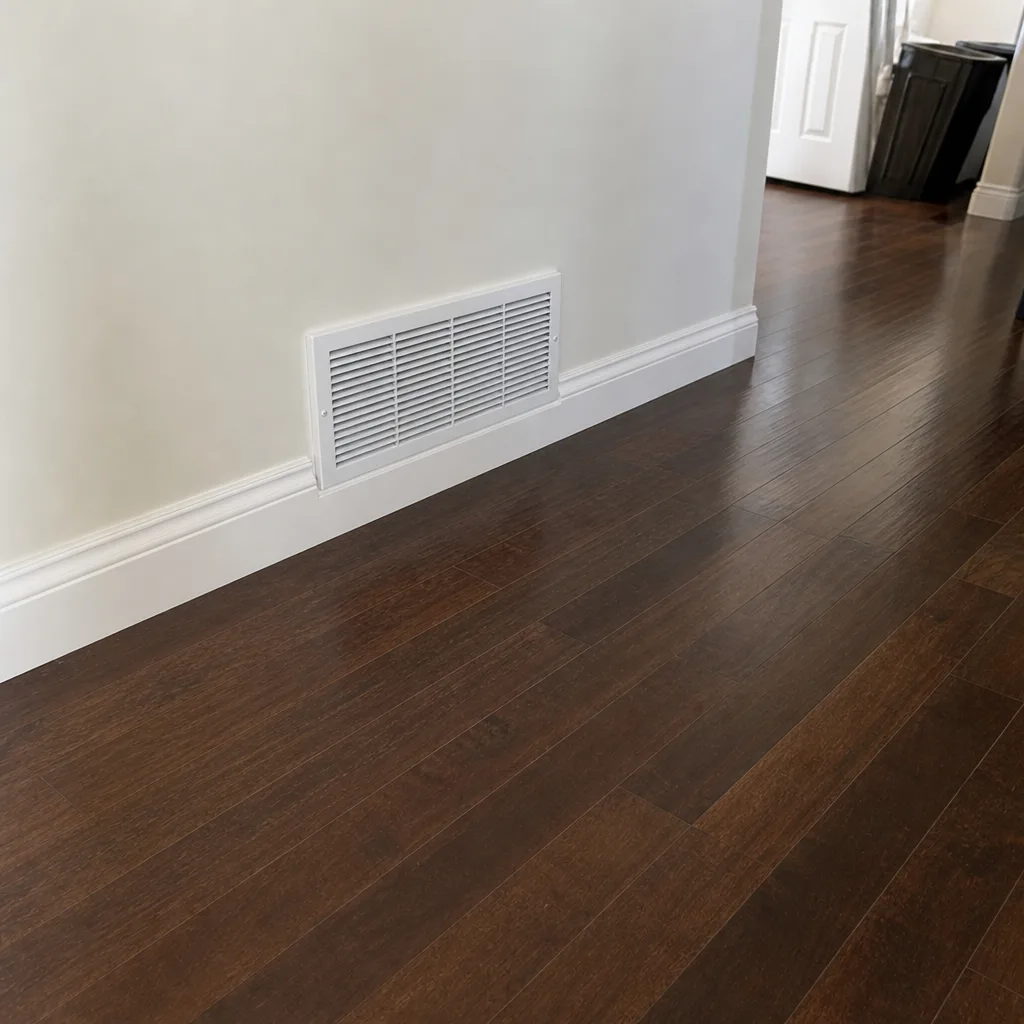 After
 Before
 After
 Before
 After
Frequently Asked Questions
Every two to four years for most Fountain Valley homes, and every three to five years is the general industry range. Systems that run nearly year-round with windows closed, homes with pets, and homes that have been remodeled should lean toward the shorter interval. The right answer depends on your documented register and filter log, which is why keeping one is worth the effort.
No. A consumer vacuum removes surface dust at the register but doesn’t agitate the film bonded to the duct wall, and it doesn’t create the negative-air containment that keeps loosened debris out of your living space. Rotobrush and Nikro equipment physically brushes the duct interior while a high-volume vacuum extracts the debris at the trunk. The result isn’t comparable.
Low quotes usually cover a vacuum pass at the registers with no mechanical agitation, no HEPA containment, and no look at the blower or coil. That work can leave a system looking cleaner without changing the conditions inside the duct. The honest comparison is scope, not price: what’s being cleaned, how, with what equipment, and whether sealing is included or extra. Call (855) 658-3999 for a free estimate.
Before-and-after photos taken from the same angle inside your own ducts, plus the service record of what equipment was used and what was cleaned. Ask for the photos before the work starts, not after. We provide both as part of every job, because a documented result is the only way to know.
Yes, if a flex joint or register boot inspection shows separation. Cleaning without sealing does nothing about the leak path that pulled attic dust into the system in the first place. Duct repair and sealing is a separate service we handle as its own scoped job, and on many systems it’s the step that makes the cleaning result last. If you’d rather start with a conversation, visit Fountain Valley Air Duct Cleaning.
Yes, at the joints. Thermal cycling expands and contracts the ducts and the materials around them, and the first weeks of a new mode are when old tape lifts and mastic cracks. The transition is the highest-value time to schedule an inspection, because you’re catching the joint separation before the next cooling season pulls dust through it.
The Bottom Line
Filter changes are the visible maintenance task, but they aren’t what keeps a duct system clean. The checkpoints that matter are at the blower, the coil, the register boots, and the flex joints, and most of them can be inspected without opening a duct. Run the monthly ten-minute check, do the quarterly register walk with photos, schedule a transition inspection when the seasons flip, and keep the log. Pair professional cleaning with sealing whenever a joint shows separation, and you won’t pay twice for the same problem. Faulty flex connections in Fountain Valley homes are usually the reason a cleaning seems to fade faster than it should, and a visual inspection will tell you before you spend the money.
Call (855) 658-3999 for a free estimate. We answer 24/7. Fast dispatch from 7am to 7pm, Sunday through Friday. Every job is one flat price per system agreed before work starts, with before-and-after photos and a satisfaction guarantee.
Written by the team at Fountain Valley Air Duct Cleaning.